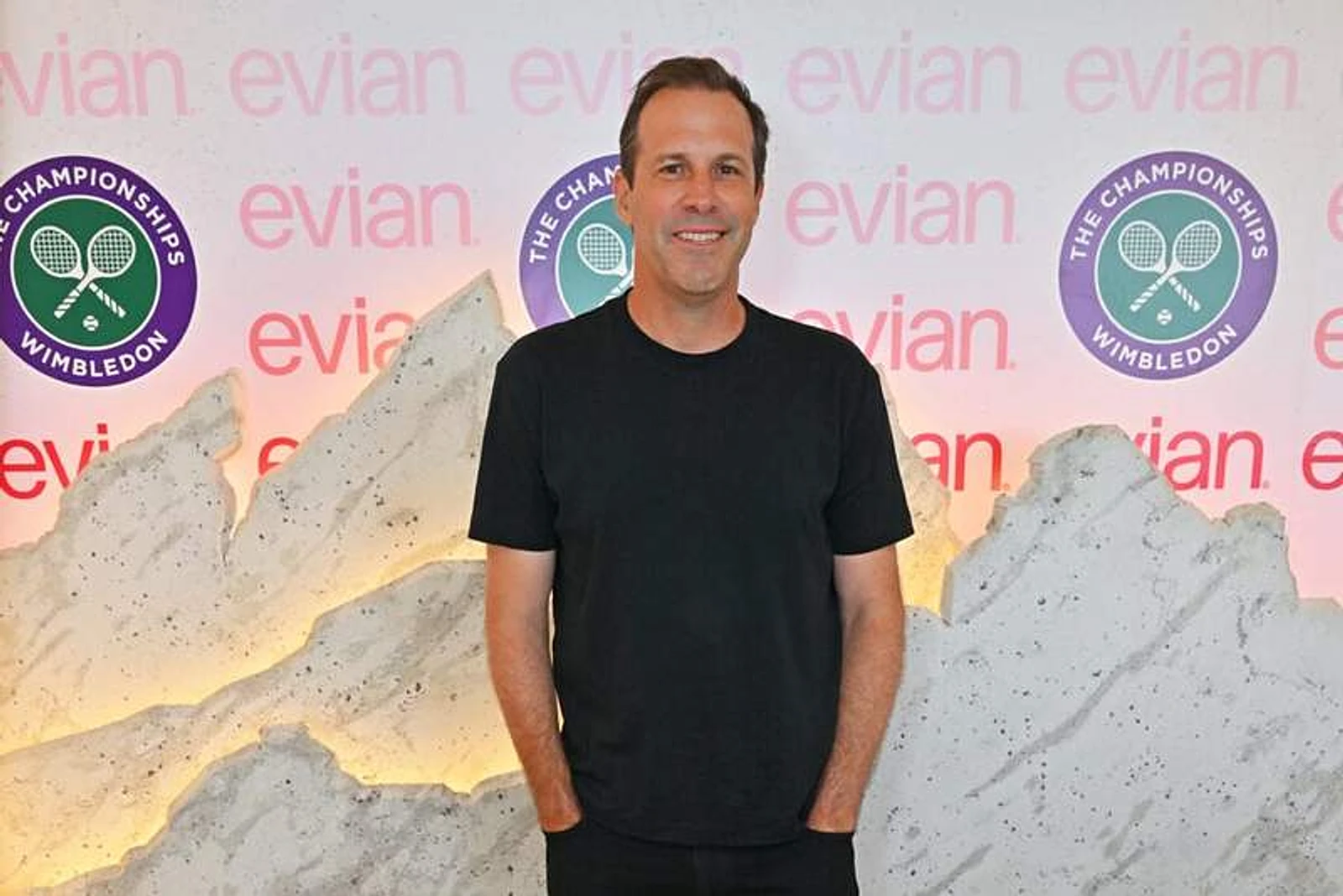
Greg Rusedski has poured cold water on the idea of a Grand Slam boycott, despite growing tensions over prize money distribution in professional tennis.
World No. 1 Aryna Sabalenka has been vocal about players potentially pulling out of major tournaments, frustrated by what she sees as an unfair revenue split. Roland Garros recently announced a 10 per cent increase to its overall prize purse, bringing it to £53.5 million, with an additional £4.6 million slated for next year. But that hasn't silenced the critics.
Both Sabalenka and men's world No. 1 Jannik Sinner have raised concerns that players' share of tournament revenue is actually shrinking. A statement from players on Monday highlighted that their portion of revenue at Roland Garros has dropped from 15.5 per cent to a projected 14.9 per cent by 2026.
But Rusedski, speaking on Amazon Prime Video, isn't convinced a boycott is realistic. "I think when we're talking about player strike, I don't see it happening at a major for a little while," he said. "I think it's a negotiation tool."
The former British No. 1 acknowledged the players' frustrations, noting that Sinner and others have sent letters to tournament organizers without receiving a reply. "This has been going on for many, many years now," Rusedski added.
However, he pointed out that prize money has come a long way. "Prize money for getting in the four majors now is nearly $400,000. That's a 10-to-1 ratio from my last year on tour," he said. "So, prize money has gone up. Yes, I understand wanting more of a split."
Rusedski also laid out the logistical challenge of a successful boycott. "The only way this strike is going to work is if you get the top 100 men, top 100 women, they all come together on the deadline when they're supposed to enter, and they all pull out. It can't just be the top 10 or the top five or one player here, one player there."
He referenced the 1973 Wimbledon boycott, which saw several players withdraw over similar disputes. "That was the year Roger Taylor got to the semifinals of Wimbledon as a Brit trying to win the championship. So we've had these situations before."
Ultimately, Rusedski believes the current noise is more about leverage than action. "Yes, they'd like to get more revenue. Yes, I understand their point of view. And I can really think, yeah, why not try to get as much as you can? But I don't see it happening at the moment."
For now, tennis fans can breathe easy—the Grand Slams look set to go ahead as planned, even if the debate over prize money is far from over.