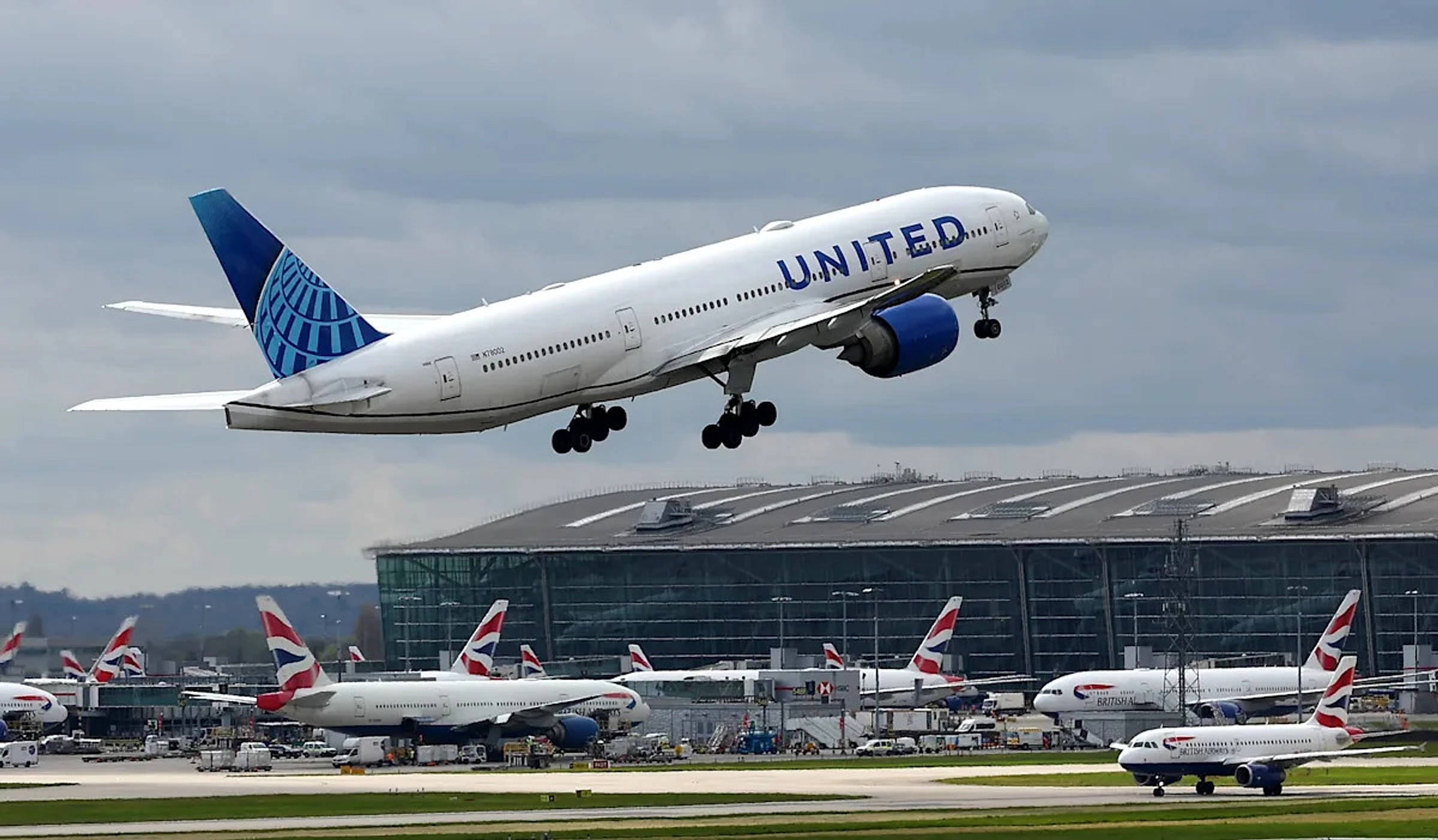
Ever had a travel experience so frustrating it felt like a fourth-quarter collapse? A recent cross-country trip with United Airlines provided a masterclass in poor service—and an unexpected lesson for the New York Jets as they look toward the 2026 NFL Draft. Just as a botched flight plan can strand passengers, a flawed team-building strategy can leave a franchise grounded for years.
It started with a simple upgrade. Snagging a last-minute First Class ticket seemed like a smart move, much like a team trading up for a blue-chip prospect. But the promised perks—like free checked bags—didn't materialize as expected. The refund for a pre-paid baggage fee never came, a small but telling oversight. In the NFL, failing to capitalize on an asset, whether it's a draft pick or a salary cap saving, is a missed opportunity that can haunt a roster.
The real turbulence hit with a 12-hour flight cancellation late at night. Stranded and seeking help, the automated "Agent on Demand" chat service felt less like a solution and more like a hollow play call. It’s a stark reminder that when pressure mounts, relying on impersonal systems over genuine support fails every time.
For the Jets, the parallel is clear. Building a contender isn't just about acquiring talent; it's about seamless execution and adapting when plans go awry. A draft class is more than names on a card—it's about integrating those players, managing resources, and having a contingency plan. A front office that’s unresponsive to problems, much like an airline's botched customer service, will lose the confidence of its fans and players. As the 2026 draft approaches, the Jets must ensure their organizational infrastructure is first-class, because no franchise can afford to be left on the tarmac while others take off.