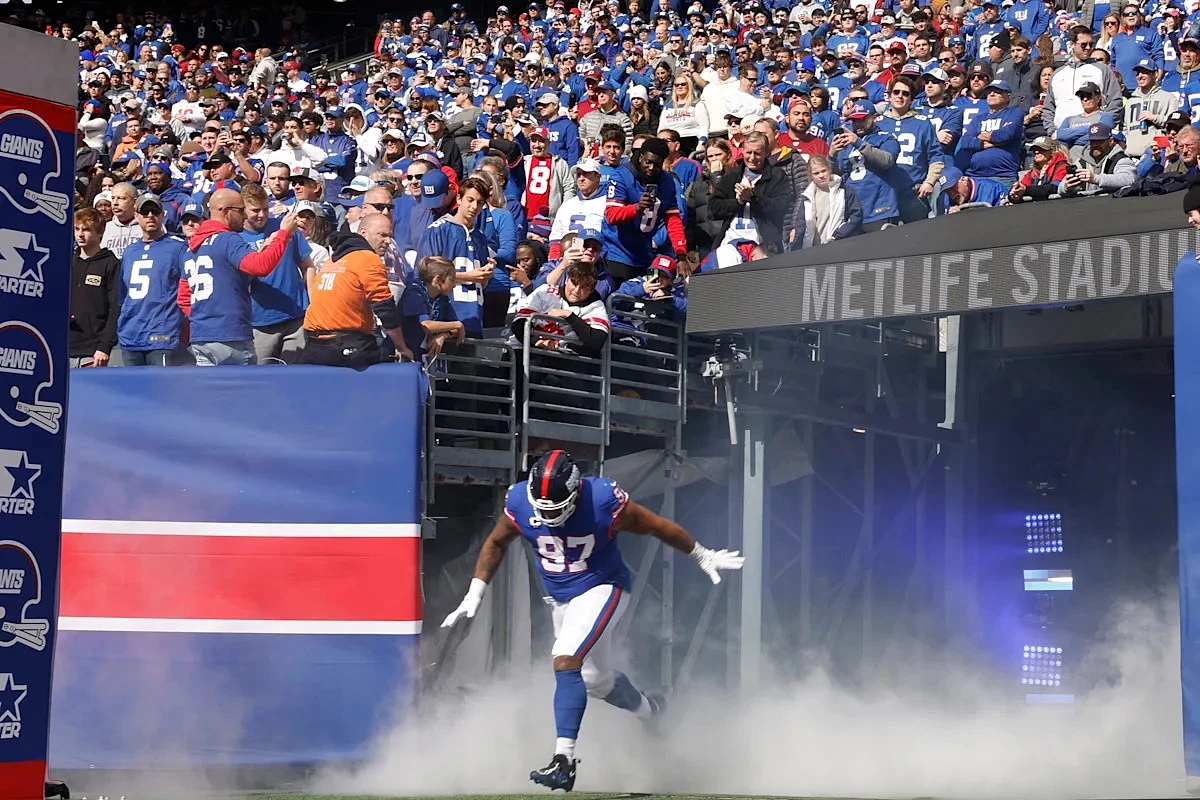
The New York Giants made a headline-grabbing move this weekend, trading three-time Pro Bowl nose tackle Dexter Lawrence to the Cincinnati Bengals. In return, Big Blue secured the No. 10 overall pick in the 2026 NFL Draft, a significant piece of future capital.
The trade emerged as contract extension talks between Lawrence and the Giants stalled. By moving the 28-year-old defensive anchor, New York sheds his hefty $20 million salary for 2026 while acquiring a premium draft asset to rebuild its roster.
So, who won the deal? ESPN analyst Seth Walder handed out his grades, and the disparity was stark. He awarded the Giants a resounding "A" for their strategic maneuvering, while the Bengals received a "D" for the steep price paid.
From the Giants' perspective, this outcome is a front-office coup. While it's tough to part with a homegrown star who has been a cornerstone of the defensive line, the logic is sound. Securing a top-10 pick for a player entering his late twenties with a looming massive contract is exceptional value. That pick represents a chance to inject young, cost-controlled, star-level talent into the lineup for years to come, all while freeing up critical salary cap space.
For the Bengals, the calculus is different. They acquire a proven, disruptive force to immediately bolster their defensive front, a clear "win-now" move. However, surrendering such a high future draft selection for a player with a significant financial commitment is a major gamble, which explains the lower grade from analysts.
Ultimately, this trade highlights a classic NFL roster-building dilemma: the balance between competing now and planning for the future. The Giants, opting for flexibility and future assets, are widely seen as the clear victors in this particular exchange. Losing a player of Lawrence's caliber always hurts, but the pain is lessened when a trade partner offers a king's ransom in return.