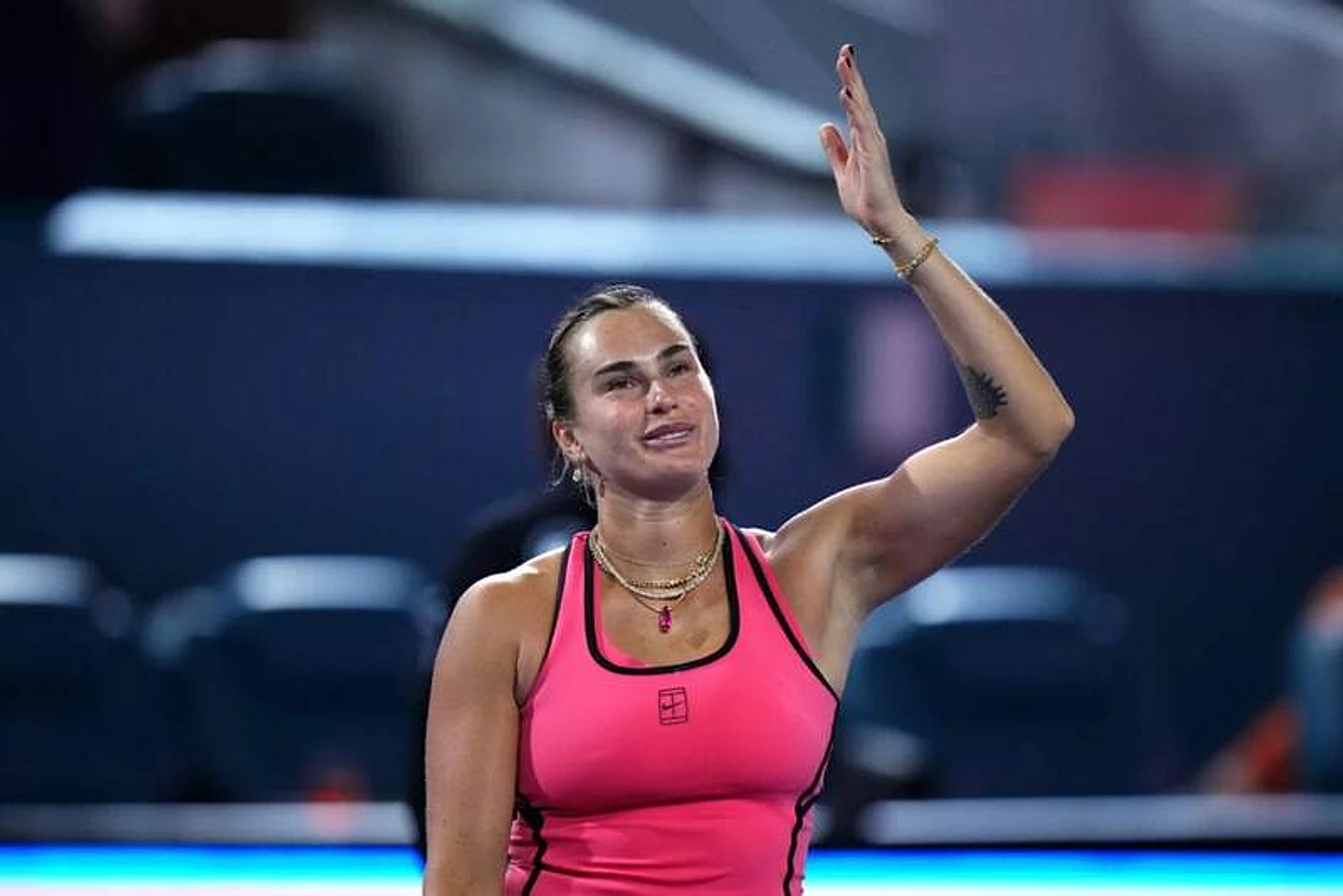
The tennis world is buzzing with excitement for the upcoming French Open, but a storm cloud has rolled in over Roland Garros. Talk of player boycotts is threatening to overshadow the clay-court spectacle, and the conversation is getting louder by the day.
It all started when world No. 1 Aryna Sabalenka floated the idea of top players skipping Grand Slams entirely, citing an unequal split of revenue as a major sticking point. She's not alone—Elena Rybakina has already said she'd back a boycott, and ATP No. 1 Jannik Sinner has voiced frustrations that Grand Slams don't give players enough respect. The message is clear: the sport's biggest stars want a bigger slice of the pie.
But not everyone thinks a boycott would actually work. Former French Open director Guy Forget has cast doubt on the idea, and now retired American star Sam Querrey has stepped into the ring with some hard-hitting perspective. Speaking on the Nothing Major Show, Querrey didn't mince words: "It's an embarrassing number—giving 14.9% of revenue as prize money."
His real point, though, was about strategy. "The bottom line is that if the players aren't all aligned together, nothing is going to happen," Querrey explained. "They have to get every player from 1 to 200, and they all have to get on the same page. They have to say, 'We're not going to play Roland Garros'—or whatever tournament—if they want to see change."
Querrey's logic is tough to argue with. For any meaningful shift in prize money distribution, widespread unity would be essential. But here's the rub: with the French Open just around the corner, there's precious little time left for players to organize something on that scale. And while the total prize money at Grand Slams is undeniably massive, the percentages tell a different story.
Take a look at the numbers: The French Open just announced a 9.8% increase in its prize fund, bringing the total to €61.7 million ($72.1 million). The Australian Open set a new record with AUD $111.5 million ($74.9 million)—a nearly 16% jump from last year. Wimbledon raised its purse by 7% to £53.5 million ($72.7 million), and the 2025 US Open offered $90 million, a 20% increase. Impressive figures, no doubt.
But for the top players, it's not about the raw totals—it's about securing a larger percentage of the revenue these events generate. They're also pushing for better benefit contributions and more influence over how the sport is run. As the French Open approaches, all eyes will be on whether the players can find common ground—or if this is just a pre-tournament storm that will blow over.