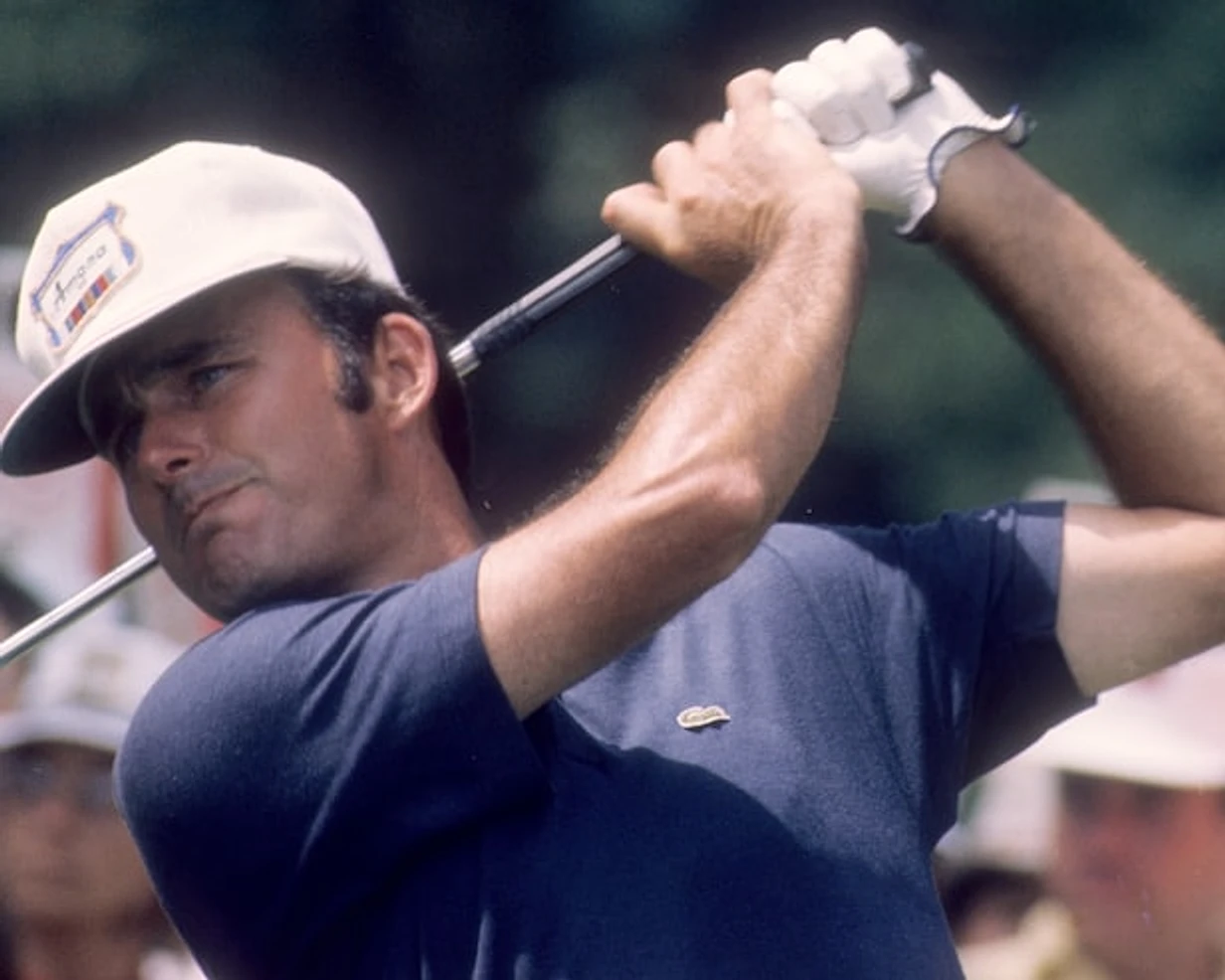
Lou Graham, the steady-handed golfer who outlasted John Mahaffey in a dramatic playoff to win the 1975 U.S. Open at Medinah Country Club, has passed away at the age of 88. He died Monday while in hospice care, leaving behind a legacy defined by patience, precision, and a quiet determination that earned him six PGA Tour victories.
Graham’s game was never flashy, but it was effective. In an era before players could swap out clubs like trading cards—long before equipment trucks followed the Tour from week to week—Graham made do with what he had. Sometimes, for far too long.
Take 1979, for instance. After a slump that followed his U.S. Open triumph, Graham caught fire, winning three tournaments in just 11 weeks. His secret? New clubs. He sheepishly admitted that the set he’d been using for 17 years was practically worn out. "The 9-iron was so worn that the bottom scoring line wasn’t there anymore," he told Golf Digest after being named Comeback Player of the Year. "No matter how good an iron shot I hit, I couldn’t get the ball close to the hole."
That three-win burst in ’79 was the final highlight of a career that saw the Tennessee native represent the United States on three consecutive Ryder Cup teams in the mid-1970s. It was a fitting cap for a player who built his reputation on reliability rather than risk.
Born in Nashville in 1938, Graham played college golf at Memphis State before serving in the U.S. Army, where he was an honor guard at the Tomb of the Unknown Soldier and played on the Army golf team. He turned pro and joined the PGA Tour in 1964, but it took three years to notch his first win at Hazeltine National in the Minnesota Golf Classic. Five more years passed before his second victory came at the Liggett Myers Open in Cary, North Carolina.
The gaps between wins might have been partly due to Graham’s famously conservative approach. "He’s absolutely colorless," one tour source told the New York Times. "He never gambles for birdies. Always goes for the fat part of the green, where it’s safer." That plodding style, however, was a huge asset in the pressure cooker of a U.S. Open playoff—especially in 1975, when Graham’s safe, steady hand guided him to one of the sport’s most coveted titles.
For fans of classic golf and timeless style, Graham’s career is a reminder that sometimes the best play is the safe one. And that even the most worn-out equipment can’t hold back a champion’s heart.