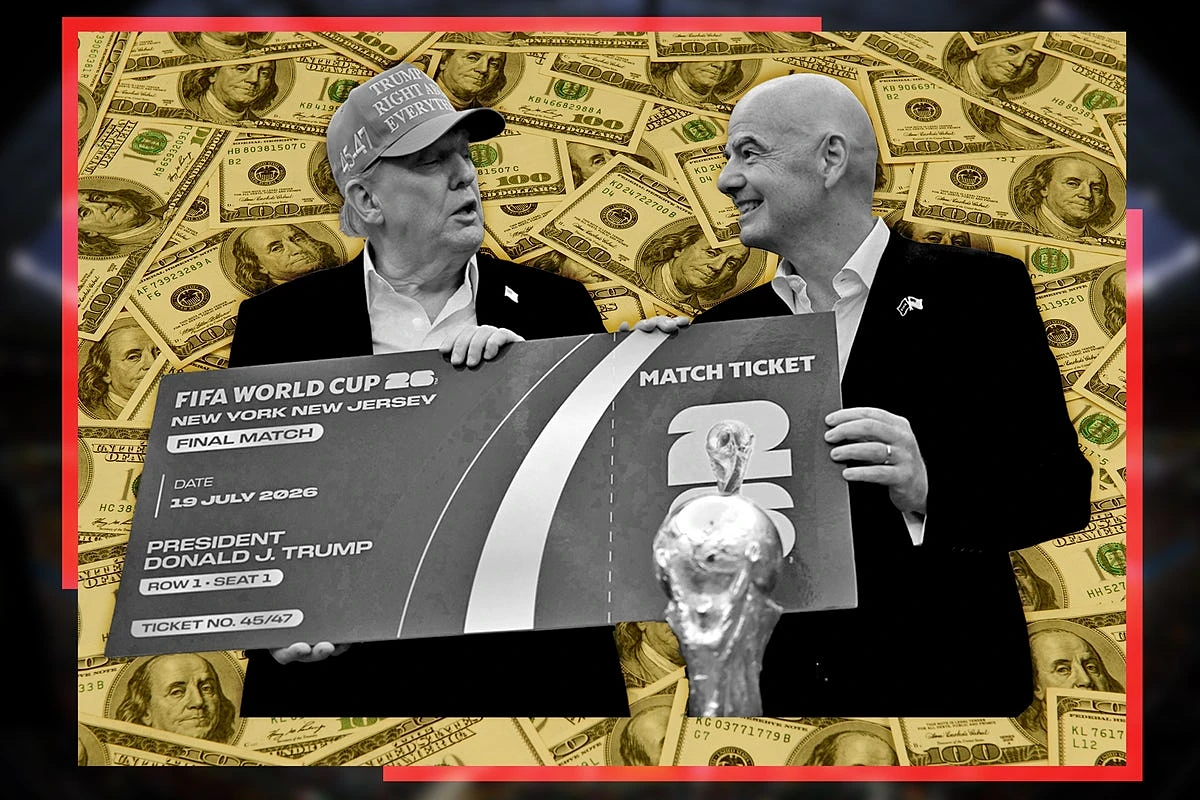
The 2026 World Cup was supposed to be a celebration of football's global reach, but for many fans, it's shaping up to be the most expensive tournament in history—and a painful lesson in how commercialization can drain the joy out of the beautiful game.
Behind the scenes, senior FIFA figures under Gianni Infantino are reportedly "very nervous." Despite bold claims of 500 million ticket requests, actual sales are falling far short of expectations. The reason? Simple economics. Loyal fans are facing life-changing costs to follow their teams.
According to the Football Supporters Association and former Liverpool CEO Peter Moore, following your team through the entire tournament could set you back anywhere from $10,000 to $35,000. Even home supporters feel the pinch. Reports indicate sluggish sales for the USA's opening match in Los Angeles—a city known for its deep pockets and love of major events.
One insider put it bluntly: "FIFA overplayed their hand and got the pricing wrong."
Even Donald Trump weighed in, saying he "wouldn't pay it" and expressing disappointment that everyday Americans might be priced out. That must have stung for Infantino, who has championed the idea that the U.S. market's willingness to pay premium prices for entertainment justifies the sky-high costs.
This tension highlights a deeper schism in the sport's future. On one side is the European model, which treats football as a cultural good—something for the community. On the other is the U.S. consumer model, where sport is just another commodity. FIFA, officially a non-profit charity tasked with safeguarding the game, has overwhelmingly chosen the latter.
The ticket pricing alone is staggering. Some final tickets on FIFA's resale site are listed for over $1 million. But the real pain comes from knowing everything else—travel, accommodation, food—will cost a fortune too. Even qualified teams are worried about losing money due to expenses.
FIFA couldn't have been unaware of these burdens, yet they've loaded costs on anyway. For fans who dream of experiencing the World Cup in person, the message is clear: bring your wallet—and leave your joy at the door.