For the first time since the Division I split in 1978, not a single FCS player was selected in the first three rounds of the NFL Draft.
Overall, only four players were selected directly from the FCS level and none from Division II, Division III or NAIA levels. Ten years ago, 20 players were selected from the FCS. Times are changing quickly as small colleges struggle to keep up with the financial behemoths continuously plucking away top talent.
"It was expected, you know?" Southeastern Louisiana coach Frank Scelfo said. "The best players are getting money and signed, basically recruited right out of FCS ball… they see the dollar signs, and they're jumping."
While NIL and the transfer portal have become significant issues at the Power Four level, their effects are perhaps felt even more deeply at lower levels of college football. Any players with pro-level talent are scouted and plucked right off rosters by FBS schools with massive scouting and roster-building operations. In some cases, players at the Power Four level are matching the size of entire football budgets at small schools.
Five players selected in the first three rounds started their careers at FCS or Division II schools, but none finished there. Cincinnati linebacker Jake Golday started at Central Arkansas, but Cincinnati came calling. Keagan Troast bounced all the way up from Morgan State to Missouri. And of course, Curt Cignetti helped take Kaelon Black and D'Angelo Ponds from James Madison to Indiana.
Eleven additional players with small-college roots were selected on Day 3, bringing the total to 16. When the dust settled, 239 of the 257 NFL Draft picks came from the power conference level. That consolidation is transforming player acquisition and roster management across the sport.
Identifying and developing professional-caliber players is no longer a recipe for success. Instead, it just buys time until the next churn.
"It's kind of the times that we live in now," Montana Tech coach Kyle Samson said. "It's getting harder to keep those really good players at our level. Three, four years ago, I felt differently than I do today in terms of being frustrated. When you look at the way college sports are these days, I think you've just gotta accept that it's part of the deal."
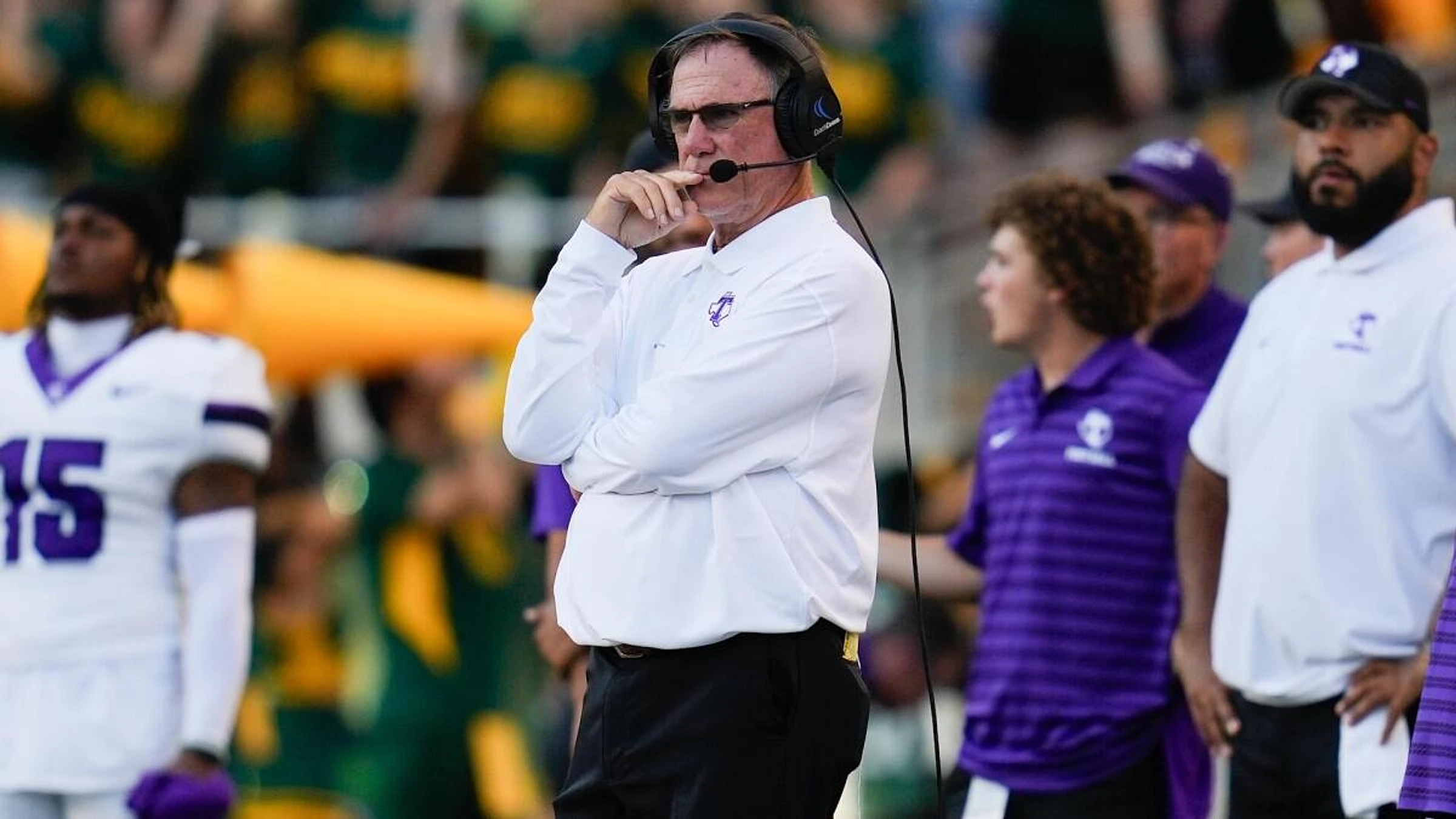
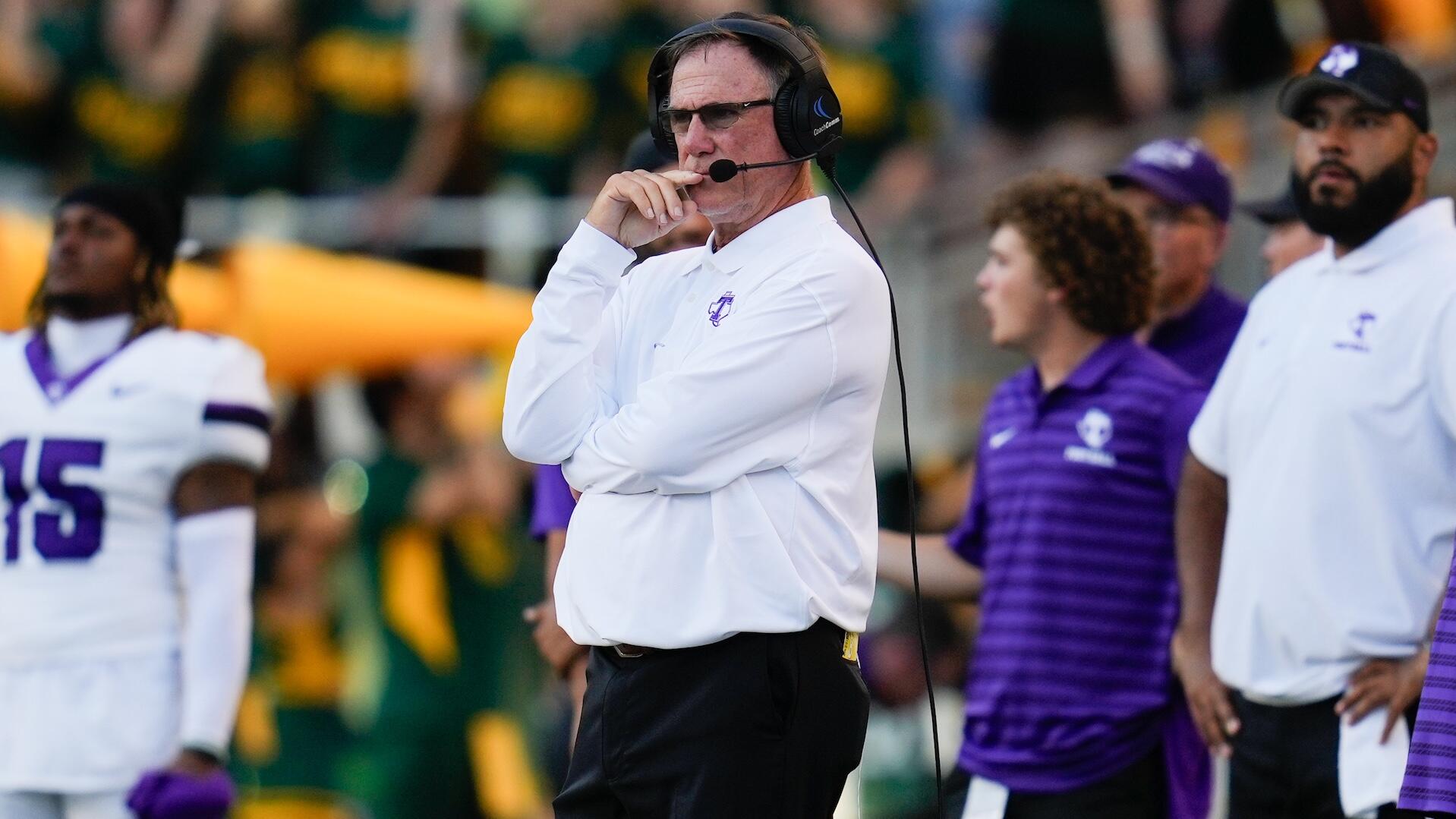
Tarleton State coach Todd Whitten has seen it all during three stints with the Texans. He helped take the program to Division II in 2000 and returned in 2016. Four years later, Tarleton State opted to make the jump to FCS. With transfer rules changing, Whitten looked to the changing landscape.
With the transition to Division I approaching, Whitten huddled with his staff and made it clear: "We're embracing the new world, or we'll get left behind." After building sizable high school classes for most of his career, Whitten has leaned heavily into portal combat.
"We sort of take the approach where we have to put together a new team every year," Whitten said. "Now, we do have a good many holdovers, but you're going to have to go out and find guys that you can plug in and play and win with. Things are different. It's not like those days when you sign 25 freshmen every year and kind of grew everybody up. I think those days are gone."
Two of Tarleton State's best players -- wide receiver Cody Jackson and offensive lineman Braden Smith -- landed at Iowa State in the portal. In response, the Texans pulled together the nation's No. 1 portal class. There are additions from the Power Four (Arizona), Group of Six (Wyoming), FCS (Western Carolina), Division II (East Central) and Division III (Mount Union). No stone is left unturned.
Like other peer programs, Whitten is not shy about selling the opportunity to get on the field and put together good film. Opportunity can help lead to a big payday down the road, even if it means leaving Tarleton State. There's simply no reason to avoid the elephant in the room.
"We're very open about that," Whitten said. "I think it's just better when you're kind of open and honest. It gets rid of all of these difficult conversations. I've found this way works best for us."
Successful programs at the FCS level often have some NIL to share with players. Whitten uses it primarily as a retention tool, but it can also be a draw for players moving up from the sub-Division I level.
With few exceptions, Division II and NAIA players aren't receiving serious NIL consideration. But even without money factoring in, coaches recognize the prestige gap of playing Division I football. As FCS players get poached by the FBS, they turn and do the same to other lower levels.
"We've lost probably five or six kids over the last few years that were really good players for us," Samson said. "A lot of them have gone to the FCS level, which is natural, right? If the Division I schools are pulling from the FCS, the FCS is gonna go and try to find the best D-II or NAIA school players to come play for them too."
Despite all the changes, great football and outstanding coaching continue to stand apart. Division II Ferris State lost multiple players to the FBS ranks after a national title season in 2024, including quarterback Trinidad Chambliss. They went on to win the national title anyway. A year later, Michigan State poached replacement quarterback Carson Gulker. Undoubtedly, they'll still find a way.
Those in the FCS aren't the only ones wrestling with the NFL Draft data and what it says about roster building. The numbers for the Group of Six were just as eye-opening and concerning as the Group of Six teams attempted to fend off poachers from the Power Four.
Only 14 players were drafted from the Group of Six this year. That's down from 19 in 2025 and 38 a decade ago. The numbers are so damning that one Group of Six general manager messaged CBS Sports with some consternation about sharing the draft data on social media.