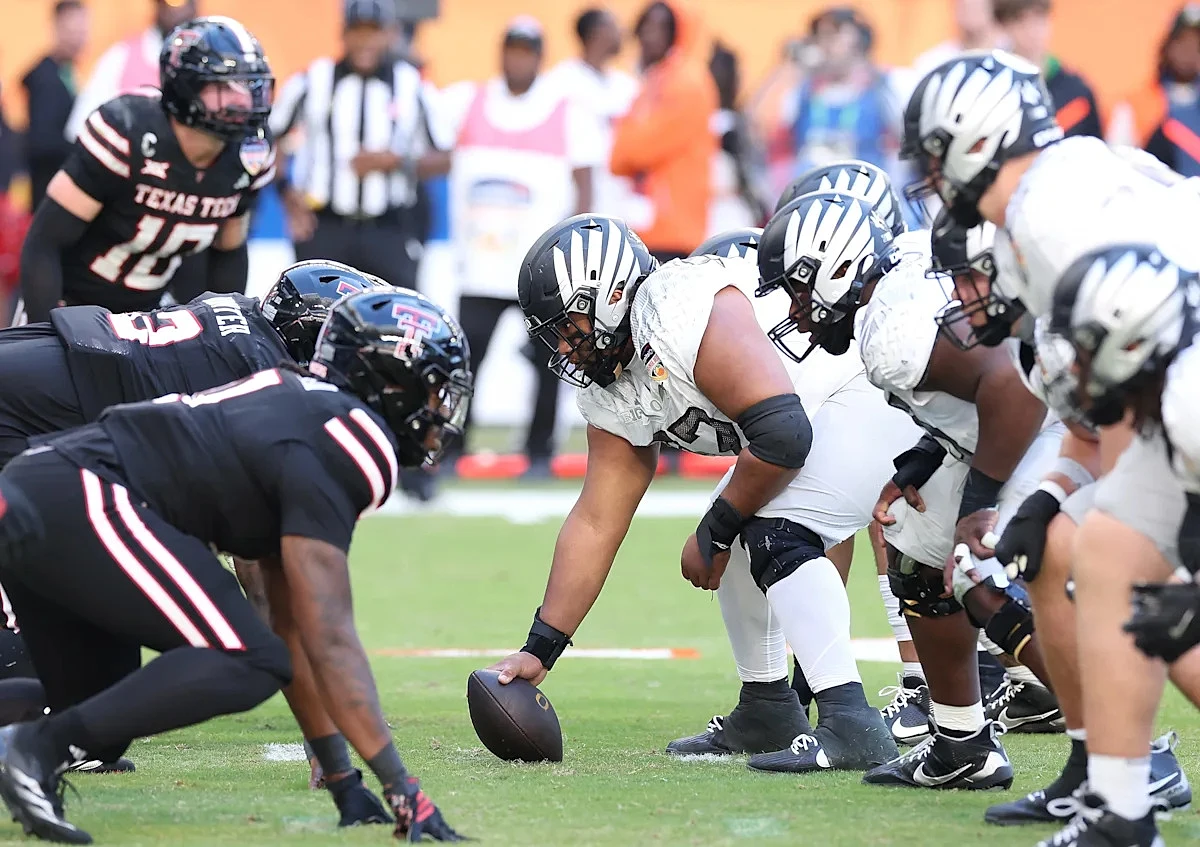
Just a few years ago, the idea of a $20 million college football roster seemed like a staggering figure, a potential price tag for assembling a national championship contender. That number quickly doubled to $40 million in public speculation. Now, the conversation has escalated dramatically, with industry insiders beginning to whisper about the possibility of a $100 million roster. The landscape is shifting at a breakneck pace, fueled by the transformative forces of NIL and revenue sharing.
While we haven't crossed that nine-figure threshold yet, the trajectory is clear. Experts like On3's Josh Pate suggest multiple programs are already fielding rosters valued at around $60 million this season. The consensus among many in the know is that the first $100 million squad is not a matter of "if," but "when." This isn't just fan speculation; it's a reality discussed in athletic department war rooms.
Alabama Crimson Tide General Manager Courtney Morgan recently pulled back the curtain, stating that many top programs are likely spending well over $40 million this year to construct their teams. "You kind of do the math in your own head about what other schools and competition are doing," Morgan said. "It's probably more than $40 million, but you will never know." This comment underscores the secretive, high-stakes financial competition now defining the sport.
College football has entered a new era of financial arms racing. For decades, schools competed through lavish facilities—state-of-the-art weight rooms and palatial locker rooms. Today, the battlefield is the NIL marketplace. Direct financial investment in players has become the most critical tool for recruiting and roster construction, fundamentally changing how teams are built.
So, while $40 million rosters are the talk of the 2024 season, that benchmark will soon be obsolete. The climb to $50 million, $60 million, and beyond is already underway. The question is no longer about the feasibility of a $100 million team, but rather which powerhouse program will be the first to officially cross that historic line and what that will mean for the competitive balance of the sport.