
This summer’s World Cup faces a significant threat from extreme heat, potentially endangering athletes, fans, workers, and officials.
With matches scheduled for June and July across 16 different cities in the United States, Canada and Mexico, concerns are mounting over the impact of rising global temperatures.
Research indicates that wet bulb globe temperatures, which account for humidity, wind speed, and sun angle, could surpass 32°C (90°F) in the afternoons in cities such as Dallas and Houston in Texas, and Monterrey, Mexico.
Donal Mullan, a senior lecturer at Queen’s University Belfast, who led a paper examining heat risks for the host cities, highlighted the widespread danger.
"Almost all of the host locations, 14 out of 16 of them, experience levels of extreme heat, which could be potentially dangerous to players, match officials and possibly spectators," he stated, noting that some fully covered stadiums offer a degree of protection.
Exposure to intense heat, particularly during physical exertion, can lead to severe health issues including nausea, dehydration, headaches, and heatstroke, with fatal outcomes in extreme cases.
These worries were amplified in March by record-breaking temperatures across large parts of the US Scientists have consistently warned that staging major football tournaments during summer months is becoming increasingly perilous due to global warming, driven by the burning of fossil fuels.
The precedent for such concerns is clear: the 2022 World Cup in Qatar was moved from summer to winter to mitigate heat risks.
More recently, last year’s Club World Cup experienced a heatwave with temperatures soaring above 32°C (90°F) in many areas, prompting the global union for football players to warn that extreme heat would likely pose an even greater challenge at the next two men’s World Cups, including the 2030 tournament co-hosted by Spain, Portugal and Morocco.
In response, host cities, stadiums, and Fifa, football’s global governing body, are implementing comprehensive measures to safeguard participants and spectators.
These include conducting thorough heat risk assessments, enhancing shade provision, establishing cooling zones, ensuring ample water access, and deploying medical teams during events.
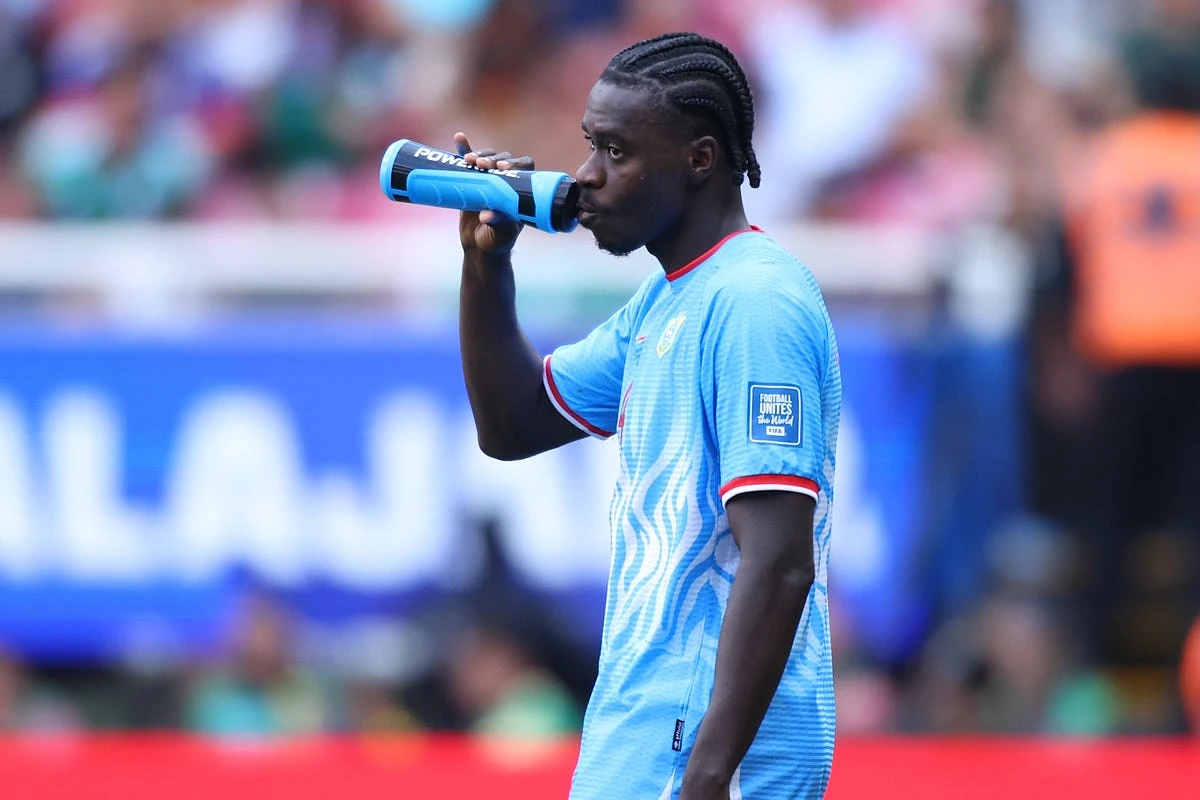
Specific plans are being finalised to protect athletes and FIFA personnel. Players will receive mandatory three-minute hydration breaks midway through each half, irrespective of weather conditions.
Teams will also be permitted up to five substitutions, with a minimum of three rest days between matches.
Staff and substitutes will benefit from climate-controlled benches at outdoor venues, and match schedules have been carefully adjusted to account for climatic factors.
Fifa confirmed: "Outdoor matches during the hottest parts of the day have been strategically limited, kick-off times adjusted in certain markets, and matches expected in warmer windows prioritized for covered stadiums where possible."
Furthermore, Fifa has established a Heat Illness Mitigation and Management Task Force, comprising medical and operational experts. This task force is currently finalising heat-risk alert systems, coordinating stadium medical action plans, and developing other standardised guidance.
Public safety is also a key focus, with officials prepared to monitor weather conditions and activate extreme heat plans if temperatures become dangerously high.
Such plans involve disseminating public safety messages on heat protection and recognising symptoms of heat exhaustion and stroke.
For instance, if Environment and Climate Change Canada issues a heat warning, Vancouver plans to install additional temporary drinking fountains, handwashing, and misting stations, complementing its multi-language heat awareness campaign. Volunteers along tournament routes will also provide heat safety information.
In Los Angeles County, the Department of Public Health will distribute heat safety and hydration information and launch a public heat dashboard with near-real-time data on heat-related emergency room visits.