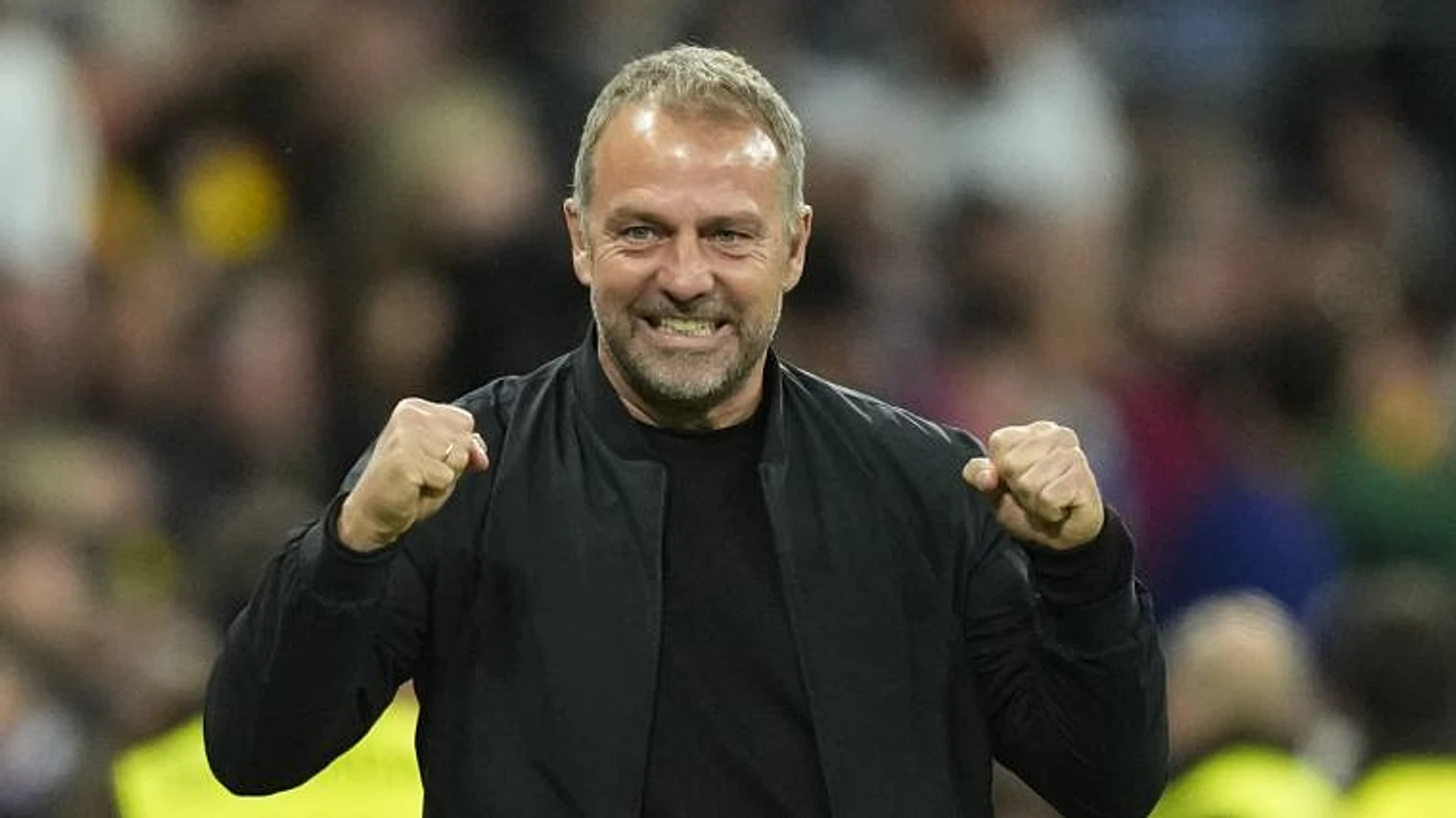
When Hansi Flick took the reins at Barcelona in the summer of 2024, few could have predicted the immediate impact he would have on the club's domestic fortunes. Now, with back-to-back La Liga titles secured—the latest sealed with a commanding El Clásico victory—the German manager has transformed the Blaugrana into a formidable force in Spanish football. Yet, his tenure is a tale of two fronts: domestic glory versus European growing pains.
At 61 years old, Flick stands out in Barcelona's managerial history. Unlike many of his predecessors, he carries no Catalan heritage, no Spanish roots, and no playing days at Camp Nou. He conducts press conferences in English rather than fluent Spanish, a departure from the norm at a club that often values cultural and linguistic connection. This unique profile, however, hasn't hindered his ability to deliver silverware. In just two seasons, Flick has collected two La Liga titles, a Copa del Rey, and two Supercopa de España trophies, re-establishing Barcelona as the team to beat in Spain.
The secret to this domestic dominance lies in Flick's tactical philosophy—a high-intensity, pressing system that has revitalized the squad. His methods are almost unique in modern football, blending German efficiency with Barcelona's traditional flair. On the pitch, this translates to relentless energy, quick transitions, and a clinical edge in front of goal. The Blaugrana have steamrolled La Liga rivals, with their Clásico performances under Flick being particularly emphatic.
However, the narrative becomes more complicated when the focus shifts to Europe. Barcelona's Champions League campaigns under Flick have been a source of frustration. In the 2024/25 season, they topped the league phase but were eliminated in a heartbreaking semifinal against Inter Milan, losing 7-6 on aggregate in a second leg that was nothing short of chaotic. The sting was amplified when Inter were subsequently dismantled by Paris Saint-Germain in the final, leaving fans to wonder what might have been.
This dichotomy—domestic excellence versus European disappointment—defines Flick's legacy at Barcelona so far. His ability to win almost everything available in Spanish football is undeniable, yet the club's struggles on the continent raise questions about whether his tactics can translate to the highest level. For now, as Barcelona celebrates another La Liga crown, the debate continues: Is Flick a genius or a work in progress? The answer, much like his tactics, is wonderfully complicated.