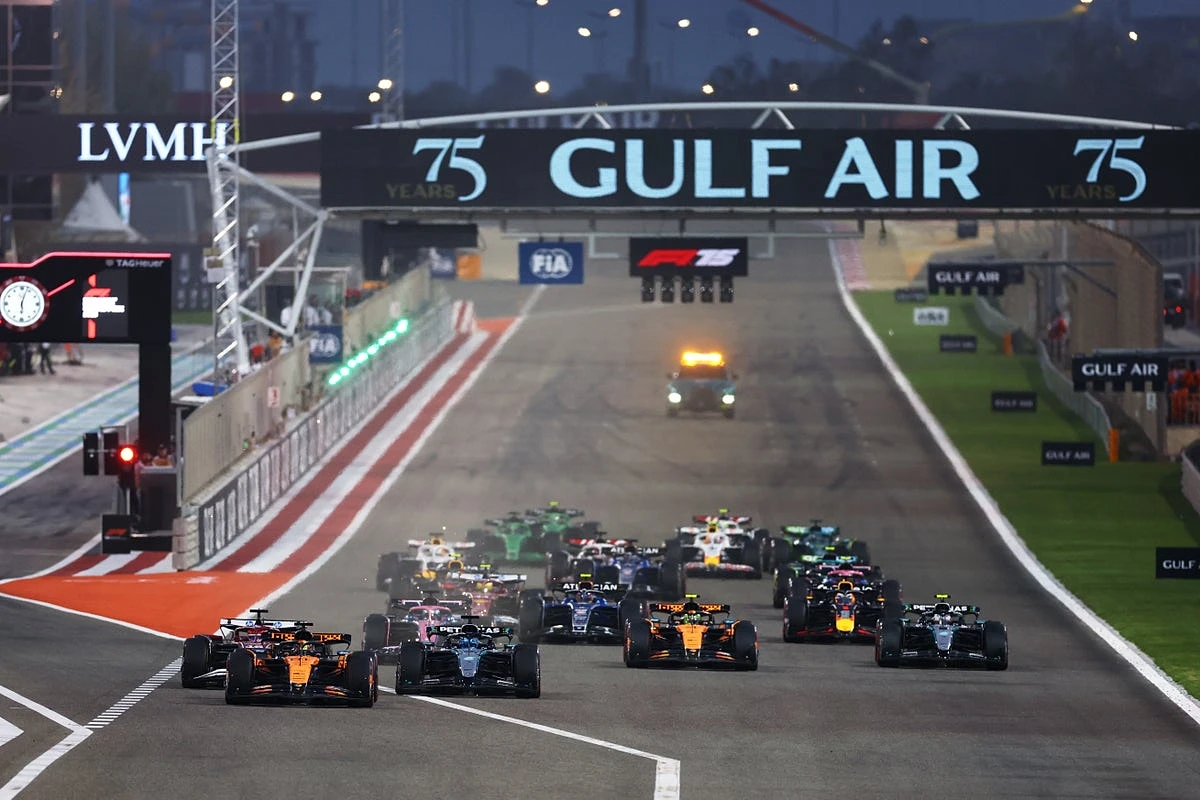
Formula 1 fans, get ready for some potential calendar shake-ups. With the Bahrain and Saudi Arabian Grands Prix canceled in March due to escalating tensions in the Gulf, the sport's top brass are now exploring ways to bring these races back—if conditions allow. But with an already packed end-of-season schedule, fitting them in won't be easy.
The two Middle Eastern races, originally slated for April, were pulled from the 2026 calendar after a series of U.S. airstrikes on Iranian military sites triggered retaliatory strikes across the region. Now, Liberty Media and the FIA are hinting that a comeback might be possible, depending on how the conflict evolves. In a recent investor call, Liberty Media CEO Derek Chang confirmed that executives are "continuously evaluating the calendar," adding that F1 CEO Stefano Domenicali has floated the idea of rescheduling one race toward the end of the season. Chang emphasized that any decision would be made "in a timely fashion."
But here's the catch: a permanent end to hostilities is non-negotiable. With the current ceasefire described by President Trump as on "massive life support," and tensions still simmering over the Strait of Hormuz, F1 bosses are clear that no changes will happen until the region stabilizes. If the conflict drags into autumn, the season could stay at 22 races, leaving fans wondering if Qatar and Abu Dhabi—the season's traditional finale—might also face uncertainty.
For now, the sport is in a waiting game. But if a reschedule does happen, it could mean four back-to-back races to close out the year—a thrilling prospect for drivers and fans alike. Stay tuned as F1 navigates this high-stakes balancing act between sport and global events.