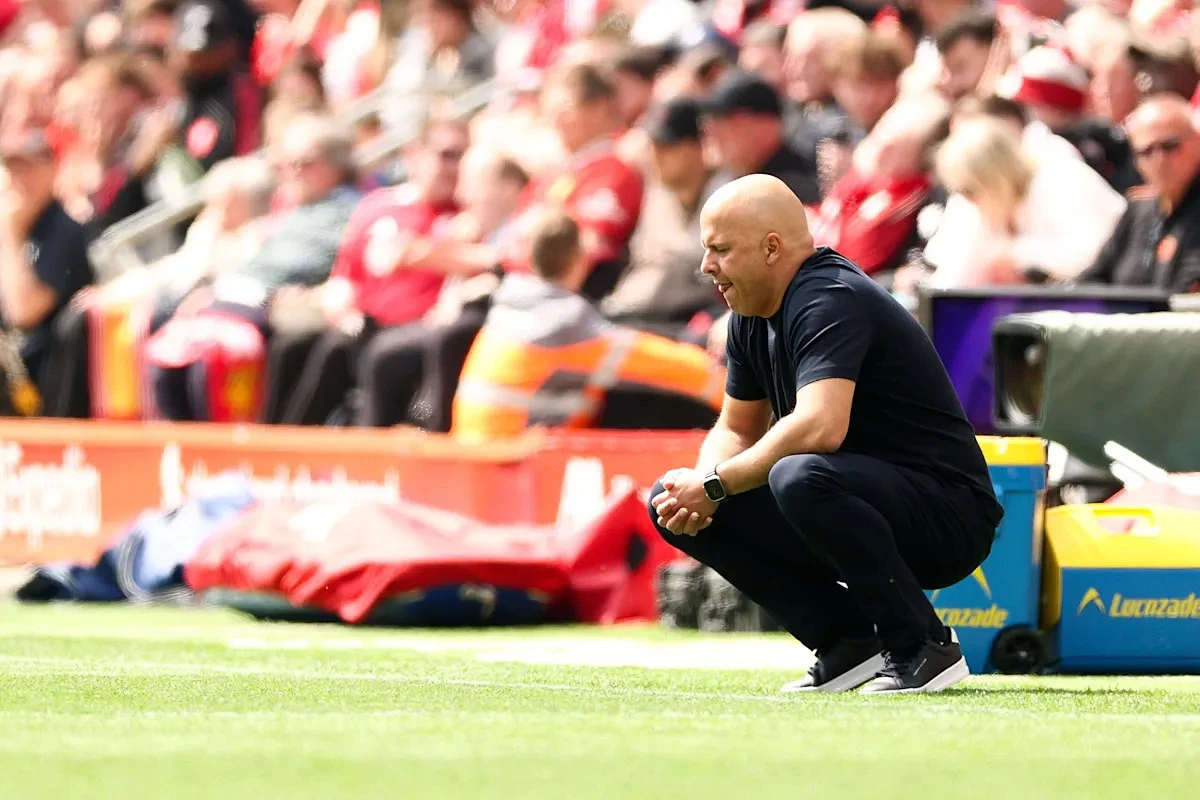
When the final whistle blew on Liverpool's 1-1 draw with Chelsea at Anfield, the sound that followed wasn't applause—it was boos. And as the players made their way off the pitch, their reactions to that frustration told two very different stories.
On Anfield Index's Media Matters, Dave Davis and David Lynch dug into the post-match comments from Ryan Gravenberch and Joe Gomez, and the contrast was striking. Davis kicked off the discussion by noting, "We're going to have to talk about standards," before reading both players' takes.
Gravenberch, the 23-year-old Dutch midfielder, didn't hold back: "To be honest, we need them behind us. I think what they do, OK, we didn't win, but I think we don't really deserve this. I think the fans have to be behind us for ninety minutes."
Gomez, by contrast, offered a more measured perspective. "We get it. We understand it. For us all the boys have experienced so many good times here, it does hurt. If it didn't, then you shouldn't still be here. We want to make it right. It's a reaction to the whole year."
Lynch didn't criticize Gravenberch for his comments, but he did offer important context. "One thing I would say there is Gravenberch is young. He is still only twenty three," Lynch said. He suggested the midfielder may have misinterpreted the target of the boos. "He probably saw those as boos for the players when in reality, I'm pretty sure they weren't."
According to Lynch, the frustration inside Anfield was aimed more at the manager and the team's style of play than at individual players. "I think if you'd have gone around Anfield and asked who and what people were doing there, I'm pretty sure it would be the manager," he explained.
Lynch also acknowledged that Gravenberch may have taken the reaction personally because of the effort the squad was putting in. "It might be a bit of inexperience, maybe taking it a bit to heart as well," he added.
Davis framed the comparison bluntly, saying it felt like "one player that gets it and one player that doesn't." For Liverpool fans, it's a reminder that understanding the club's culture is just as important as talent on the pitch—and that every player, young or experienced, has something to learn about what it means to wear the red shirt.