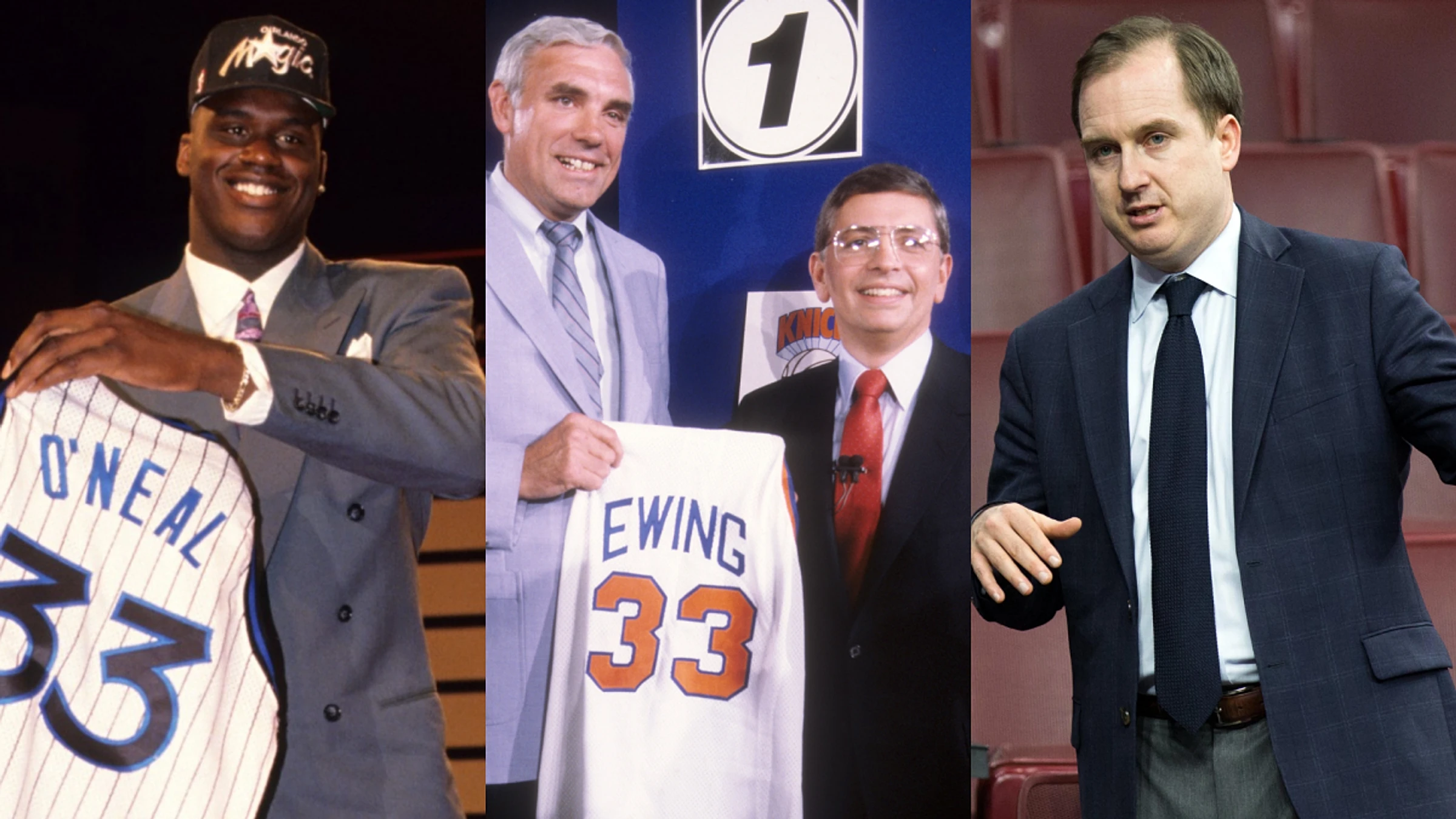
This Sunday marks the 42nd edition of the NBA Draft Lottery, an event that has sparked debate and controversy since its inception. If you feel like you've heard complaints about the draft format before, you're right—fans, teams, and analysts have been voicing concerns for decades. The NBA has been drafting players for 76 years, and it's safe to say the league has rarely been satisfied with how it determines who picks where.
The Draft Lottery is a unique feature of American professional basketball. The NFL has never needed one. Major League Baseball didn't introduce a lottery until 2022. The NHL adopted a smaller-scale version in 1995, but the stakes are much lower in hockey, where players rotate in shifts and a single superstar rarely transforms a franchise overnight.
In the NBA, one transcendent talent can change everything. That's why the system for awarding top picks has always been so contentious. If teams were allowed to draft purely based on record, the math is simple: tanking one season could set you up for a decade of dominance. The league needed guardrails to prevent teams from losing on purpose, while still giving the worst clubs the best shot at a top pick.
This was the driving force behind the creation of the NBA Draft Lottery. Depending on how you count, we've seen between four and ten different versions of the lottery since 1985. Another reform is on the horizon. Since the last major overhaul in 2019, tanking has become an epidemic. Some argue that nine of the ten teams that missed the playoffs this season engaged in some form of it, hurting the quality of the regular season. The NBA is currently fine-tuning a proposal to address the issue once more.
As the Pacers, Wizards, Jazz, Nets, and others hope the ping pong balls bounce their way this Sunday, one thing is clear: the lottery's past is filled with intrigue and unintended consequences, and its future promises even more change.