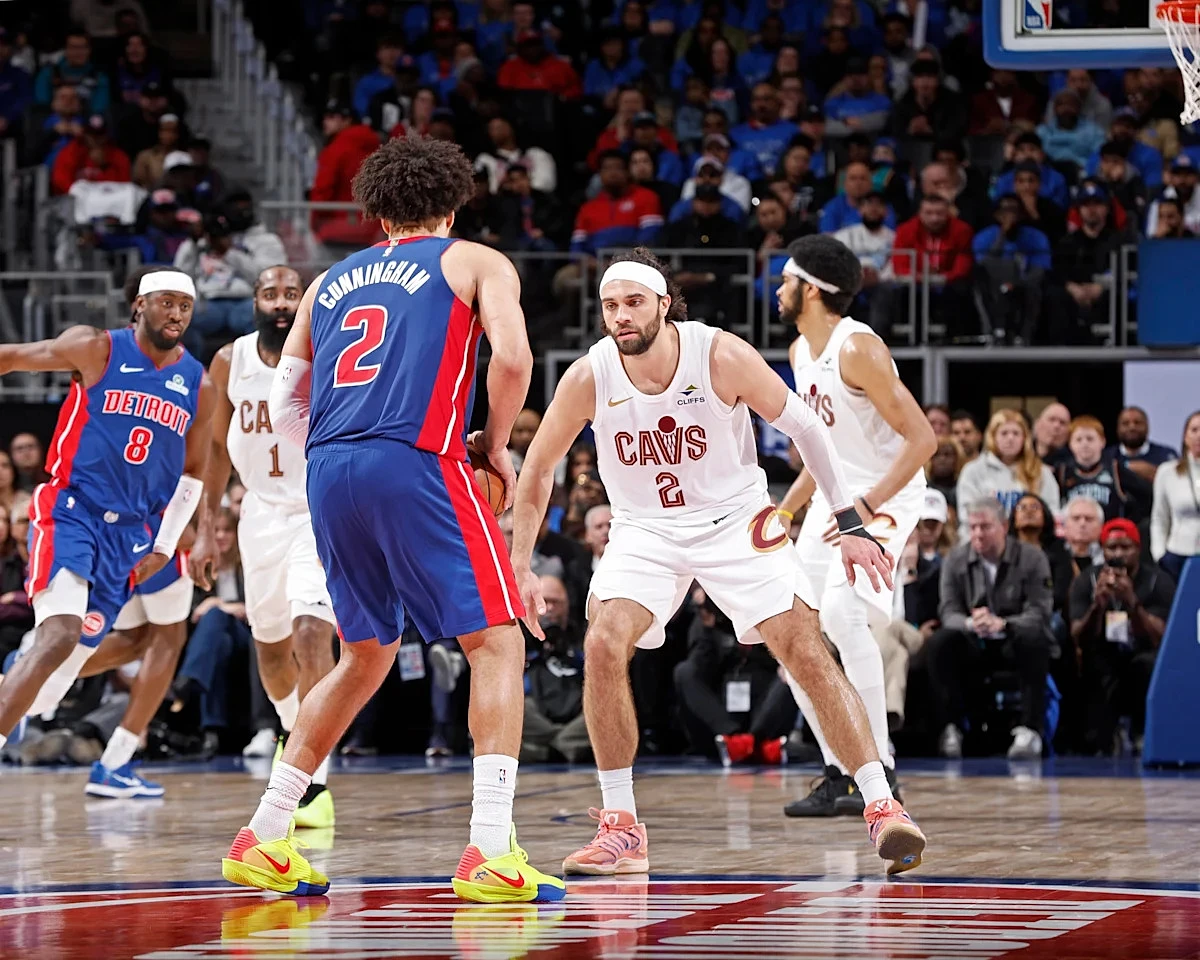
The Cleveland Cavaliers are heading into a pivotal Game 6 against the Detroit Pistons, and while both teams have largely shown their hands, the Cavs might be holding a secret weapon: the timing of their trap on Cade Cunningham.
Cunningham has been nothing short of extraordinary this series, carrying perhaps the heaviest offensive load of any player in the league. With a playoff-high 21.6 field goal attempts per game, the Pistons' success hinges on his performance. In Game 5, he was electric for most of the night, dropping 39 points and pushing Detroit to the brink of a 3-2 series lead.
But as the game wore on, something shifted. The Cavs waited patiently, then struck at the perfect moment. In the final minutes and into overtime, Cleveland began sending two defenders at Cunningham the moment he crossed halfcourt. The result? He managed just 2 points in the last 10 minutes of regulation and overtime, shooting 1-for-4 and committing a costly turnover.
The trap forced Cunningham to give up the ball and work harder to get open—a tall order for someone who played all 48 minutes. Max Strus, who had already made a name for himself with a clutch steal in Game 3, capitalized on Cunningham's fatigue by stripping him in the backcourt during overtime of Game 5.
"It's a feel," Cavs coach Kenny Atkinson said about the timing of the trap. "Do you do it after a timeout? Do you do it to throw them off balance on the first play? To end the game? Obviously, you've got to know when to press that button."
For basketball fans, this is the kind of chess match that defines playoff basketball. When a player is exhausted, mistakes happen—and the Cavs are betting they can find that same magic in Game 6. The question now is whether they can time it just right once again.