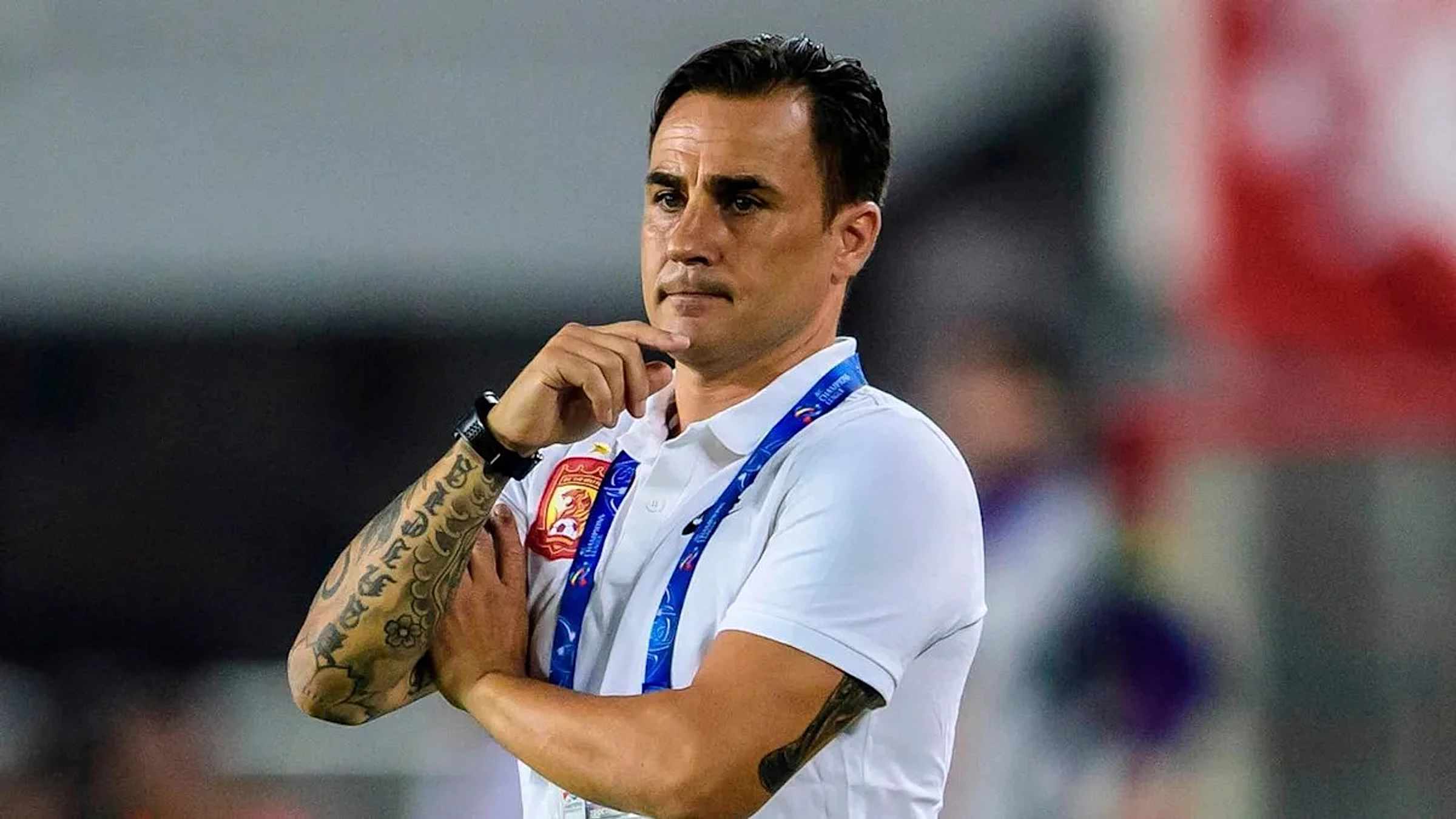
In the world of Italian football, few rivalries burn as fiercely as the one between Juventus and Inter Milan. The Derby d'Italia is more than just a match; it's a deep-seated cultural divide, making a direct transfer between the two clubs one of the sport's ultimate taboos. For a player, crossing that line is a decision weighed against legacy, fan loyalty, and intense personal scrutiny.
This is what makes Fabio Cannavaro's 2004 move from Inter to Juventus so historically significant. At the time, it was a seismic shift that defied convention. While such transfers can ignite immediate controversy, Cannavaro's career trajectory after the move speaks volumes. In Turin, he solidified his status as one of the world's best defenders, winning Serie A titles (later revoked due to Calciopoli) and, most iconically, lifting the 2006 FIFA World Cup as captain while still a Juventus player.
The professional success, however, doesn't erase the complexity of the decision. Cannavaro himself has since shed light on the circumstances, revealing a narrative far more nuanced than a simple desire to switch allegiances. He explained that his move to Juventus was not a financially motivated leap, but rather a consequence of the unfolding situation at Inter and the broader landscape of Italian football at the time.
His story is a powerful reminder that in the high-stakes world of football, a player's journey is often shaped by a confluence of factors—club strategies, timing, and unforeseen events—that extend far beyond the pitch. It underscores that even the most controversial transfers are rarely black and white, but are defining chapters in the rich, intertwined history of the game's greatest rivals.