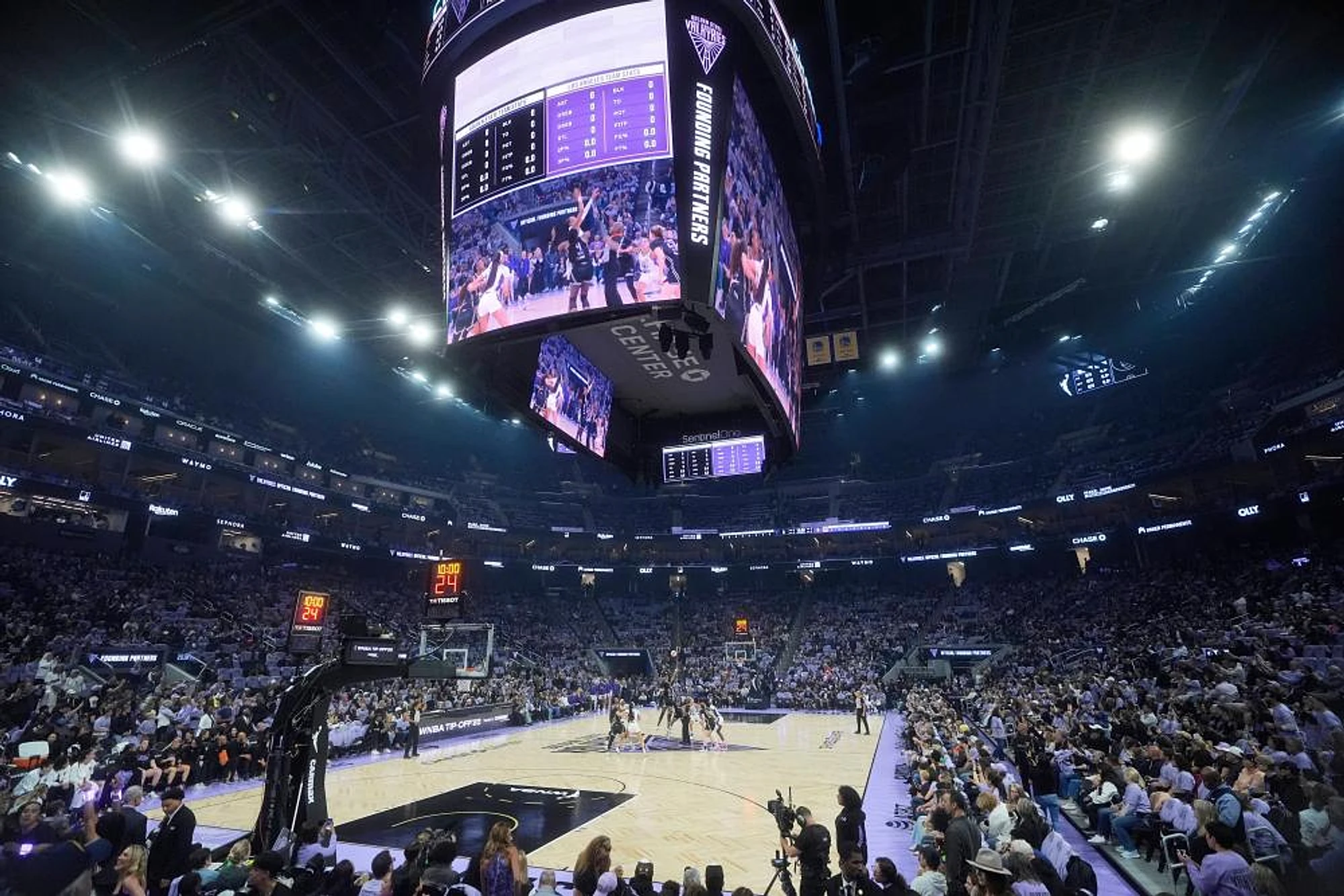
The WNBA is stepping into its 30th season with a mix of reflection and anticipation, and the numbers tell an electrifying story. Opening night saw the New York Liberty don special "court origins" uniforms, a nod to their history as one of the league's eight founding members, as they hosted the Connecticut Sun. It was a moment that blended nostalgia with the promise of a new era.
After tense negotiations between the players' union and the league that threatened to delay the season, a landmark agreement was reached. Players secured significant pay raises, setting the stage for what Commissioner Cathy Engelbert calls a "transformational moment." With surging interest and soaring team valuations, her optimism feels well-founded.
Consider this: a $300 million deal in March to sell the Sun—a team owned by the Mohegan Tribe since 2003—to Tilman Fertitta, the entertainment mogul behind the NBA's Houston Rockets. The Sun are expected to be reborn as the Houston Comets, reviving the brand of the original franchise that dominated the WNBA's early years with legends like Cynthia Cooper-Dyke, Sheryl Swoopes, and Tina Thompson. It's a powerful symbol of the league's evolving fortunes.
Women's professional basketball, soccer, and ice hockey are all experiencing a high-growth phase in North America. The WNBA, founded in April 1996 with NBA backing, tipped off in 1997 riding the wave of the US women's Olympic gold. Since then, it has expanded and contracted like an accordion, now fielding 15 teams. Only three of the original eight—the Liberty, Phoenix Mercury, and Los Angeles Sparks—remain in their founding cities.
As the league celebrates 30 years, it's clear the Comets' legacy has come full circle. The WNBA's rocketing growth raises a compelling question: can this momentum last? For fans and players alike, the season ahead offers plenty to cheer about.