In football, the art of the set-piece has evolved from raw physicality to a chess match of strategy and preparation. Former Sunderland striker Marco Gabbiadini recently shared his insights on how modern teams have transformed this once-gritty aspect of the game into a calculated science.
"Set-pieces have always been important," Gabbiadini told BBC Radio Newcastle. "But now, teams do their homework." This shift is evident across the Premier League, where the majority of clubs now employ dedicated set-piece coaches and specialized systems. Gone are the days when success relied solely on players "putting their bodies on the line and jumping into situations." Today, it's about outsmarting the opponent.
Gabbiadini highlighted a key change in the game's dynamics. "The height differences were different in the past. Now, the average Premier League player is over six-foot, so everyone is pretty decent. Who do you mark?" This level playing field, he argues, introduces an element of chance. "Set-pieces come down to chance. Sunderland scored quite a lot from them in the first third of the season, and now it's dropped off a little bit."
Reflecting on his own playing days, Gabbiadini explained the unpredictability of scoring from dead-ball situations. "One of my jobs as a goalscorer was to try and get on the end of things. For corners, the manager wanted me to be free and find the gap. You could make the same run for 20 games and not get on the end of it, but then get to it three games in a row. There is so much chance involved."
When asked why Sunderland's set-piece threat has waned as the season progressed, Gabbiadini pointed to both technical and tactical factors. "The delivery and the way players can shape the ball now does cause defenders a problem. Sunderland's corners have never been among the best, and they've always struggled to put a good ball in. That's an area they need to improve."
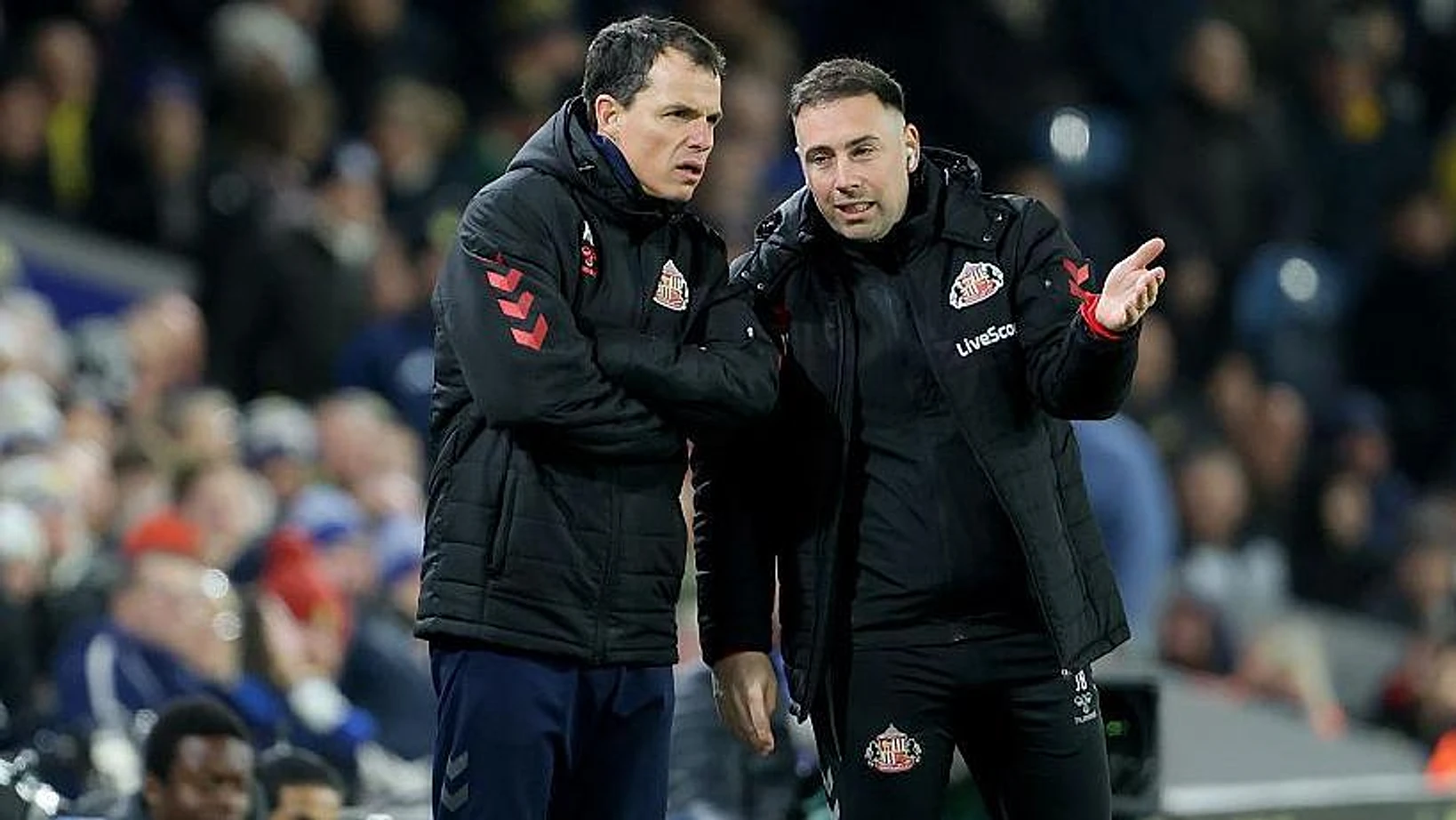
He also praised Sunderland manager Regis Le Bris for his adaptability. "I think Regis Le Bris is right in that teams evolve through a season, and other teams do their homework. They've worked out what Sunderland were doing early doors from set-pieces. You've always got to stay ahead of the game." Gabbiadini drew a parallel to the decline of long-throws. "Less teams are doing them now because teams have worked out how to defend them. You've got to find that extra one per cent all the time."
For fans and players alike, this evolution underscores a crucial lesson: in modern football, success from set-pieces isn't just about strength or luck—it's about preparation, adaptation, and staying one step ahead.