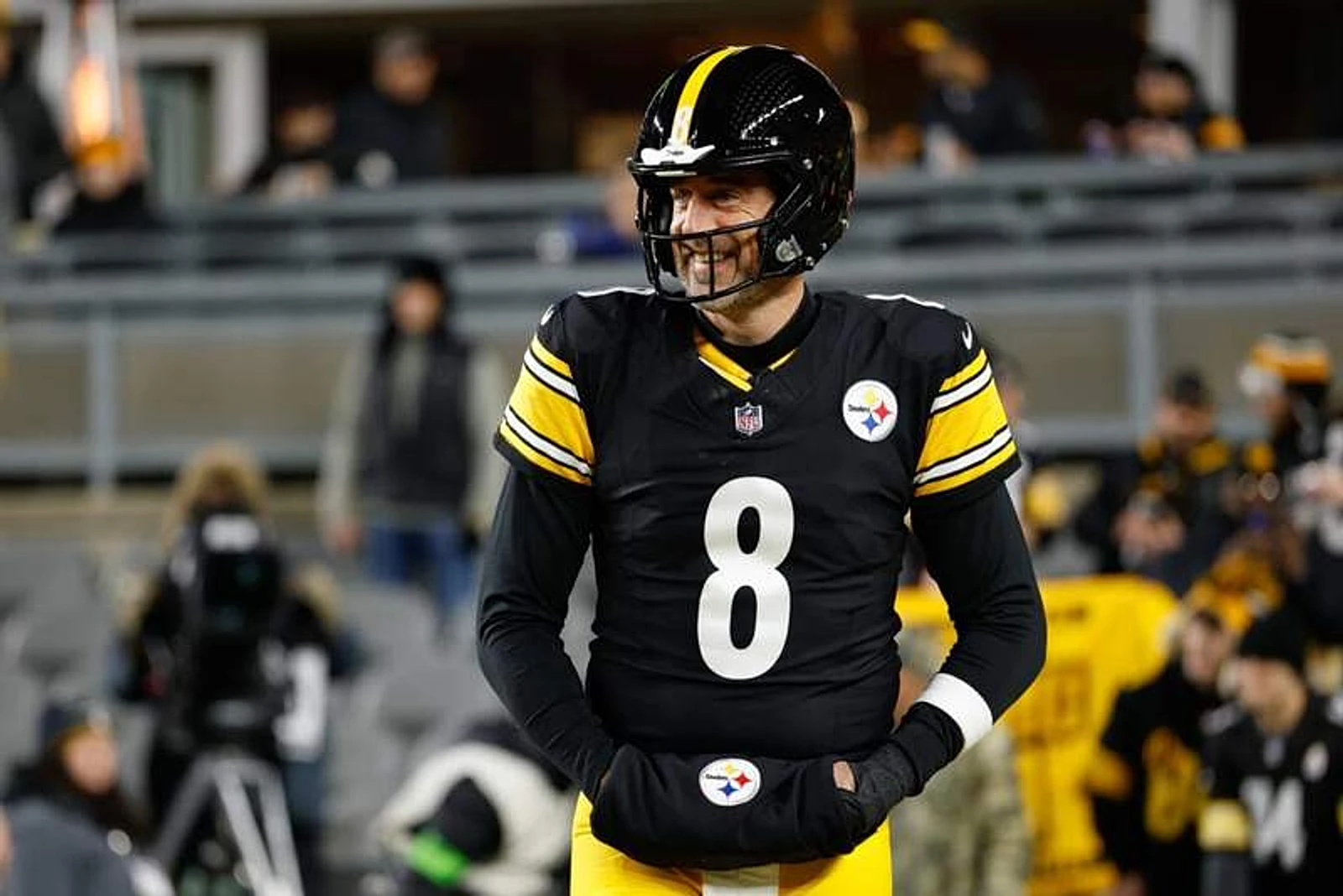
The Pittsburgh Steelers have finally made the tough call on Aaron Rodgers—and it was the one they had to make. For weeks, the organization let the four-time MVP quarterback control the rhythm of their entire offseason, patiently waiting while he weighed his options. But as the calendar crept forward, the Steelers reached a breaking point. They couldn't let one player's indecision hold the whole franchise hostage any longer.
It's a delicate dance that's played out before in the NFL. Teams often find themselves balancing respect for a superstar's timeline with the need to build a cohesive roster. The Steelers learned that lesson firsthand this spring, as they watched their quarterback room—featuring names like Mason Rudolph and Will Howard—prepare for the season without any clarity on who would ultimately lead the offense.
Pittsburgh's decision to use an unrestricted free agent tender on Rodgers wasn't just about protecting draft compensation. Sure, the official line was about preserving potential compensatory picks if Rodgers signed elsewhere. But the real message was louder: the Steelers needed to reclaim control of their own offseason.
The move created a much-needed timeline. Rodgers can still negotiate with other teams until July 22, but after that date, the Steelers gain exclusive negotiating rights if he remains unsigned. That deadline prevents Pittsburgh from drifting endlessly while Rodgers evaluates other opportunities. A quarterback injury elsewhere could have shifted the market in an instant, leaving the Steelers exposed after months of patient waiting.
For a team that prides itself on stability and preparation, the uncertainty had created an awkward dynamic in the locker room. Practices moved forward, but the elephant in the room was impossible to ignore: Rodgers was still the preferred option, yet he wasn't in the building. That tension can ripple through a team, affecting morale and focus.
By making this move, the Steelers signaled they're ready to move forward—with or without Rodgers. The door remains open for him to sign and immediately become the team's best quarterback option heading into 2026. But the franchise has made it clear: they won't let the entire offseason revolve around one player's decision. It's a power shift that was overdue, and one that Steelers fans—and anyone who loves the game—can appreciate.