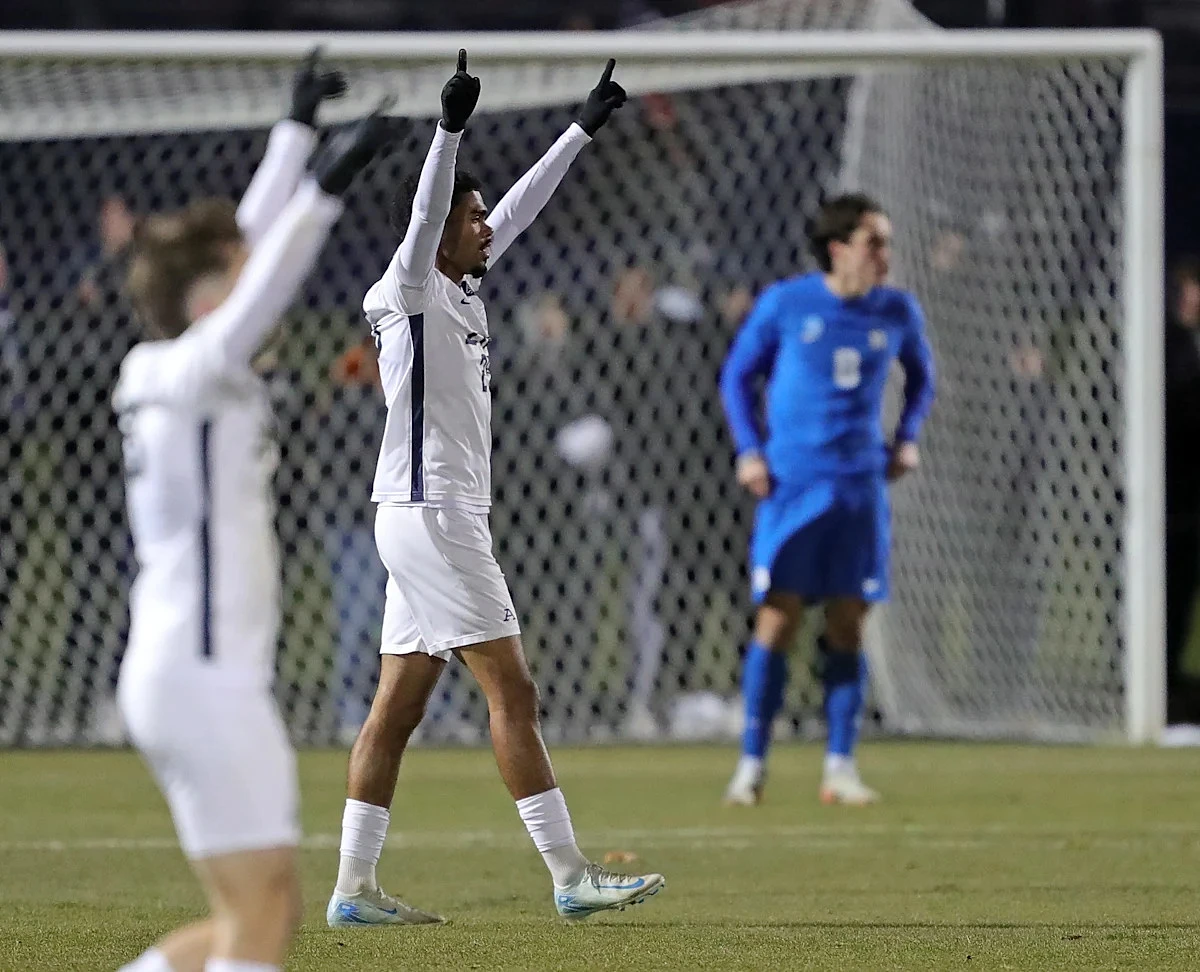
The college soccer landscape is on the verge of a major transformation, and one of the sport's most respected voices is fully on board. If the NCAA Division I Council gives the green light this June, men's college soccer could shift to a two-semester season starting in August 2027—a move that has Akron Zips head coach Jared Embick excited about what it means for the game.
"I like it," Embick said. "I think once we work through the kinks long term, that's going to be better for the game and development."
Under the proposed format, teams would still play a maximum of 25 regular-season games, but they'd be split across two semesters: up to 18 games in the fall and up to 10 in the spring. The fall season would run from late August through the Saturday before Thanksgiving, while spring action would kick off in mid-February. Postseason dates are still being finalized, but the new structure aligns perfectly with Major League Soccer's plans to move its SuperDraft to a similar schedule beginning in July 2027.
For coaches like Embick, the real win here is about player well-being and development. Currently, teams cram a packed season into just over three months—Akron played 21 games in 101 days last year, averaging less than five days between matches. That grueling pace leaves little time for recovery or academics.
"The stress level is really high on everybody in the fall when you're having to turn around after a game, not only physically but psychologically," Embick explained. "These kids aren't pros, so the ability to turn off a bad game isn't there. If you have six days to learn from it and move on and build yourself back up—or as a coach to help build them back up—their whole mental health changes."
Beyond the mental health benefits, Embick sees this as a game-changer for U.S. soccer development. By spreading the season across two semesters, college programs can better prepare players for the professional ranks while giving them more time to balance academics and athletics. "When you're looking at U.S. Soccer and the best players, this is going to help the development of the best players move on and help college maybe impact the pyramid more," he said.
For fans, this means more soccer throughout the year—and for players, a smarter, more sustainable path to success. It's a change that could reshape the sport from the ground up.