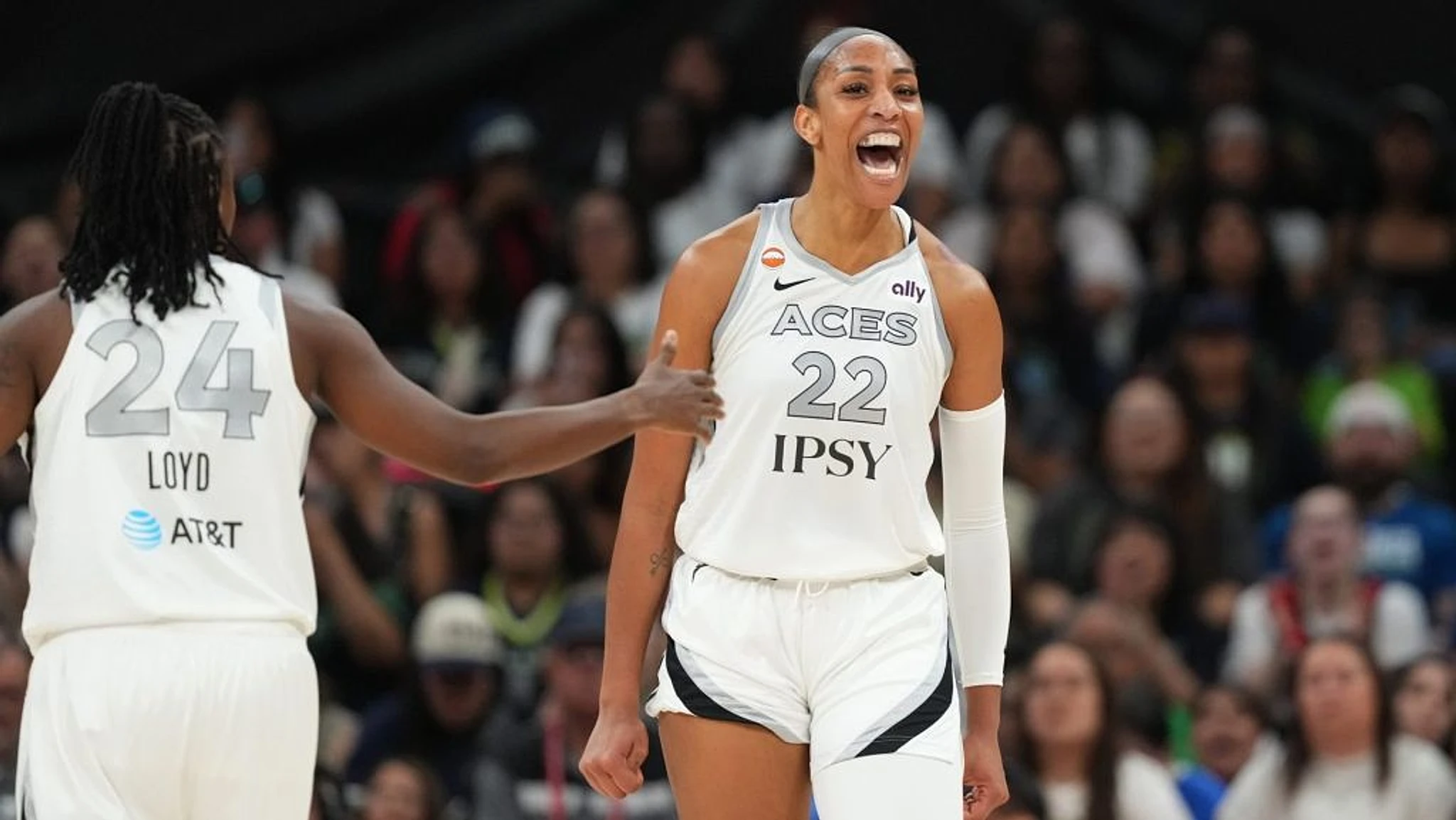
The WNBA season is officially here—and for the first time in recent memory, it's arriving right on schedule. After an offseason marked by tense labor negotiations that pushed everything back and compressed the timeline, the league is set to tip off Friday as planned, bringing with it a new era of basketball and business.
Players are already feeling the impact of the new Collective Bargaining Agreement, and the numbers are staggering. The minimum salary has jumped from $66,790 to $270,000, while the salary cap has grown five times larger than last season. But this isn't just about bigger paychecks—it's a complete reset of how the league operates.
One of the most talked-about additions is the EPIC rule, which allows players entering their fourth year to renegotiate rookie contracts for max or supermax deals worth 20% of the salary cap. If you've made an All-WNBA team in your first three seasons, you're eligible for a max deal. Win MVP, and a supermax is within reach. That means young stars like Aliyah Boston and Caitlin Clark could see massive paydays sooner than expected—something Indiana Fever GM Amber Cox says is already shaping long-term roster planning.
Teams also now have two developmental roster spots that don't count against the salary cap, allowing young players to suit up for up to 12 games per season. It's a chance for hidden gems to shine without the financial pressure of a full contract.
But with change comes confusion. General managers are still learning the new rules on the fly. Golden State Valkyries GM Oheema Nyanin, for example, made headlines with a controversial draft night trade of Flau'jae Johnson—only to cut the player she got in return. Her explanation? "Cap flexibility." It's a sign of how teams are scrambling to adapt.
As the regular season unfolds, expect plenty of ripple effects. How will teams handle what's usually a quiet trade deadline when most of the league is locked into multi-year deals? How will draft picks be valued as expansion continues? And could a developmental player break out and earn a full-time roster spot?
Adding to the excitement, the league is expanding in a big way. The Toronto Tempo and Portland Fire are officially the 14th and 15th teams in the WNBA, making their debuts this weekend. It's a new chapter for women's basketball—and it's just getting started.