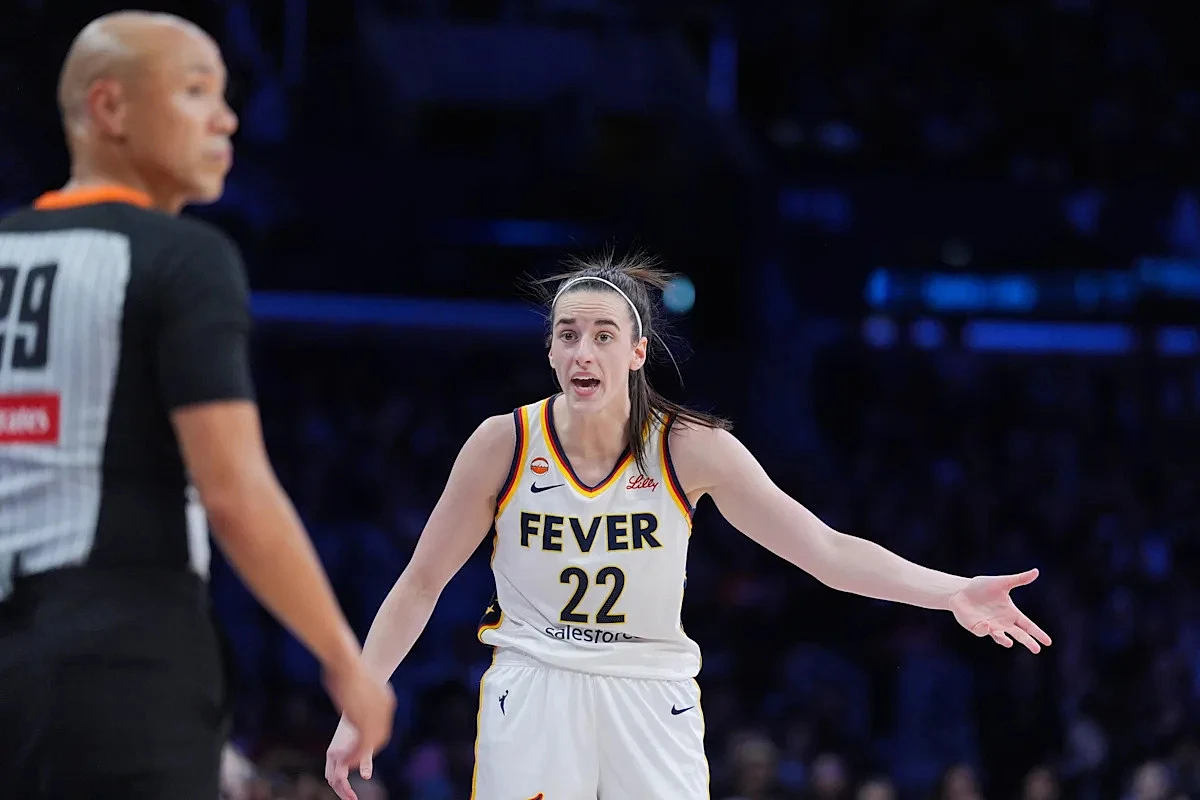
The WNBA is making a bold statement in the opening week of the season: physical play is on notice. Fouls are up, and the league is embracing the growing pains as it works to clean up the game. Through the first week, teams are averaging 21.6 fouls per game—a noticeable jump from 19.9 at the same point last year. While that number might raise eyebrows, it's a deliberate step toward a more fluid, skill-driven brand of basketball.
"Fouls are up. I don't think if we're going to get rid of rough play that we saw in previous seasons, there is any other outcome other than at the beginning fouls will be up," said Monty McCutchen, the WNBA's head of officiating. "That's a fairly safe assumption."
Interestingly, the uptick in fouls hasn't led to a surge in free throw attempts—at least not yet. Teams are shooting 21.9 free throws per game this season, compared to 21.4 last year at this stage. By the end of the 2024 season, that number settled at 18.2 per game, suggesting the early-season whistles may ease as players adjust.
The shift stems from an offseason officiating task force, part of a broader "state of the game" group that included players and coaches. Their goal? Address growing concerns around excessive physicality. "What came out of our meetings was we didn't really change any rules or change an interpretation," explained Sue Blauch, the WNBA's head of referee performance and development. "When we drilled down to the nitty gritty, it came down to we needed to strictly enforce our current guidelines. So that's what you're seeing more of. A stricter enforcement of freedom of movement. That will allow the game to open up and the players to showcase their talents."
McCutchen noted that the task force spent countless hours aligning on what players, coaches, and the league wanted from officials. "That amount of hours gives clarity to Sue on the day-to-day portion for teaching our staff. There will be some over-calibration when we try to impart freedom of movement. I think we've experienced a little bit of that."
For fans and players alike, this early-season adjustment is a sign of progress. The league is prioritizing a cleaner, more dynamic game—one where stars can shine without being bogged down by overly physical defense. As the season unfolds, expect the foul numbers to settle, and the action to heat up. It's a new era for the WNBA, and the first week is just the beginning.