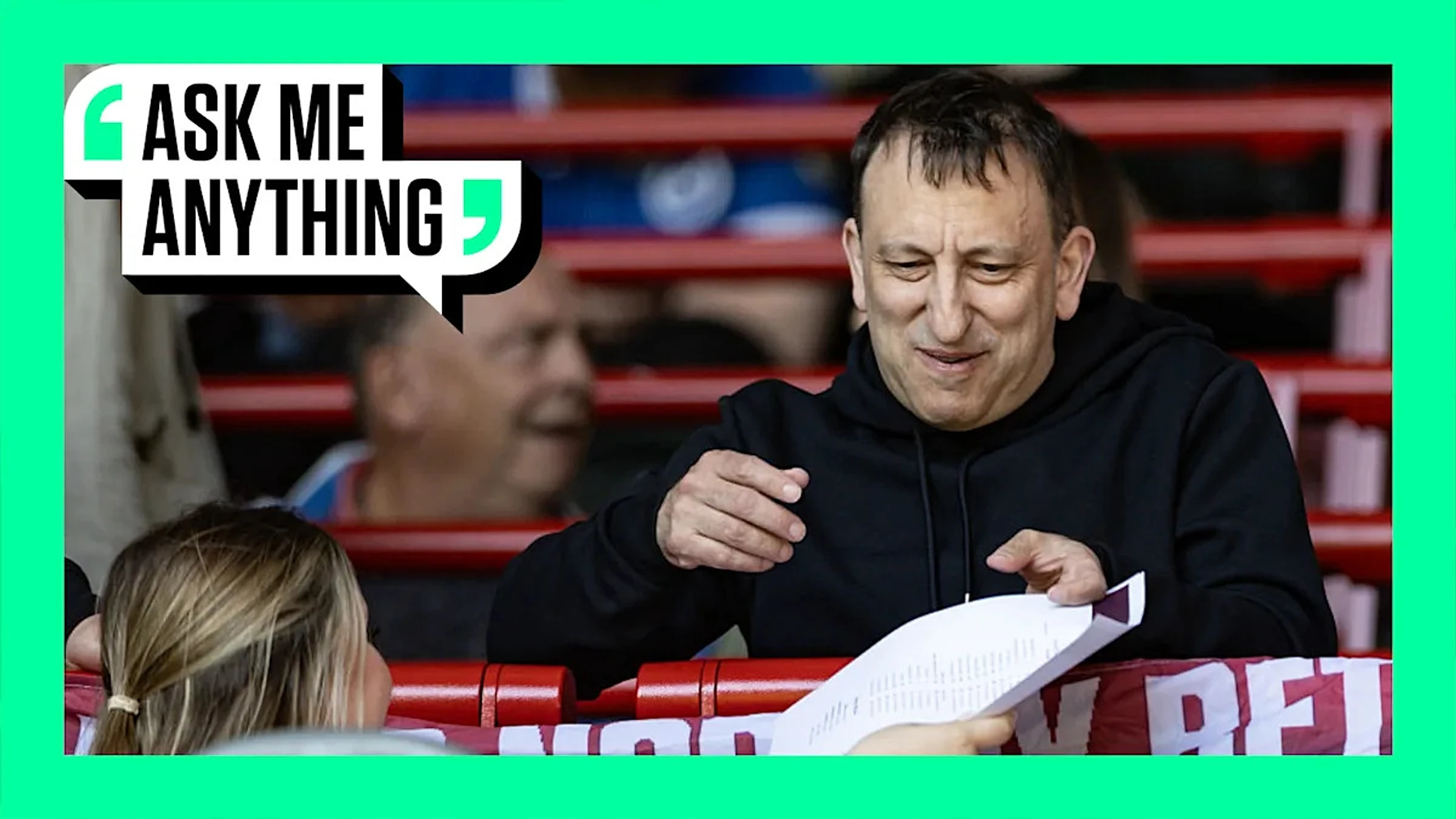
When a football club owner's portfolio expands beyond one team, things can get complicated—especially when European football is on the line. Brighton's Tony Bloom knows this better than most.
After steering the Seagulls to remarkable success, Bloom has broadened his football interests. He now holds stakes in Scottish Premiership leaders Hearts and Belgian side Union Saint-Gilloise. But here's where it gets tricky: all three clubs could qualify for the same European competition this season.
If Hearts or Union Saint-Gilloise secure a spot in Champions League qualifying, it could directly impact Brighton's European ambitions. UEFA's multi-club ownership (MCO) rules are strict: the team in the higher-ranked competition gets priority. If one of Bloom's other clubs loses in Champions League qualifying and drops into the same tournament as Brighton, the Seagulls would be barred from entering altogether.
This isn't Bloom's first rodeo with MCO regulations. Before the 2023-24 Europa League season, he had to reduce his controlling stake in Union Saint-Gilloise below 30% because Brighton had also qualified. When he bought into Hearts last year, he clearly had this conflict in mind—purchasing exactly 29% of the Edinburgh club to stay under the threshold.
So while Bloom's multi-club model has been a success story, it comes with a built-in headache: the more teams he owns, the more potential roadblocks to European glory. For Brighton fans, that means keeping one eye on the pitch—and the other on what's happening in Edinburgh and Brussels.