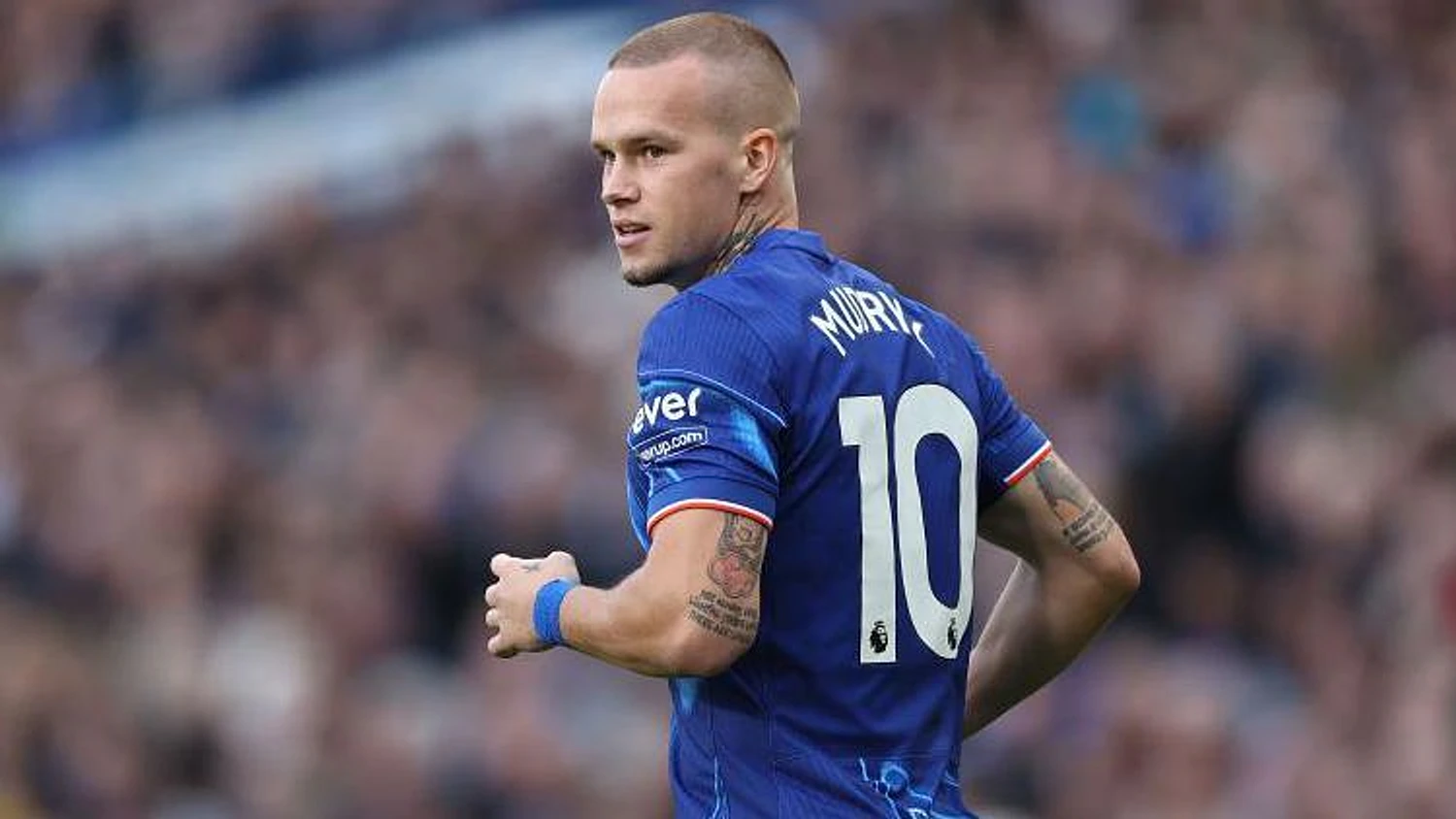
When news broke that Chelsea winger Mykhailo Mudryk is appealing a four-year doping ban, the first reaction from many football fans was: "What ban?" And honestly, that confusion is completely understandable.
Here's the thing: the Football Association (FA) quietly handed down this suspension to the Ukrainian international after an "adverse finding in a routine urine test" — but they never made a public announcement. No press release. No official statement. Just silence.
It wasn't until Wednesday that the story became public knowledge, and only because the Court of Arbitration for Sport (CAS) revealed that Mudryk had filed an appeal against the ban. So why the secrecy? And what happens next for the 23-year-old winger?
According to BBC Sport, Mudryk was actually banned by the FA back in January. But only a tight circle of people — those closest to him and a handful of Chelsea staff — were informed. That's because the FA's anti-doping program operates under strict confidentiality rules. Every step, from the testing itself to legal discussions, happens behind closed doors to protect players' privacy.
The FA works alongside UK Anti-Doping (UKAD) on this program. Interestingly, in many other sports, provisional bans for positive tests are announced publicly right away. Football takes a different approach.
The FA's anti-doping privacy policy explains that sensitive personal data is processed "for the purposes of eliminating doping in sport and protecting the integrity of the game." This information can be shared with third parties including UKAD, police (if there's evidence of criminal conduct), UEFA, FIFA, and the World Anti-Doping Agency. Your club gets notified too.
So how do these cases usually come to light? Often, it's when a player has been absent from their team's matchday squad for an unexplained period. Journalists start asking questions, and eventually the story leaks out.
As for what happens now: Mudryk is fighting the ban through CAS, and until that appeal process is complete, the official outcome and punishment typically remain under wraps. In football's world of confidential anti-doping procedures, the real story often stays hidden until the final whistle blows on the legal process itself.