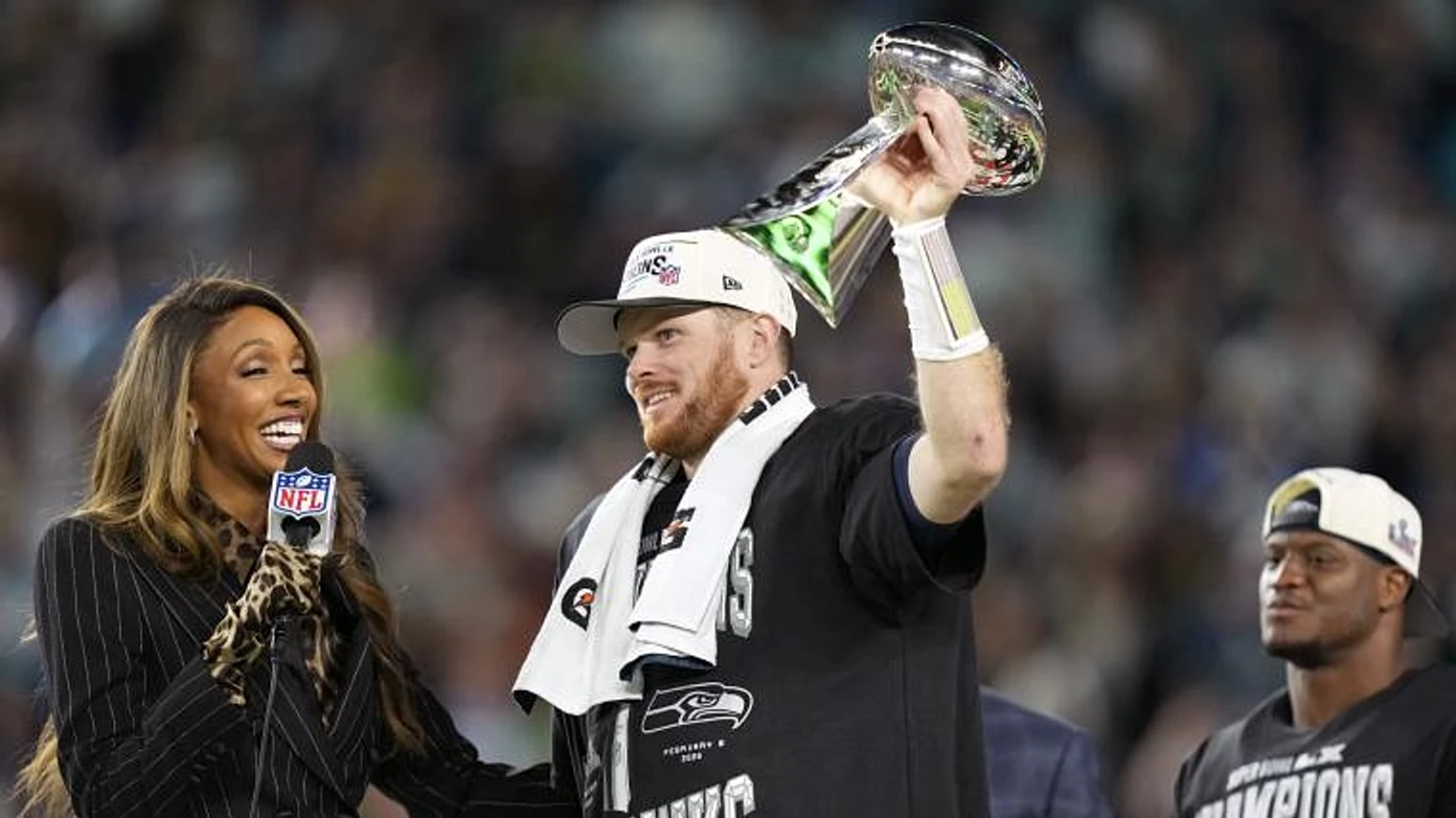
When the Seattle Seahawks hoisted the Lombardi Trophy after winning Super Bowl 60, many fans expected quarterback Sam Darnold to receive a lucrative contract extension. After all, he had just led the team to a championship on a relatively team-friendly deal. But the Seahawks had other plans—and their decision reveals a fascinating glimpse into their roster-building philosophy.
Darnold signed a $33.5 million per-year deal in free agency, a bargain compared to what most Super Bowl-winning quarterbacks command. That financial flexibility allowed Seattle to add stars like Cooper Kupp and DeMarcus Lawrence, strengthening the roster around their signal-caller. And that's exactly why the front office chose not to tear up Darnold's contract after the big win.
ESPN's Dan Graziano explained the team's thinking: "With two years left on the contract, sure, the Seahawks could have extended him. But that would have gone against the very principles that, they believe, helped them build a Super Bowl champion roster." In other words, why fix what isn't broken?
The contrast with last year's Philadelphia Eagles is instructive. When the Eagles rewarded Saquon Barkley after their Super Bowl victory, it was because he had shattered records—most rushing yards in a season, regular season and playoffs combined. Darnold, while instrumental to Seattle's success, didn't set any records or win Super Bowl MVP. He wasn't the sole reason the Seahawks reached the mountaintop.
Instead, Darnold will collect the $4 million in incentives he earned for the championship season. It's a fair reward for a quarterback who played his role perfectly within a system designed to spread resources across the entire roster. For the Seahawks, maintaining that balance is more important than handing out a single massive contract—even to the man under center.