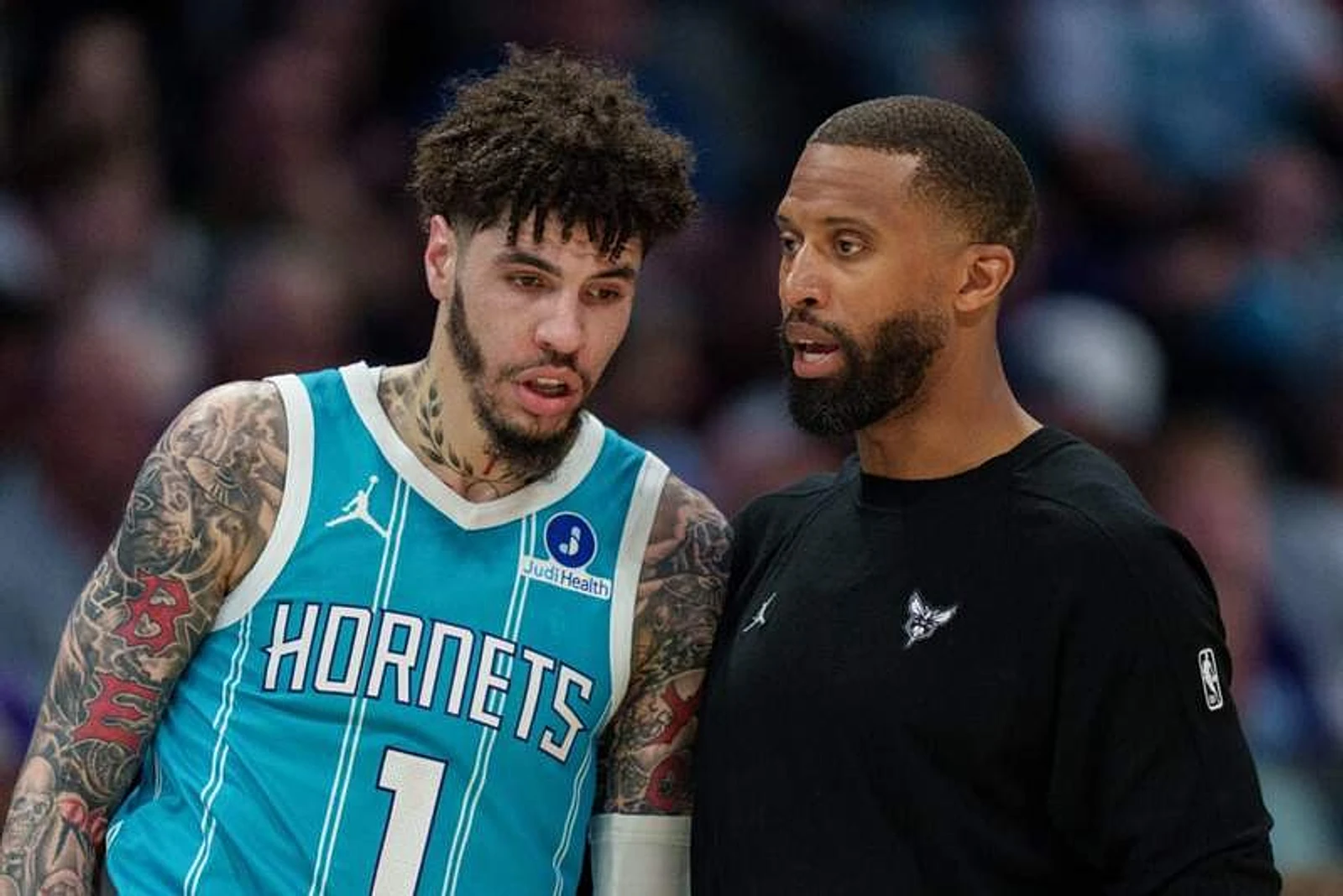
LaMelo Ball didn't mince words after the Charlotte Hornets' season ended with a thud in the Play-In Tournament. While the star guard shouldered his share of the blame for the 121-90 loss to the Orlando Magic, his postgame comments hinted at a deeper frustration with the game plan itself.
The Hornets were buried almost immediately, falling into a historic 68-37 halftime deficit—the largest in Play-In history. For Ball, the issue wasn't just poor execution; it was a matter of timing. He felt his aggressive, playmaking style was unleashed far too late to make a difference.
"I just felt like it was too late," Ball stated. "I should have been doing that from the jump. We were running a lot of plays and getting pushed around. I feel like I should’ve just taken the ball from the beginning."
This pointed critique seems directed at head coach Charles Lee's structured offensive system, which appeared to hold Ball back early. By the time the reins were off, the damage was irreparable. Ball's 23-point performance was telling—21 of those points came in a third-quarter surge when the game was already a blowout.
The stat sheet tells the story of a complete breakdown. Charlotte shot a dismal 33.7% from the field and coughed up 20 turnovers. Orlando dominated physically, winning the rebounding battle 49-34 and outscoring the Hornets by a staggering 64-28 in the paint. This wasn't just a loss; it was a clinic in being outworked and out-schemed.
The lopsided defeat leaves the Hornets with a tough offseason question: Could a more aggressive, Ball-centric approach from the opening tip have changed their fate? For a young team building around its franchise player, finding the right balance between structure and star freedom will be crucial for next season's gear.