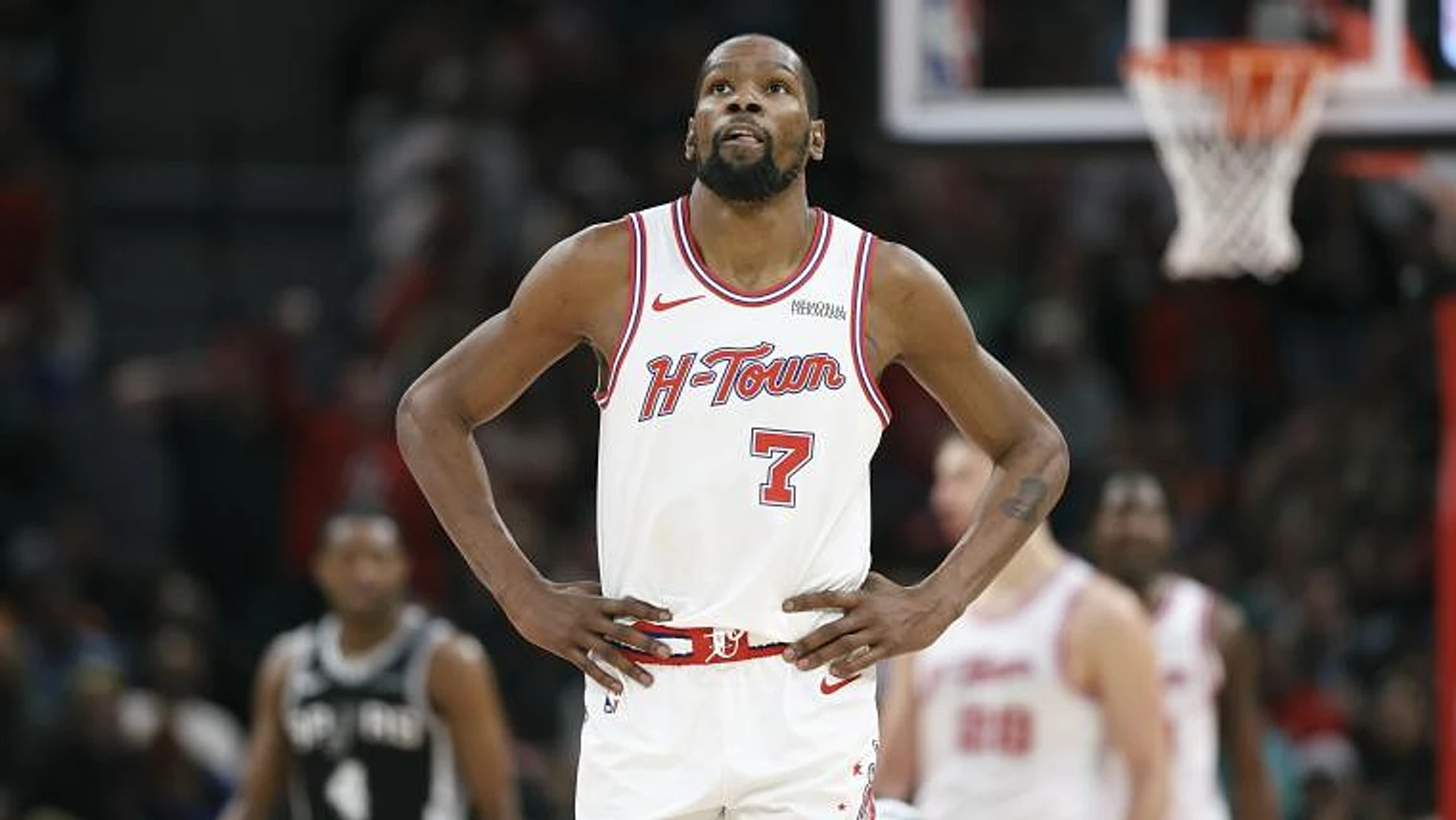
The Houston Rockets' season ended with 52 wins, but that number doesn't tell the full story. For a team that added Kevin Durant and set its sights on a Western Conference title, falling in the first round for the second straight year—this time to the Los Angeles Lakers—feels more like a step back than a step forward.
The Rockets hoped Durant's All-Star talent would elevate a promising young core that had hit its ceiling last season. Instead, the team often looked disjointed and less connected than it did a year ago. Here's a breakdown of what went wrong.
Early Injury Derailed the Game Plan
The season's trajectory shifted before it even began. Starting point guard Fred VanVleet suffered a torn ACL in the preseason, forcing Houston to improvise. With few reliable options, the team moved Amen Thompson into the point guard role, pushing key players out of their natural positions. The ripple effect was immediate.
Defensive Struggles and Depth Issues
While 52 wins isn't a disaster, it wasn't an improvement from last season—and that's the problem. Alperen Sengun struggled defensively for much of the year, and Jabari Smith Jr. made only modest offensive strides while regressing on defense. The depth the Rockets banked on never fully materialized. Steven Adams played just 32 games before missing the final three months, and free-agent addition Dorian Finney-Smith struggled so much he fell out of the rotation entirely.
Three-Point Woes
A lack of reliable shooters left the Rockets ranked 28th in three-point percentage, a glaring weakness in today's NBA. Without consistent spacing, the offense often bogged down, and Durant's heroics weren't enough to carry the team past a disciplined Lakers squad.
For a team that added a future Hall of Famer and expected to contend, the Rockets' season is a reminder that talent alone doesn't guarantee success. Chemistry, health, and fit matter just as much—and this year, Houston fell short in all three areas.