The Seattle Seahawks entered the 2026 NFL Draft with a clear mission—and just four picks to work with. But by the time the weekend was over, General Manager John Schneider had turned those limited resources into eight new rookies, all united by one defining trait: competitiveness.
According to ESPN’s Brady Henderson, sources inside Seattle’s draft room revealed the method behind the moves. The Seahawks weren’t just collecting talent—they were hunting for players who bring an edge. That meant making aggressive trades to double their pick total, even as some deals fell through. The result was a class built on grit, not just stats.
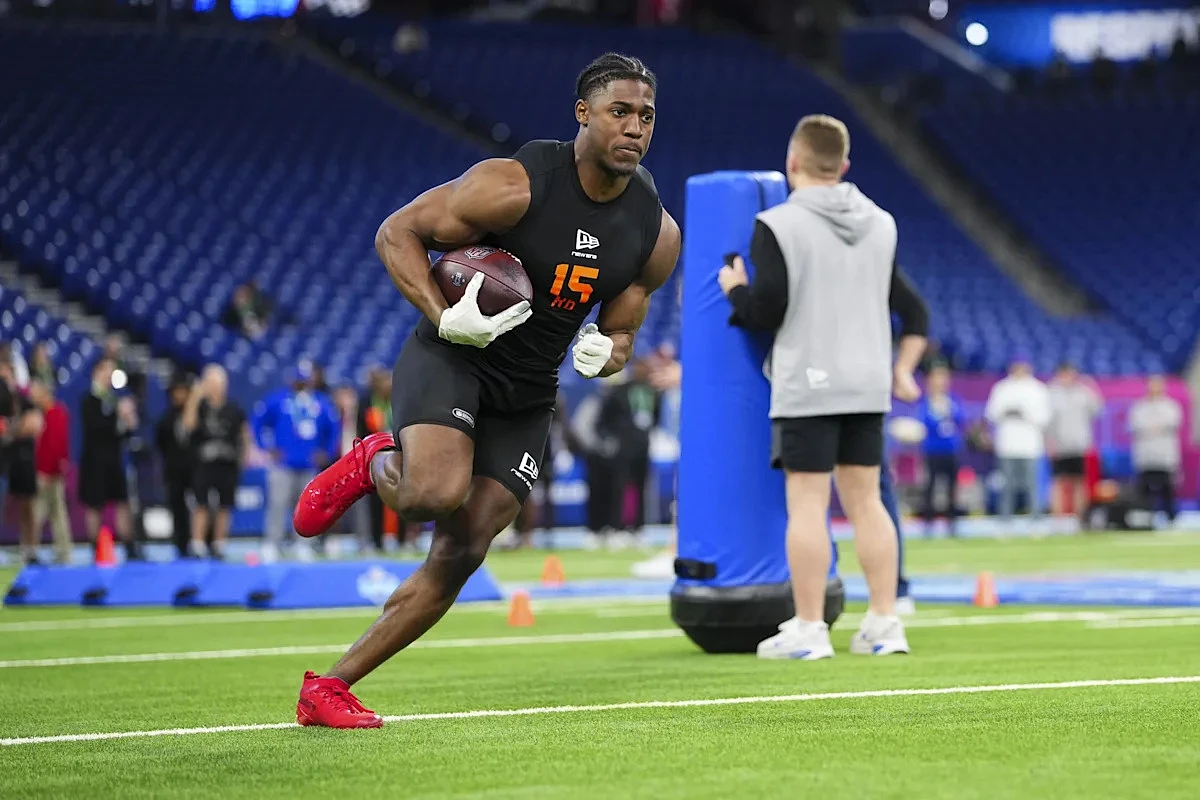
At pick No. 32, Seattle had its sights set on San Diego State cornerback Chris Johnson. But when the Miami Dolphins snatched him up just a few spots earlier, the Seahawks pivoted. Their backup plan? A running back—but not just any running back. According to a source, Seattle had a massive gap in its draft board between top target Jadarian Price and the next options, Washington’s Jonah Coleman and Arkansas’ Mike Washington Jr. That gap? Over 100 picks in value, a three-round disparity that caught many analysts off guard.
That competitive thread runs through every selection. Second-round pick Bud Clark, a safety out of TCU, was praised for his “super-charged playing style and spirited demeanor.” Third-round corner Julian Neal, who boldly calls himself “the most physical corner in the draft,” drew praise from head coach Mike Macdonald for his “great work ethic” and competitive fire. Neal’s goal? To replace Riq Woolen, one of the few defenders whose tackling commitment could be questioned.
Then there’s Iowa guard Beau Stephens, who visited the team before the draft. Seattle graded him so highly that when he was still on the board in the 140s, Schneider didn’t hesitate—he traded next year’s fourth-round pick to snag him. It’s the kind of move that shows just how much this front office values a player who brings everything, every snap.
In the end, the 2026 Seahawks draft class doesn’t just fill roster spots—it sets a tone. For John Schneider and Mike Macdonald, the message is clear: if you want to wear the blue and green, you’d better bring the fight.