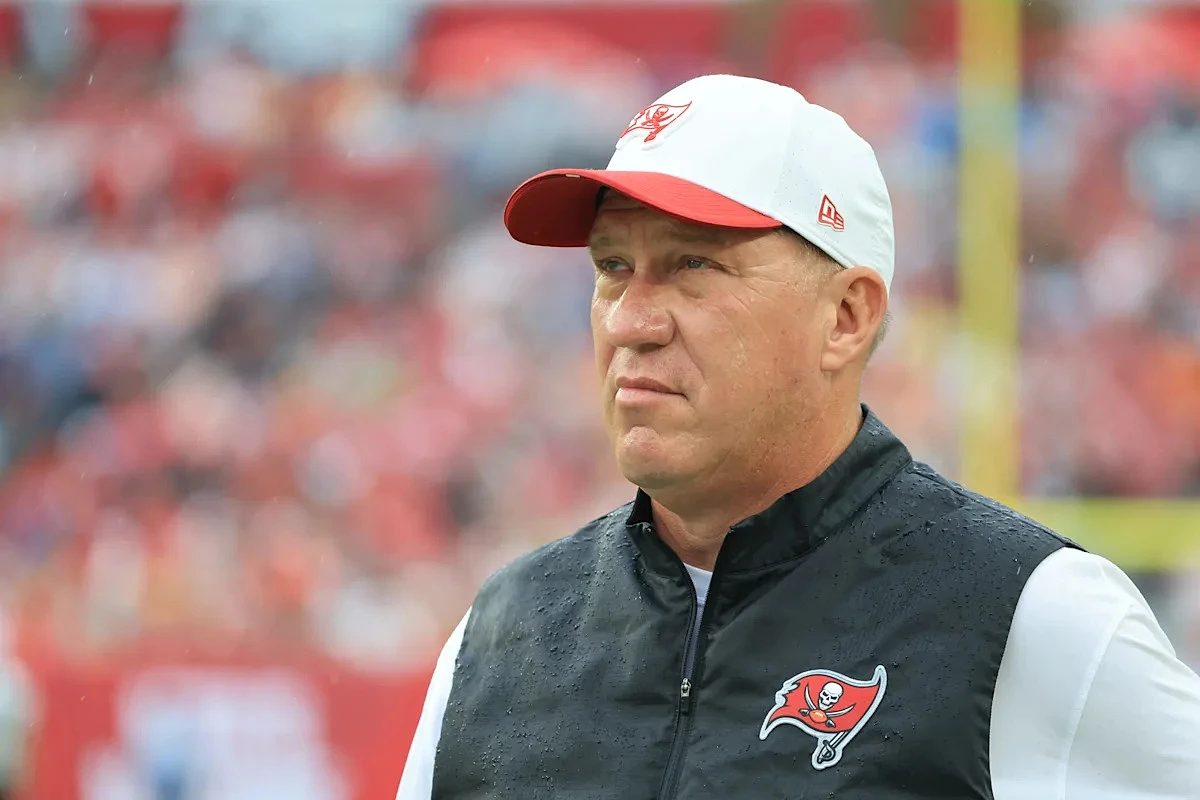
The Tampa Bay Buccaneers hold the No. 15 overall pick in the 2026 NFL Draft, a position that offers both opportunity and a critical strategic choice. Should they stand pat, trade up for a game-changer, or move back to accumulate more picks? While the allure of a splashy move up the board is strong, there's a compelling case for the Buccaneers to trade down and build for the future.
Much of this hinges on how the board falls. If the elite tier of defensive prospects, especially at the premium edge rusher position, is gone by pick 15, the value of staying put diminishes. Trading back becomes a savvy move to recoup draft capital while still selecting a player from a similar talent tier. In a draft deep at positions like EDGE and linebacker, extra picks are invaluable for injecting cost-controlled, developmental talent into the roster.
This strategy aligns perfectly with Tampa Bay's current roster construction. The team doesn't have a single glaring hole but several key areas to address. The retirement of Lavonte David leaves a void at linebacker, the cornerback room lacks long-term answers, and the departure of Mike Evans creates a need for a new big-play receiver. Add the perennial need for pass rush, and seven total picks suddenly feels insufficient.
By sliding down into the late first or early second round, the Bucs could add crucial Day 2 selections—historically the sweet spot for finding immediate contributors and future starters. This front office has a strong track record of identifying talent outside the top 15, developing players into core pieces rather than relying solely on first-round stardom.
Of course, executing a trade requires a willing partner. Teams desperate for a quarterback or looking to leapfrog competitors for a specific prospect could make Tampa Bay's pick highly valuable. If a run on quarterbacks or a surprise slide creates a bidding war, General Manager Jason Licht could find himself holding the keys to a draft-day haul that sets the franchise up for sustained success.