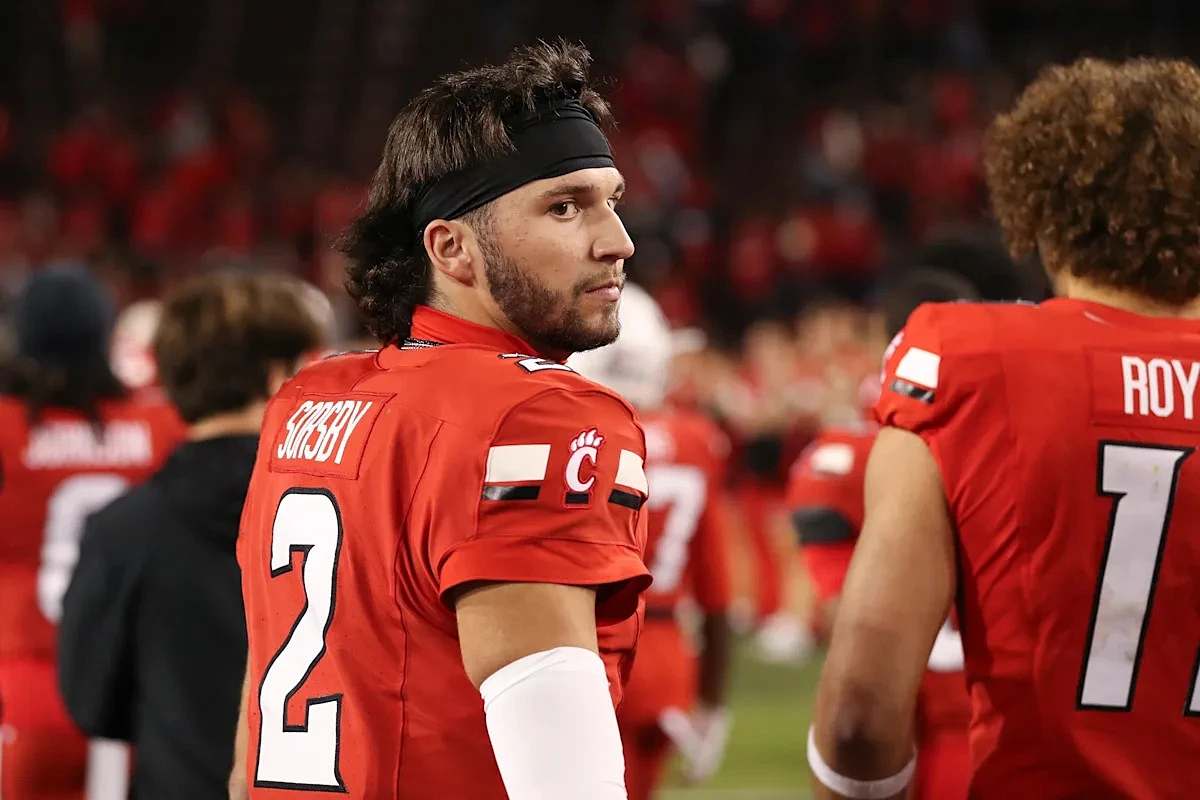


Ross DellengerSenior College Football ReporterTue, April 28, 2026 at 1:26 PM UTC·6 min readA $3 bet for the “over” to hit in a college football game.
A 50-cent bet for a “ball” on the next pitch of an MLB game.
Some bets made by Texas Tech quarterback Brendan Sorsby were less than a dollar; most of them not more than three figures.
But the thousands of tiny wagers Sorsby placed over four years — a total value of less than seven figures but not insignificant — has placed his future, as well as Texas Tech’s 2026 football season, in doubt.
Sorsby’s actions are at the center of an NCAA investigation that could result in the end of his college football career. His actions led to him seeking treatment for a gambling addiction, as announced Monday by the university.
One of the most sought-after players in the 2026 transfer portal, Sorsby’s situation gripped the college football world, churning up plenty of questions.
Did his former school, Cincinnati, know about this before his transfer in January?
Those from various camps spoke to Yahoo Sports about the industry’s most high-profile player gambling scandal in recent memory.
But before diving into unanswered questions on the situation, there are these facts to be had: Sorsby bet on MLB, the NFL and the NBA. But his biggest issue is a handful of bets he made on his own team, Indiana, during his freshman season there in 2022, where he attempted six passes in a single game played.
The NCAA’s stringent gambling policy includes “permanent loss of eligibility" for those wagering on their own team, even if they didn’t influence the game or play in it.
These bets on his own team were made four years ago. The timing of such wagers normally does not impact the NCAA’s punishment. In fact, there is precedent for the NCAA to ban Sorsby from ever playing again.
However, the first step in that process is for the enforcement staff to conclude its investigation. In order to complete that investigation, NCAA officials need to speak with Sorsby, which may not happen for a while as he’s in a treatment facility.
Less than two weeks ago, the NCAA contacted Texas Tech about the investigation, revealing troves of transactions of Sorsby’s online betting history. Treatment began after the NCAA revealed its findings, but at least two people contend that Sorsby did not place bets since arriving at Texas Tech.
After the enforcement staff concludes its investigation, the NCAA is likely to recommend that Sorsby, having bet on his own team, be deemed ineligible. In normal protocol, the school — in this case, Texas Tech — would rule Sorsby ineligible for his final season of eligibility in 2026 (what was supposed to be his first in Lubbock).
The next step in the process is Texas Tech filing for reinstatement of Sorsby’s eligibility — or at least a portion of it. A denial of such from the NCAA is certain to spark a legal challenge from Sorsby in a case that may even be backed by Texas Tech.
After all, the school is believed to be compensating Sorsby at $5 million this year. Ironically enough, the Red Raiders targeted Sorsby over others like Arizona State transfer Sam Leavitt for off-the-field reasons.
Now, he may need a local Lubbock judge to reclaim his eligibility.
If that fails, he’s likely to enter the NFL supplemental draft in June.
Cincinnati is declining comment about Sorsby’s situation. But several of those familiar with the situation and close to the quarterback believe that the university knew of Sorsby’s gambling exploits since at least last fall.
Avoiding reporting such knowledge to the NCAA is grounds for another investigation to be opened. Is there evidence that the Bearcats actually knew? NCAA enforcement officials are certain to pry around.