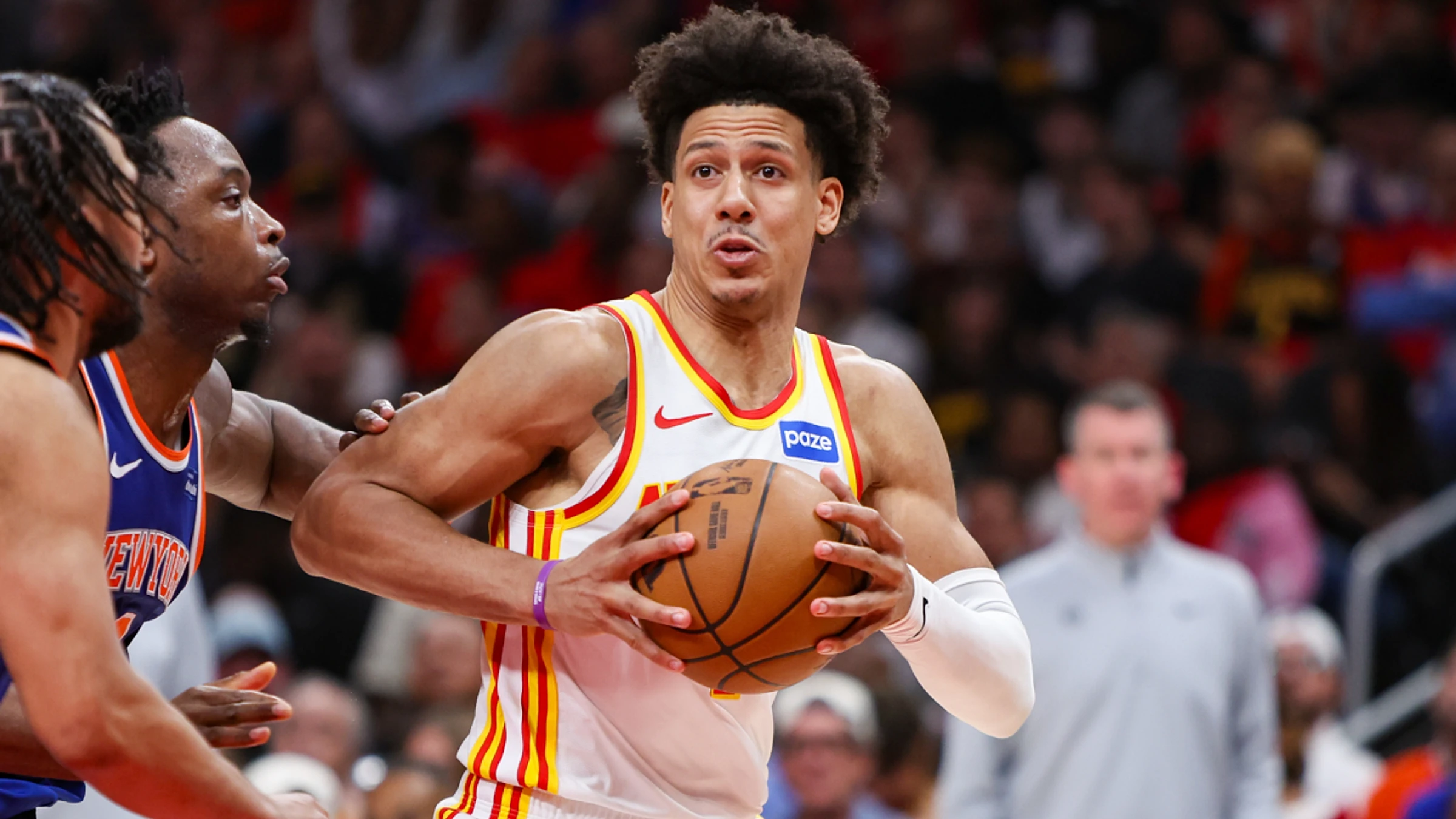
The Atlanta Hawks' season ended with a thud—a 47-point halftime deficit in a decisive Game 6 loss to the New York Knicks. But beneath the ugly finish lies something the franchise hasn't had in years: a clear identity and a promising future, even without Trae Young.
For seven seasons, the Hawks were defined by their star point guard's limitations. Young's game doesn't lend itself to defensive intensity, off-ball movement, or catch-and-shoot opportunities. The formula was simple and effective—run dozens of pick-and-rolls, build the offense around his strengths—but it came with a ceiling. From 2021 to 2024, Atlanta ranked in the bottom third of the league in passes per game and never posted an above-average defense with Young on the floor. The style worked, but it was limiting.
Everything changed when an early-season injury sidelined Young. The Hawks unlocked a new gear: they jumped to ninth in passes, cracked the top 10 in defense, and rebuilt their offense around transition. Only the Clippers were more efficient in the open floor, and few teams spent a larger share of their possessions running. Atlanta fully committed to this reinvention, trading Young to Washington and betting on a faster, more collaborative style.
But the playoffs exposed the growing pains. Through five games against the Knicks, only the Pistons, Magic, and Trail Blazers had less efficient offenses. The Hawks' fast-break points dropped from 18 per game to 13, and their passing plummeted from 295 passes per game to just 257—only the Thunder and 76ers moved the ball less.
Why the drop-off? The Knicks were a nightmare matchup for a transition-heavy team. New York rarely turns the ball over, and their elite offensive rebounders crash the glass without sacrificing defensive transition. Only three teams allowed a lower percentage of opponent plays in transition. The Knicks thrived in the slower, more methodical postseason style—and the Hawks, still learning their new identity, couldn't keep up.
This season wasn't a failure; it was a foundation. Atlanta picked a direction, and now they'll add a valuable asset in the draft lottery. The future is promising—it's just not built around Trae Young anymore.