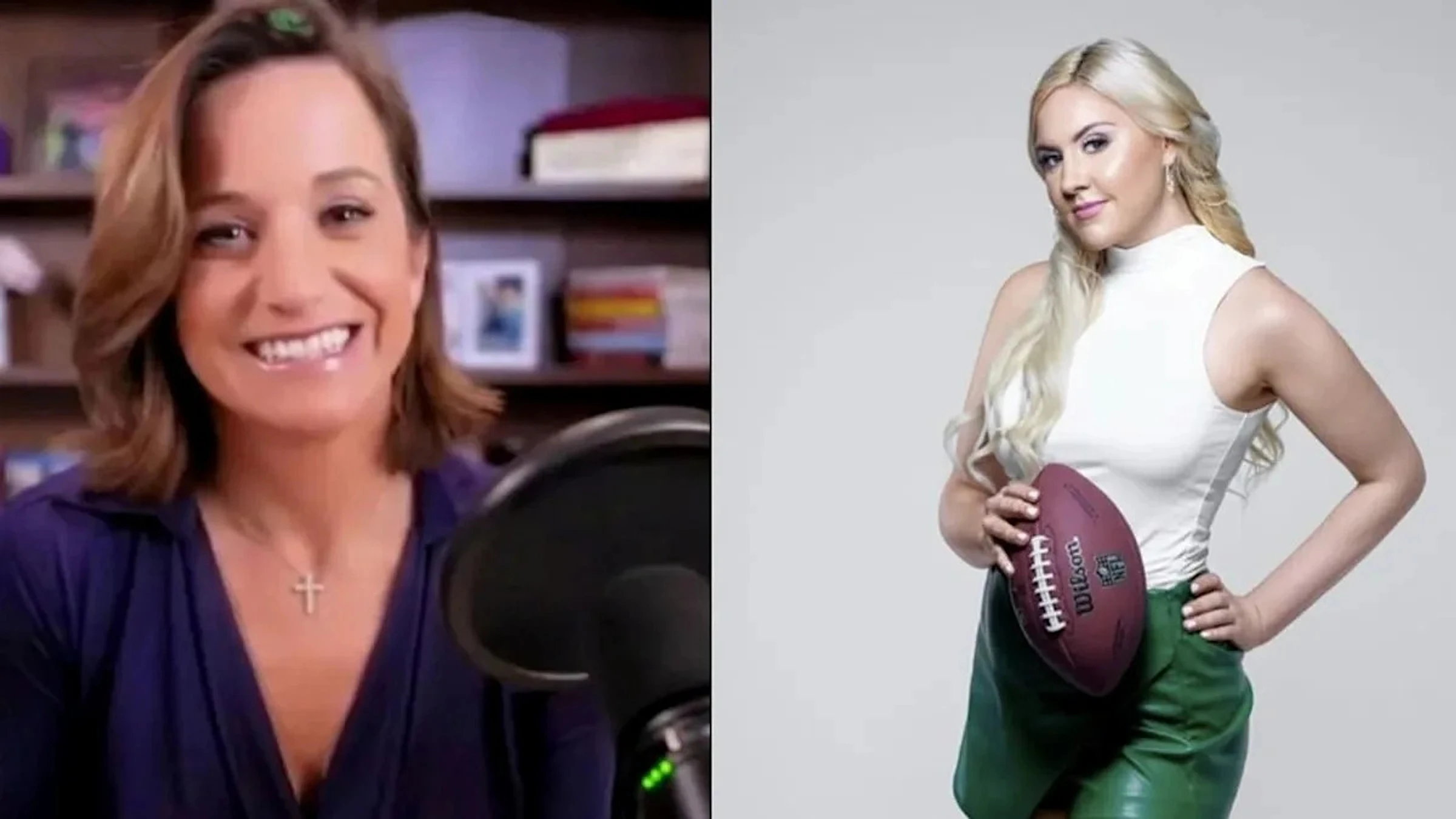
The NFL media landscape is often as dramatic as the games it covers, and a recent controversy has added another layer of intrigue. It started with leaked photos of ESPN reporter Dianna Russini and then-Titans coach Mike Vrabel at a resort, leading to Russini's resignation and Vrabel's eventual firing. But the fallout didn't stop there, creating a complex scoreboard of professional consequences.
The latest development involves reporter Crissy Froyd, who was fired by USA Today Sports for her social media reaction to Russini's departure. In a blunt post on X, Froyd suggested Russini's alleged conduct harmed women in sports who had built their careers "the right way," while also making unverified claims about Russini's reputation within NFL media circles.
While Froyd's personal beliefs are her own, media organizations operate under strict standards. USA Today swiftly terminated its contract with Froyd, stating her public statements violated the company's principles of professionalism and ethical conduct. On the surface, this is a standard corporate decision—outlets cannot endorse unverified allegations from their contributors.
However, the situation grows murkier upon closer inspection. Just days before Froyd's dismissal, USA Today had already published a vetted opinion column by Nancy Armour. That column argued that Russini's actions had jeopardized the credibility of women in sports journalism, albeit without the specific, unverified claims made in Froyd's social media post.
This contrast highlights the fine line in sports media between professional critique and public allegation. Armour's piece went through a formal editorial process, while Froyd's comments were an immediate, unfiltered reaction. The outcome underscores a critical lesson for anyone in the public eye: the platform and the process matter just as much as the message.
For fans following this saga, it's a reminder that the stories behind the headlines often involve complex judgments about professionalism, credibility, and the evolving rules of engagement in the digital age. As the NFL season continues, the focus will return to the field, but this episode adds another chapter to the ongoing narrative about media, ethics, and the price of public commentary in the sports world.