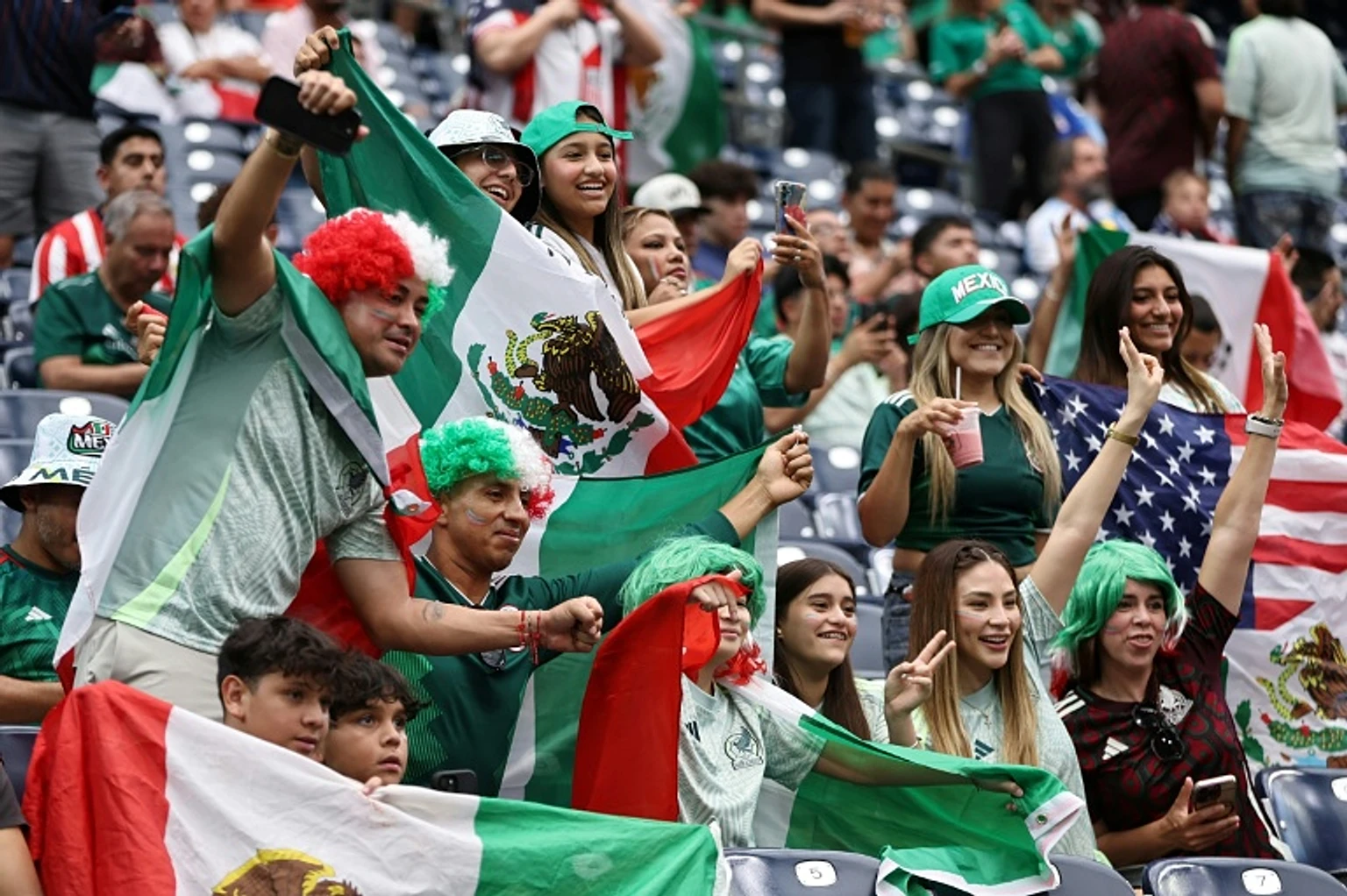
For most national soccer teams, hosting a tournament is a golden ticket—a roaring home crowd, familiar turf, and a psychological edge over opponents. But for the United States men's national team, playing on home soil can feel like an away game.
Picture this: the Gold Cup final last year in Houston, where a stadium packed with Mexico fans drowned out the few American voices. Or the semi-final in St. Louis, a sea of light blue as Guatemala supporters took over. These scenes weren't isolated—the US-hosted Copa America a year earlier told the same story. For a team gearing up to co-host this summer's World Cup, it's a sobering reality.
Documentary filmmaker Rand Getlin, who spent four years embedded with the US team for an HBO series, says the lack of home support cuts deep. "It devastates them. It hurts them. It makes them sad. They're disappointed in themselves for not giving fans more to cheer for," Getlin told AFP. "They're like, 'I want to go out and do something spectacular with this men's national team at the World Cup, so we can change the way the sport is viewed in this country forever.'"
Getlin's five-part series, aptly titled "U.S. Against the World," offers a raw look inside the lives of stars like Christian Pulisic and Weston McKennie. It traces their journeys from humble beginnings in a soccer-skeptical America to dazzling success at Europe's top clubs. The series also captures the emotional fallout of Gregg Berhalter's firing and the arrival of new head coach Mauricio Pochettino—less than two years before the World Cup.
Pochettino, the Argentine former Tottenham Hotspur manager, quickly noticed the contrast after a Gold Cup clash. "That is the connection that we would like to see in the World Cup. That connection that makes you fly," he said, reflecting on the "unbelievable" energy from Guatemala's fans. "To see them, how they fight, how the fans behave, that is an important thing that we need to learn in this country."
Soccer has boomed across North America over the past decade, but fan loyalty often gravitates toward glamorous European clubs rather than the home team. For US players, the challenge is clear: win over a nation that's still learning to cheer for them. As Getlin puts it, "In order to cheer for this team, you have to know and care about them before the tournament kicks off." With the World Cup on the horizon, the clock is ticking to build that bond—and rewrite the story of American soccer.