The 2026 FIFA World Cup is poised to be a landmark event, returning the beautiful game to North America for a historic celebration across the United States, Canada, and Mexico. It's projected to shatter all previous revenue records. But as the tournament approaches, a critical question emerges: at what cost to the sport's soul?
Beyond the business, the World Cup is a global cultural phenomenon, a unifying spectacle built on passionate fan engagement. There's a growing concern that the 2026 edition risks alienating its core audience by becoming prohibitively expensive. The warning signs are flashing, centered on a major pain point: unprecedented ticket prices.
For the first time, FIFA has implemented dynamic pricing, sending costs soaring. Premium seats for the final have skyrocketed to nearly $11,000—a far cry from the $1,600 price tag in 2022. Even mid-tier tickets run into the thousands. Fans have reported confusion over seating allocations, feeling misled by initial category maps. The resale market has exacerbated the issue, with budget tickets originally priced around $60 now listed for over $2,000 on FIFA's own platform, which collects fees on both sides of the transaction.
While FIFA introduced a limited $60 "entry tier" in response to backlash, its constrained supply highlights the broader problem. Attending a World Cup match is transforming from a mass experience into a luxury one.
This perception is compounded by staggering ancillary costs, particularly transportation. In the New York/New Jersey region, home to the final at MetLife Stadium, a round-trip train fare from Manhattan could surge to over $100—a more than 700% increase from the current $13 fare. When combined with soaring accommodation and hospitality prices, the total cost of attendance becomes a significant barrier for the average supporter.
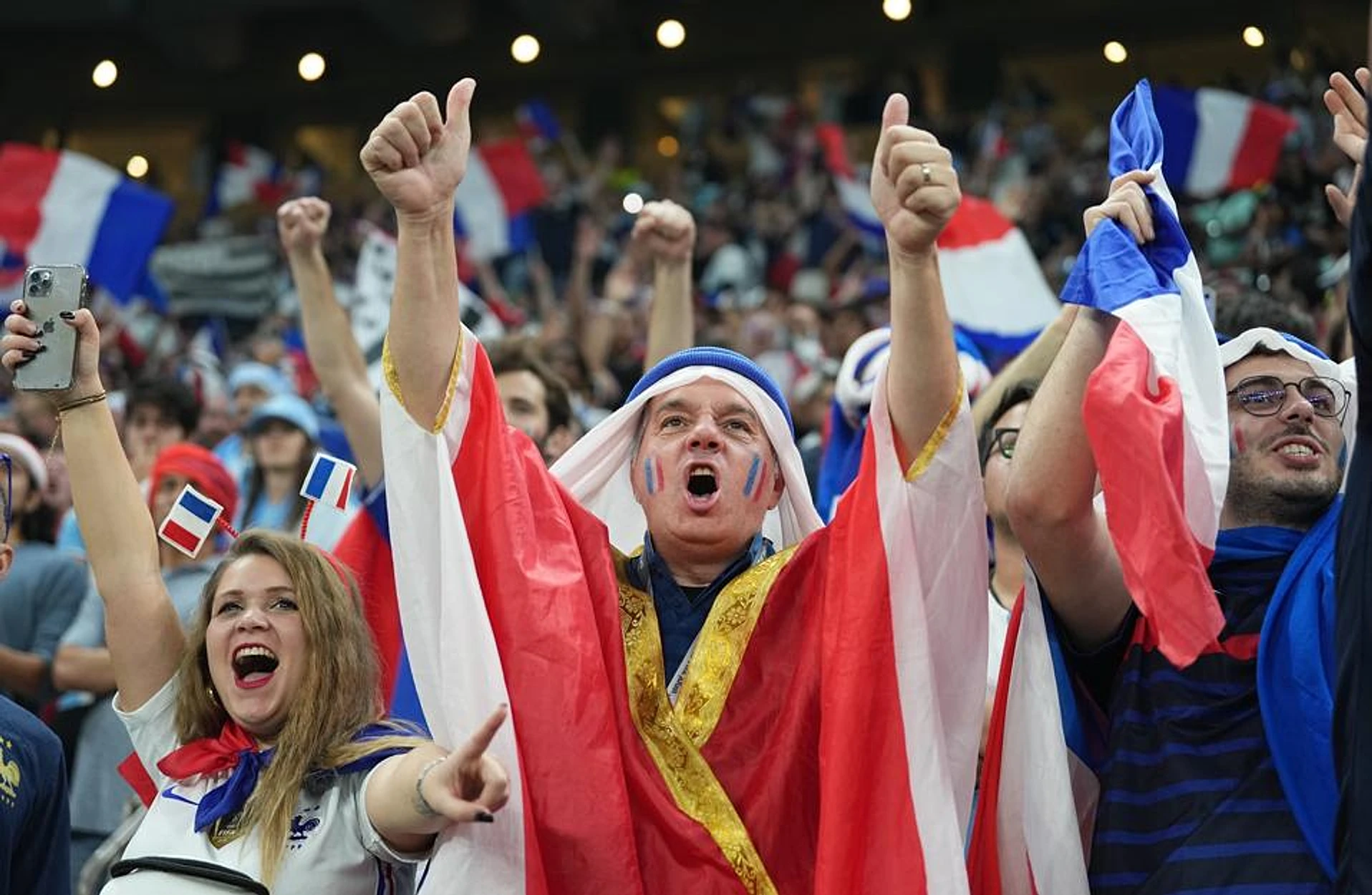
The essence of the World Cup lies in its electric stadium atmospheres and the diverse, roaring crowds that create them. If the tournament prices out the passionate, vocal fans who are the heartbeat of the sport, it risks losing the very magic that makes it the world's greatest sporting event. The commercial success must be balanced with preserving the accessible, communal spirit that defines football culture.