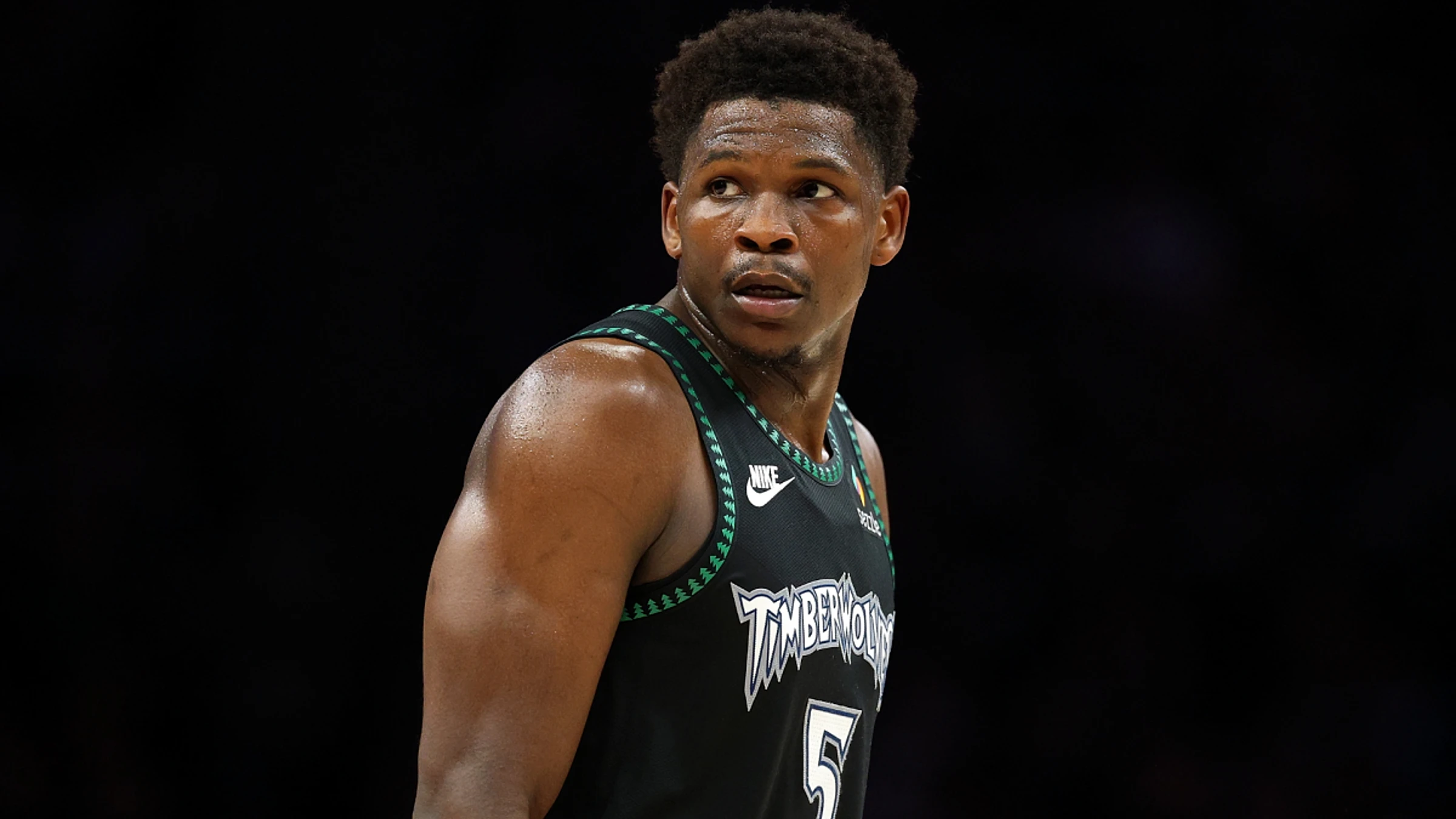
The Minnesota Timberwolves have become the NBA's ultimate playoff overachievers—but can they ever actually become champions? For three consecutive seasons, this team has defied expectations in the postseason. Their stunning 2024 upset of the Denver Nuggets remains one of the most thrilling playoff series in recent memory. They reached the Western Conference Finals as a No. 6 seed last year, and this season they once again took down Nikola Jokić in the first round before falling to Victor Wembanyama and the San Antonio Spurs in six games during the second round. There's clearly something special in this team's DNA when the lights shine brightest. They are playoff risers.
But as a collection of individuals, the Timberwolves have increasingly looked outgunned. Minnesota's one legitimate championship window opened in 2024. They had home-court advantage in the Western Conference Finals. They'd pushed the eventual champion Celtics to overtime twice during the regular season and held a 3-1 record against Dallas. Then Karl-Anthony Towns hit the most disastrously timed slump of his career. He shot just 15-of-54 in Games 1, 2, and 3 against the Mavericks. That gave Luka Dončić just enough room to steal three single-digit victories. Minnesota couldn't recover. The Mavericks went on to reach the 2024 NBA Finals.
Months later, Towns was gone. Julius Randle, Donte DiVincenzo, and a first-round pick arrived in a move that felt financially motivated. Minnesota balked at paying Towns supermax money alongside Anthony Edwards and Rudy Gobert's max deals, with a looming Jaden McDaniels extension on the horizon. The ups and downs of Towns' journey with the Knicks have been well-documented. At various points, Minnesota was declared the clear winner of that trade.
Yet the Timberwolves have faced an undeniably Towns-shaped hole in their lineup during their last two playoff exits. In last year's Western Conference Finals against Oklahoma City, the two competitive games were decided by less than 25 points in the Thunder's favor. Randle scored just 11 combined points in those contests. Through the first five games of Minnesota's loss to San Antonio this season, Edwards was the only Timberwolf averaging more than 15.2 points per game. Randle, brought in to replace Towns, managed just 14.8.
Beating Oklahoma City last year and San Antonio this year wasn't realistic for this version of the Timberwolves. The question now is what moves can they make to close the gap and finally become the team that doesn't just exceed expectations—but exceeds them all the way to a championship.