For decades, the NCAA has promised leniency to coaches who come forward and cooperate. But in practice, honesty has become a career-ending trap—while those who dodge, deceive, or disappear walk away unscathed.
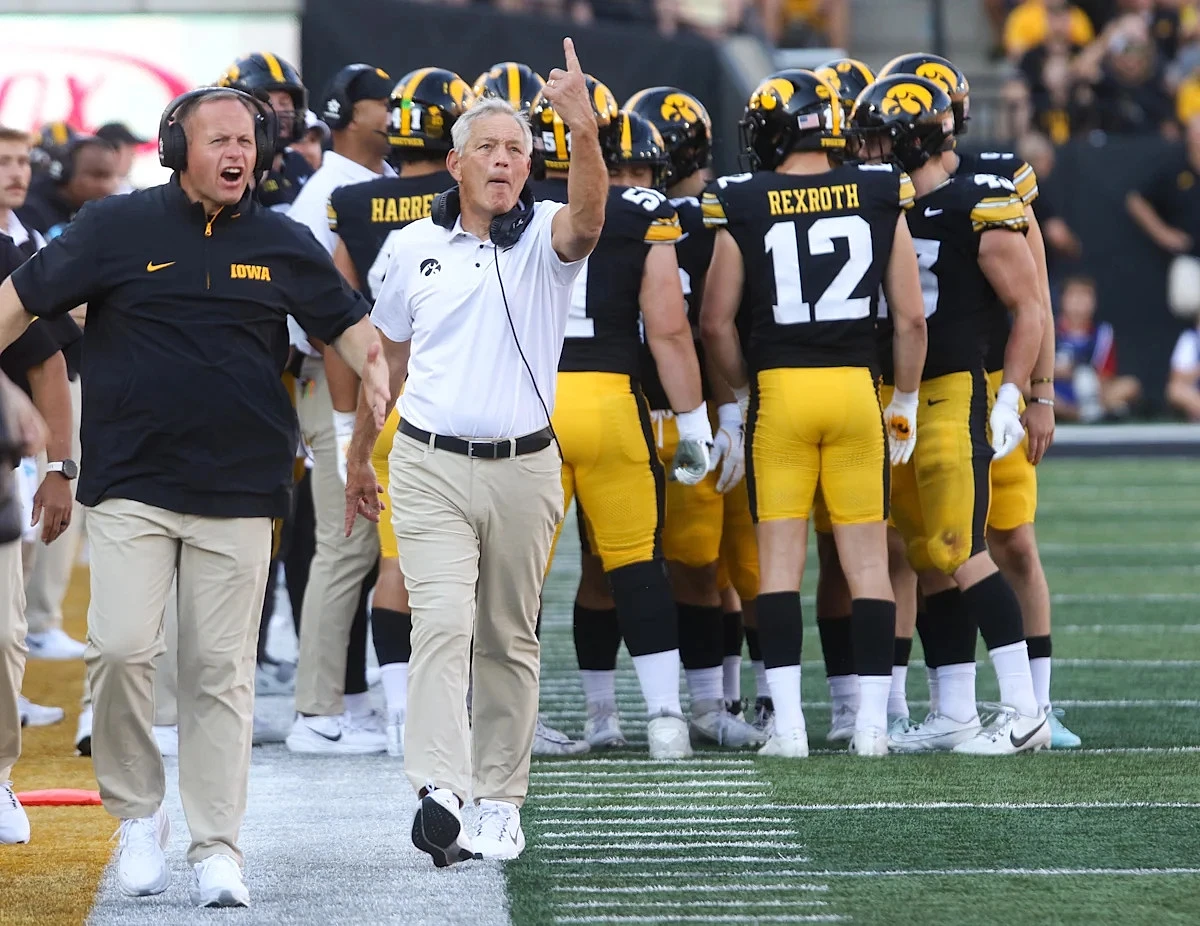
Take Kirk Ferentz, for example. The Iowa head coach self-reported a tampering violation, imposed his own suspension, and took full responsibility. The NCAA's response? They vacated four wins and slapped an asterisk on his all-time record. It's a move so baffling that it almost makes you feel sorry for a rival coach.
This isn't an isolated incident. It's a pattern that's been playing out in college football for four decades, and it's finally getting the attention it deserves.
Here's how the system works: A coach discovers a problem, reports it honestly, and cooperates fully. In return, he loses everything—his buyout, his reputation, and his career. Meanwhile, the coaches who cover up violations, stonewall investigators, or flee to the NFL face little to no personal consequence.
Jeremy Pruitt cooperated with investigators. He received a six-year show cause penalty and lost a $12.6 million buyout, while Tennessee avoided a bowl ban and pocketed millions. Jim Tressel concealed violations for months, signed a false compliance certification, and walked away to a university presidency. Pete Carroll left for Seattle just before the NCAA finished its USC investigation—and went on to win a Super Bowl.
The NCAA's enforcement system isn't broken. It's working exactly as designed—rewarding institutional self-interest while punishing individual honesty. Coaches like Jim Wacker figured this out in 1985. Nearly forty years later, the lesson remains the same.
For a deeper dive into six coaches across four decades, check out the full breakdown on the Hardcore College Football History YouTube channel. It's a must-watch for any fan who's ever wondered why the good guys keep losing.