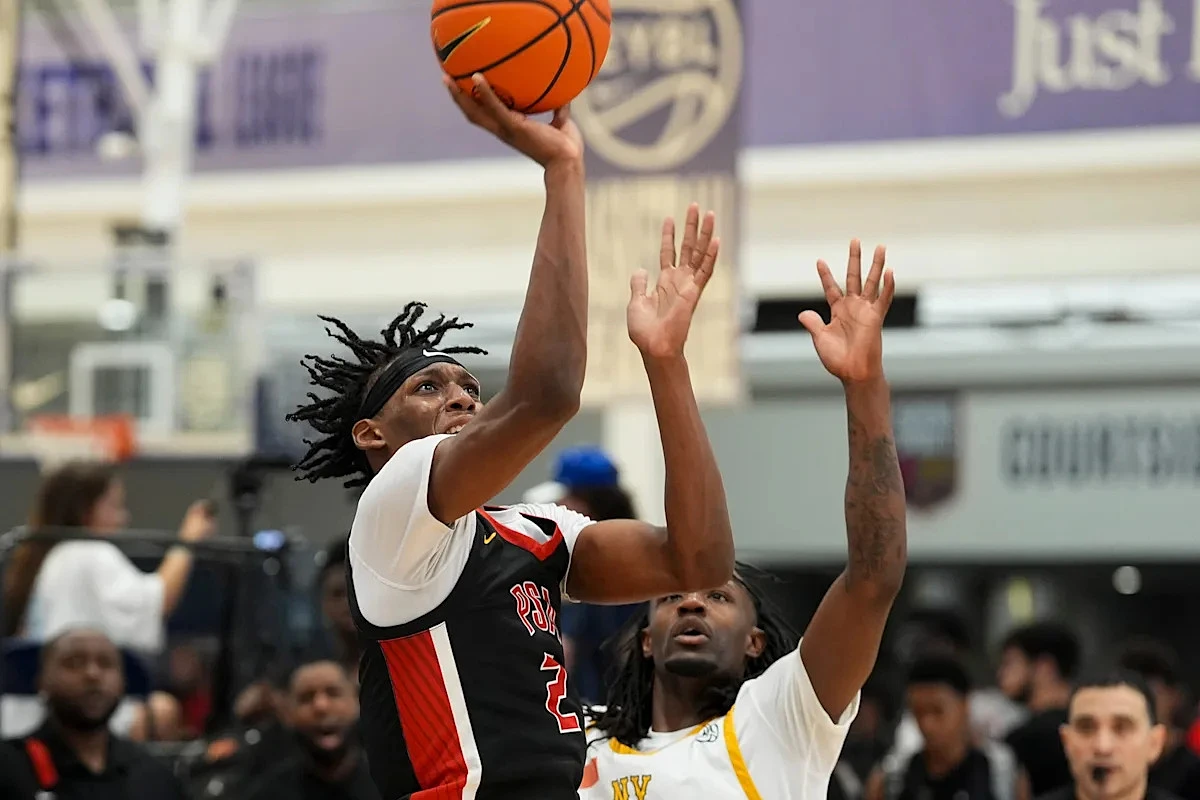
The North Carolina Tar Heels' decision to part ways with five-star incoming freshman Dylan Mingo sent shockwaves through college basketball. With a depleted backcourt, the move seemed counterintuitive. However, a deeper look reveals a calculated pivot by the new coaching staff, driven by a trio of significant concerns: injury history, shooting consistency, and a strategic shift in NIL investment.
UNC's guard room underwent a massive exodus this offseason, losing key players to graduation and the transfer portal. This created a glaring need for backcourt talent, making the choice to release a highly-touted recruit like Mingo all the more surprising to fans.
According to program insiders, the evaluation went beyond the star rating. Mingo missed most of his senior high school season with an ankle injury, raising immediate red flags about his durability. Furthermore, scouts questioned his ability to stretch the floor at the collegiate level, pointing to a 23% three-point shooting clip in elite AAU competition and unorthodox shooting mechanics.
These basketball concerns were compounded by financial strategy. In the new era of Name, Image, and Likeness (NIL), allocating resources is as crucial as evaluating talent. Reports suggest Mingo's expected NIL valuation was substantial, and the new UNC staff, led by Michael Malone, appears to be prioritizing proven commodities over high-risk, high-reward freshmen.
As one analyst noted, the combination of a significant financial commitment and lingering questions about health and fit made the partnership untenable. The decision underscores a modern reality in college sports: roster construction is now a complex blend of scouting, medical evaluation, and financial planning.
Instead of banking on a rehabilitating freshman, the Tar Heels are now expected to aggressively pursue a seasoned, reliable guard from the transfer portal—a player who can immediately stabilize the lineup and provide the backcourt leadership this team desperately needs.