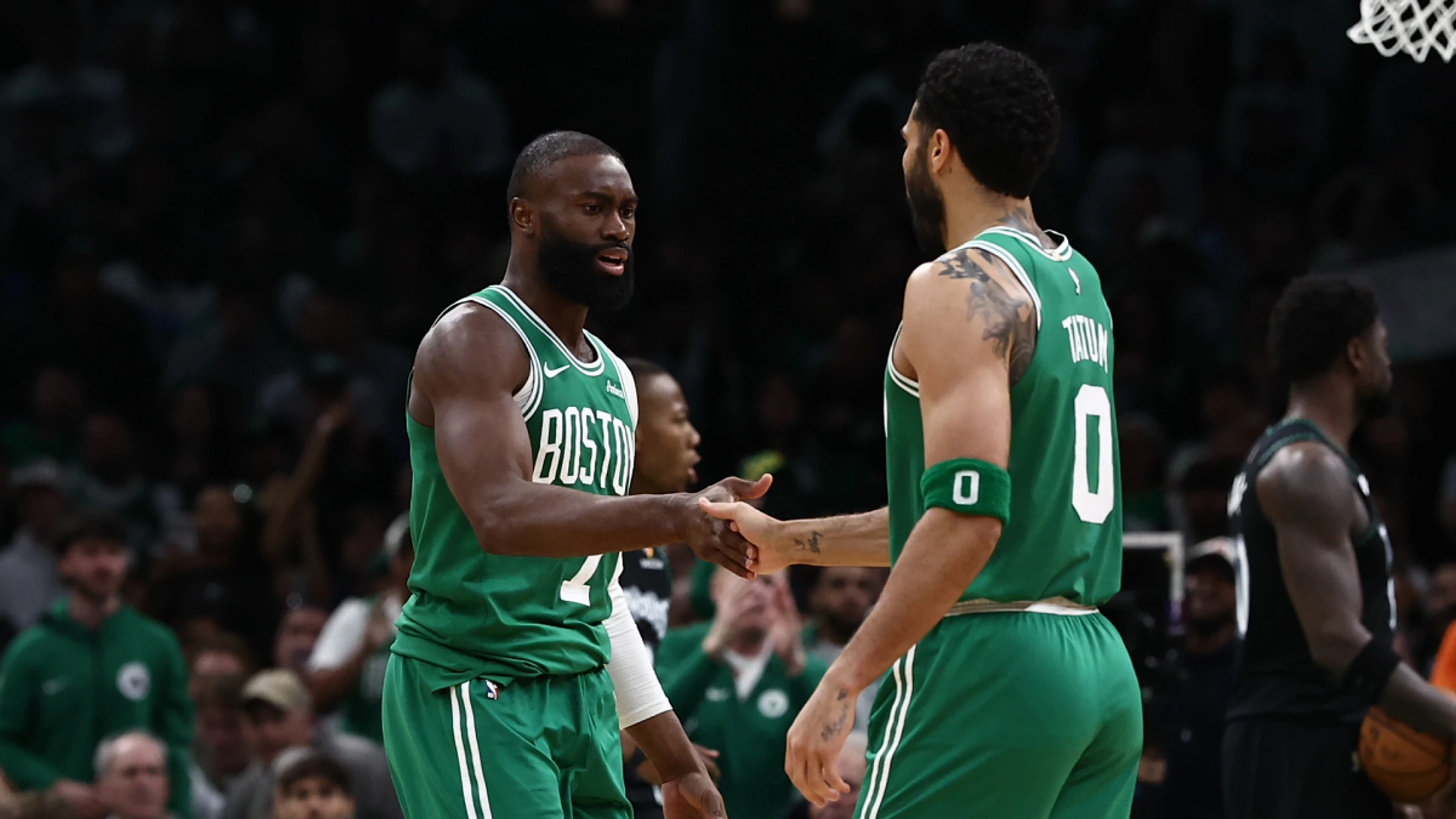
The Celtics overachieved all season, but their collapse against the 76ers raises big long-term questions
Rewind to October. Jayson Tatum was recovering from a torn Achilles and expected to miss the entire season. Half of last year's rotation had moved on. In some corners of the internet, the Boston Celtics were expected to take a gap year, much like the Indiana Pacers. By that measure, pushing a playoff series to Game 7—any playoff series—could be considered an organizational win. But this doesn't feel like a win. It feels like a missed opportunity.
The Celtics are a victim of their own success. If they had won 46 games instead of 56, no one would be questioning how their season ended. Instead, Jaylen Brown turned in a career year. The basketball nerd community rallied around Derrick White, spreading his gospel far and wide. Tatum made a historic return from that Achilles tear, and Boston quickly cemented itself as Eastern Conference favorites. Their playoff run began against the Philadelphia 76ers, a team they had beaten in three separate postseason series. The 76ers were supposed to be a stepping stone to a more meaningful rematch with the Knicks. That matchup felt preordained when Boston took a 3-1 series lead.
That was six days ago. After Philadelphia's Game 7 win on Saturday night, Boston's season is over. Three straight losses—two of which Tatum played in—turned a once-promising season into a borderline disaster. Ironically, a gap year would have made for a simpler offseason. You can shrug off bad losses when you're not trying to win. But the Celtics spent an entire year convincing the world, and likely themselves, that they were still capable of winning—not just in the regular season, but in the playoffs. Losing to a Play-In team, especially this Play-In team, raises serious questions.
Boston has been dominating Philadelphia for nearly a decade. If the Celtics are suddenly vulnerable against them, does that mean they're vulnerable against everyone else? Are these minor, fixable flaws, or is it time to consider something more drastic? Let's break down what went wrong and what steps are needed to get the Celtics back on track for genuine championship contention.
The Celtics are built to win the math problem. The fundamental principles of their game—spacing, shooting, and defensive versatility—are sound. But when the math doesn't add up in the playoffs, the questions become harder to answer. Trading for Giannis Antetokounmpo might seem like the obvious solution, but it's not that simple. The road back to contention requires more than a blockbuster move; it demands a clear-eyed look at the roster, the system, and the culture. For now, Boston is left to wonder what could have been—and what comes next.