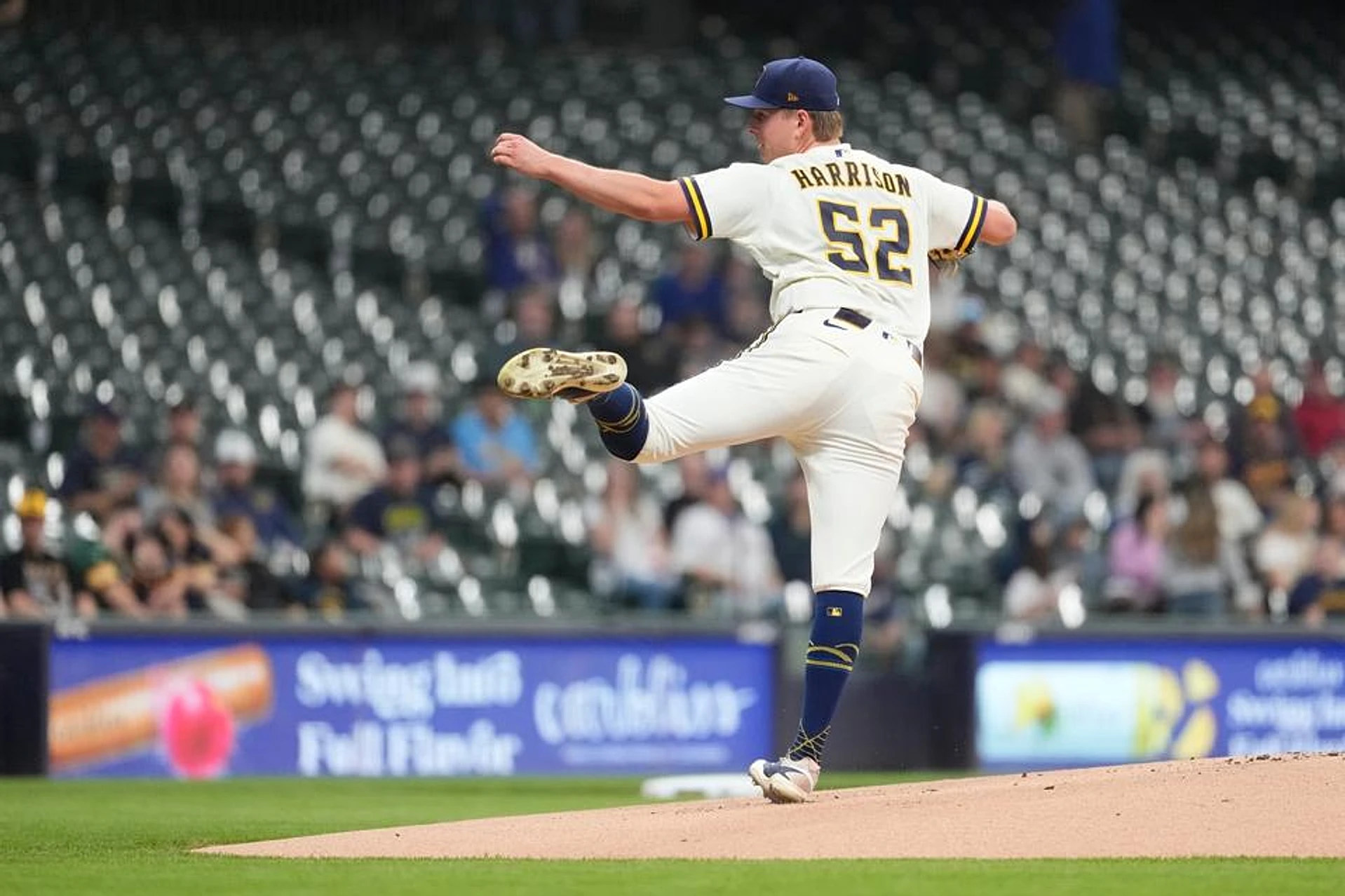
The Milwaukee Brewers are a masterclass in consistency, a franchise that has perfected the art of winning on a budget. While the faces in the dugout may change, the results remain remarkably constant, making them a fascinating case study in sustainable team building and a perennial thorn in the side of big-market rivals.
For Brewers fans, the formula is both thrilling and bittersweet. The thrill comes from year-after-year contention, a testament to the organization's elite drafting and player development. The bittersweet reality? Don't get too attached to the stars. Once homegrown talents like Josh Hader, Corbin Burnes, and the recently traded Freddy Peralta approach free agency and their market value skyrockets, they are often dealt for future assets. It's a disciplined cycle: develop, excel, and then trade for the next wave of talent.
So how do the Brewers keep the engine running? They are masters of the early extension, locking down cornerstone talent long before they hit the open market. The prime example is Jackson Chourio, who signed an eight-year, $82 million deal before ever playing a Major League game. They've just employed the same strategy with Triple-A shortstop Cooper Pratt, securing him for eight years. This forward-thinking approach ensures cost certainty and keeps a core intact.
Their success isn't just about contracts; it's rooted in a deep and talented farm system that consistently replenishes the roster. Even after graduating stars, the Brewers' pipeline remains stocked, ready to fill the next void. It’s a self-sustaining model that many teams envy but few can replicate.
This relentless cycle of development and savvy decision-making is why the Brewers continue to win. They prove that in baseball, a sharp front office and a clear vision can be just as powerful as a massive payroll, making them one of the most compelling and well-run organizations in the sport.