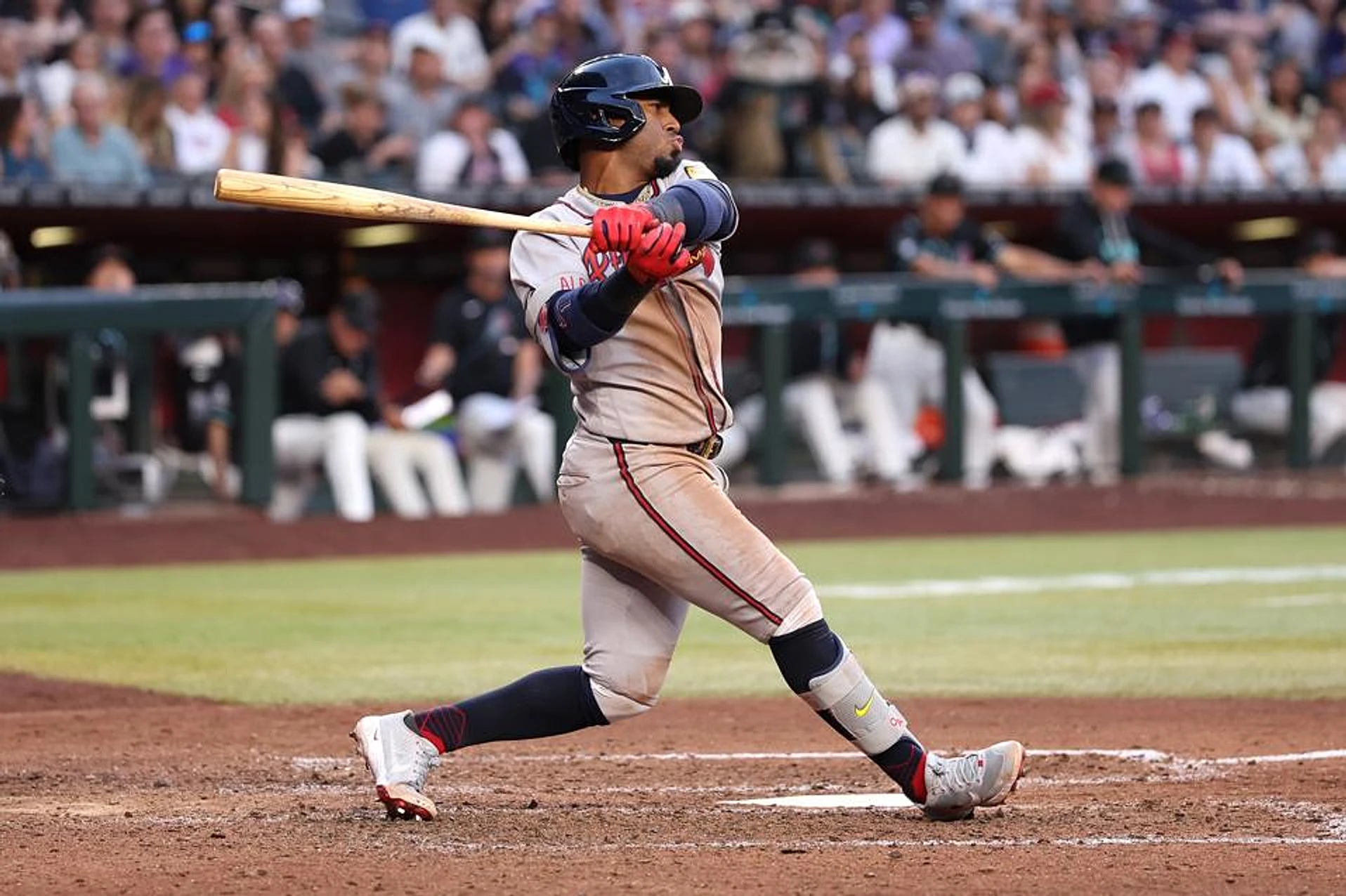
In a game that perfectly encapsulated modern baseball's unpredictable drama, the Atlanta Braves unleashed an eight-run fifth inning against the Arizona Diamondbacks, fueled by overturned calls and defensive miscues, en route to a dominant 17-2 victory last Thursday. What began as a tight 2-1 contest unraveled into a showcase of how replay challenges and shifting momentum can redefine a game in an instant.
The pivotal sequence started with Braves second baseman Ozzie Albies. Down to his final strike on a 3-2 count, Albies signaled for an Automated Ball-Strike (ABS) challenge. The call was overturned, turning a strikeout into a walk and setting the stage for chaos. This single decision flipped the script entirely, proving how a millimetric difference can ignite a rally.
After a lineout, a walk to Dominic Smith loaded the bases for a fateful grounder to Diamondbacks' veteran third baseman Nolan Arenado. The ten-time Gold Glover, a defensive stalwart, uncharacteristically booted the ball, keeping the bases loaded. It was a moment that begged the question: in an era of heightened defensive shifts and analytics, do even the surest hands feel the pressure?
The Braves then capitalized on another critical review. Ronald Acuña Jr. drew a walk to force in a run, and catcher Drake Baldwin followed with a grounder that initially resulted in an inning-ending double play. Atlanta challenged the play at first base and won, erasing the double play and plating another run. Two overturned calls had now directly extended the inning and multiplied the damage.
With new life, the Braves' lineup erupted. Matt Olson laced an RBI double, and after a pitching change, Austin Riley smashed a two-run double down the line. Ozzie Albies, batting for the second time in the inning, dropped a soft flare into left field for another RBI, capping a relentless offensive barrage. The inning transformed a nail-biter into a blowout, demonstrating the explosive potential of a lineup that refuses to make an easy out.
Adding a final, almost surreal touch to the modern game spectacle, the Diamondbacks, facing a massive deficit, sent position player Jordan Lawlar to the mound in the ninth inning. It was a stark contrast to the high-leverage, high-velocity arms that define today's bullpens, underscoring the game's lopsided nature.
This contest was more than just a lopsided score; it was a case study in 2026 baseball. A single challenged strike call, a rare error from a defensive wizard, and a successful replay on a double play converged to create an inning of pure chaos. For fans, it's a reminder that in today's game, no lead is safe, no call is final until reviewed, and momentum can shift on the slightest of margins—a thrilling, if sometimes bewildering, evolution of the sport.