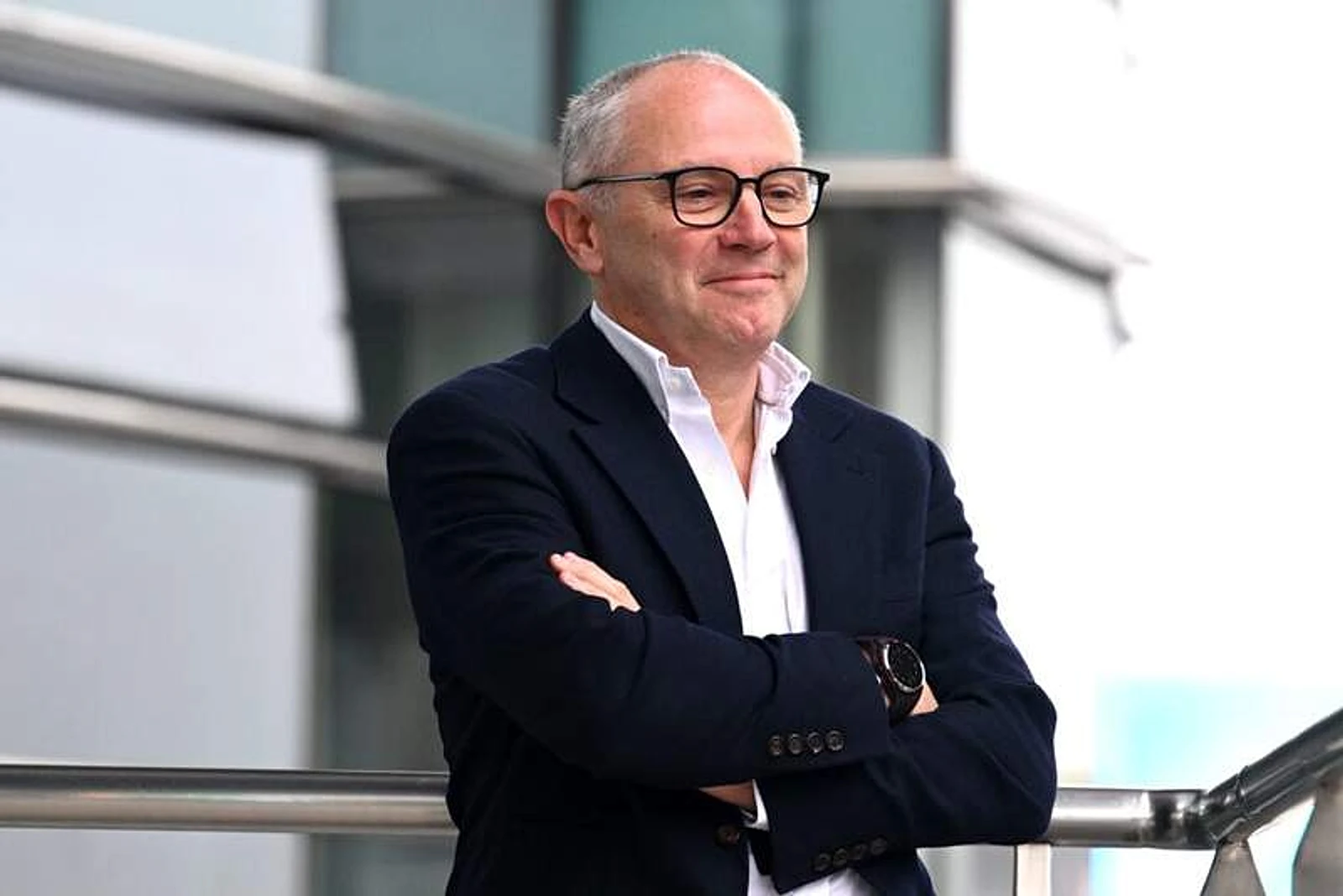
The high-speed world of Formula 1 is facing a crucial balancing act between innovation and safety. Following recent on-track incidents, including Oliver Bearman's crash at Suzuka, driver concerns over the upcoming 2026 technical regulations have intensified, putting the sport's governing bodies under the spotlight.
F1 CEO Stefano Domenicali has directly addressed these worries, acknowledging the importance of driver feedback while outlining the complex reality of altering the rulebook. He emphasized that while the FIA should always listen, any significant changes must navigate a strict governance structure requiring broad consensus.
The core challenge, as Domenicali explained, is timing and investment. Major manufacturers have already committed vast resources and years of development based on the established 2026 framework. "In this moment, to have a manufacturer that invests in Formula 1 is something incredible, which deserves our total respect," he stated, highlighting the risk of disrupting these crucial partnerships.
This means a major regulatory U-turn before the current governance period ends in 2030 is highly unlikely. Instead, the focus will be on the FIA coordinating with teams and manufacturers to refine the vision within the existing framework.
Looking beyond the immediate controversy, Domenicali shared his forward-thinking vision for the sport's future. He advocates for a shift towards lighter, more agile cars and a continued push for sustainable power units, with advanced sustainable fuels at the heart of the strategy. This aligns with F1's broader goal of maintaining cutting-edge performance while pioneering greener technologies for the automotive world.