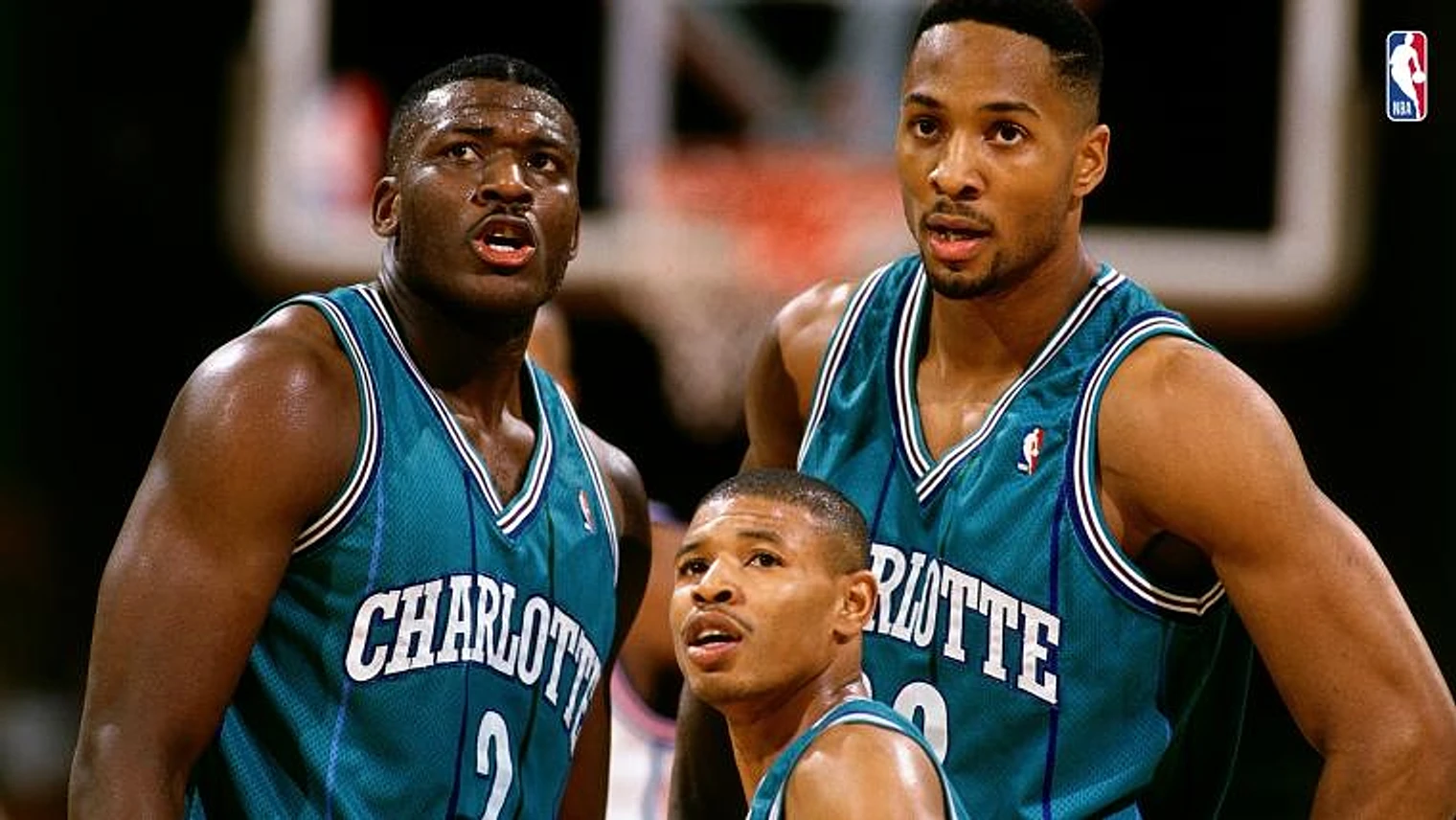
In the mid-90s NBA, few moves reverberated like the Charlotte Hornets' shocking trade of franchise cornerstone Alonzo Mourning to the Miami Heat. It was the blockbuster that launched the Pat Riley era in South Beach, but for Charlotte, it was the painful culmination of a massive financial miscalculation.
The story begins not with Mourning, but with his teammate, power forward Larry Johnson. After Johnson's electric Rookie of the Year campaign made him a Carolina icon, the Hornets' ownership, led by George Shinn, made a fateful decision. In 1993, with four years still remaining on Johnson's original deal, the team lavished him with a groundbreaking 12-year, $84 million contract, making him the highest-paid player in the league at the time.
This move, intended to secure a fan favorite, created an immediate and glaring problem. If this was the price for Larry Johnson, what would it take to keep the team's true defensive anchor and rising star, Alonzo Mourning? The Hornets had inadvertently set a market price they couldn't afford to meet twice.
Compounding the issue was the Charlotte Coliseum itself. Built in 1988, the arena lacked the modern luxury suites and premium seating that had become crucial revenue streams for other franchises. Despite strong attendance, the Hornets' financial ceiling was lower than their competitors'.
When Mourning's contract negotiations arrived, the Hornets' offer of $11.2 million per season fell short. The shadow of Johnson's massive deal loomed large, and Mourning, knowing his worth, wouldn't accept. With the collective bargaining agreement expiring and fearing they would lose him for nothing, Charlotte was forced into a trade in November 1995.
The deal sent Mourning to Miami, where he would become a defensive legend and champion. For the Hornets, it was a brutal lesson in cap management and roster construction—an $84 million decision that cost them a generational talent and altered the trajectory of the franchise.