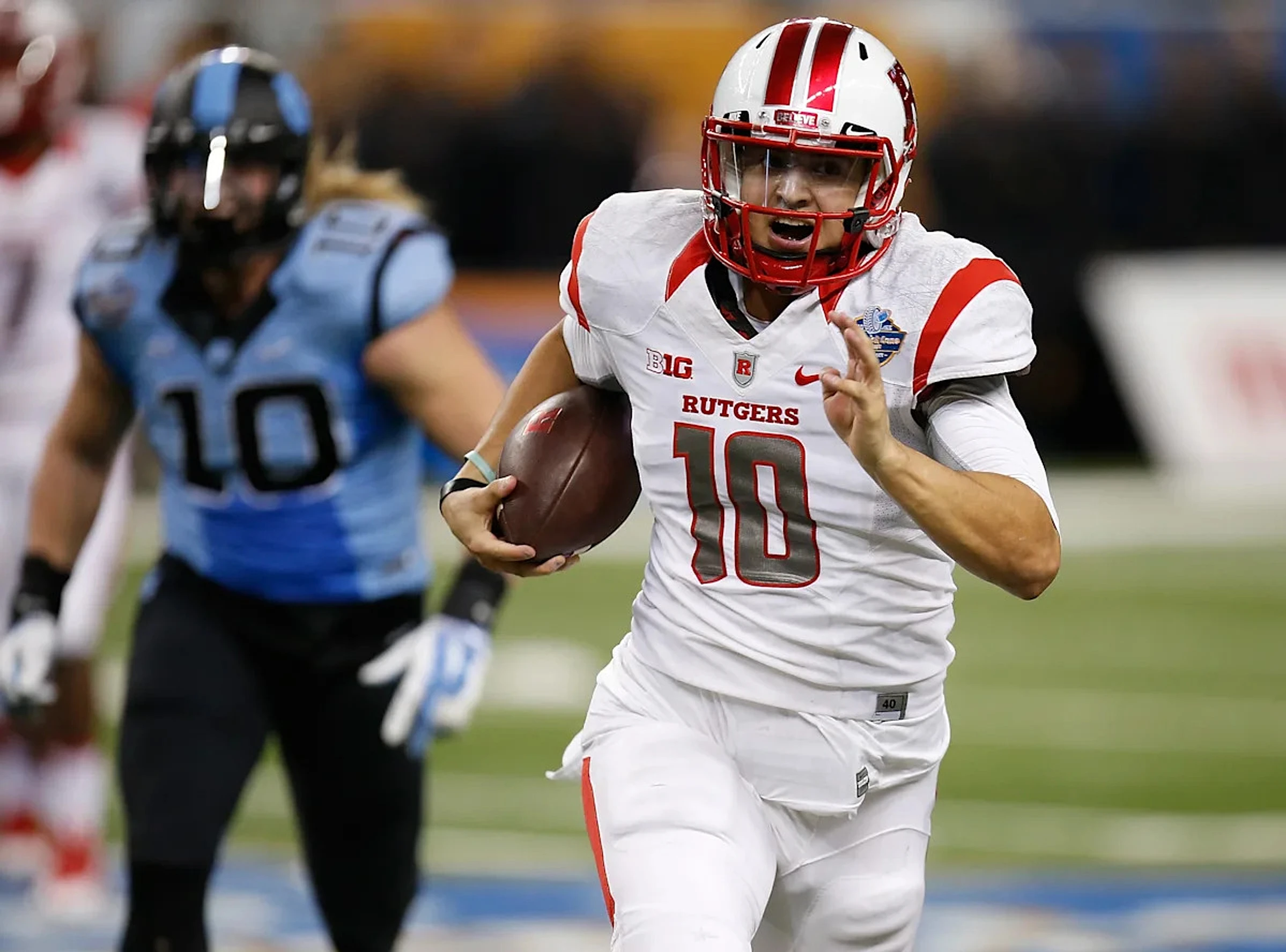
In the high-stakes world of Power Four college football, a program's ability to develop a homegrown quarterback is a true litmus test of its foundation. For Rutgers, that test has been ongoing for a decade and a half. According to a recent analysis, it has been roughly 15 years since the Scarlet Knights recruited a quarterback who signed out of high school, started for multiple seasons, and finished his career in Piscataway.
The last signal-caller to fit that bill was Gary Nova from the 2011 class, meaning Rutgers is enduring one of the longest such droughts in the Power Four. Only a handful of other major programs, including South Carolina, Auburn, and Oklahoma, have waited longer for a true homegrown QB to lead the offense from start to finish.
This extended gap highlights the challenges Rutgers has faced in both developing and retaining talent under center. The Chris Ash era, in particular, proved disastrous for quarterback development. Promising players like Chris Laviano and Artur Sitkowski saw their production and confidence plummet amidst the coaching turmoil, never establishing themselves as long-term solutions.
Sometimes, however, it's simply a matter of prospects not panning out as expected, regardless of the support system. Take Gavin Wimsatt, a former four-star recruit with all the physical tools. Despite playing under a proven QB developer in coordinator Kirk Ciarrocca and alongside a star running back like Kyle Monangai, Wimsatt struggled to put it all together. He ultimately lost the starting job to transfer Athan Kaliakmanis and departed for Kentucky, continuing a cycle of instability that has defined the position for years.
For a program building its identity in the rugged Big Ten, establishing a pipeline at the sport's most important position is paramount. As Rutgers looks to the future under Coach Greg Schiano, ending this lengthy quarterback drought will be a key step in solidifying the Scarlet Knights' resurgence and giving their passionate fanbase a homegrown star to rally behind.