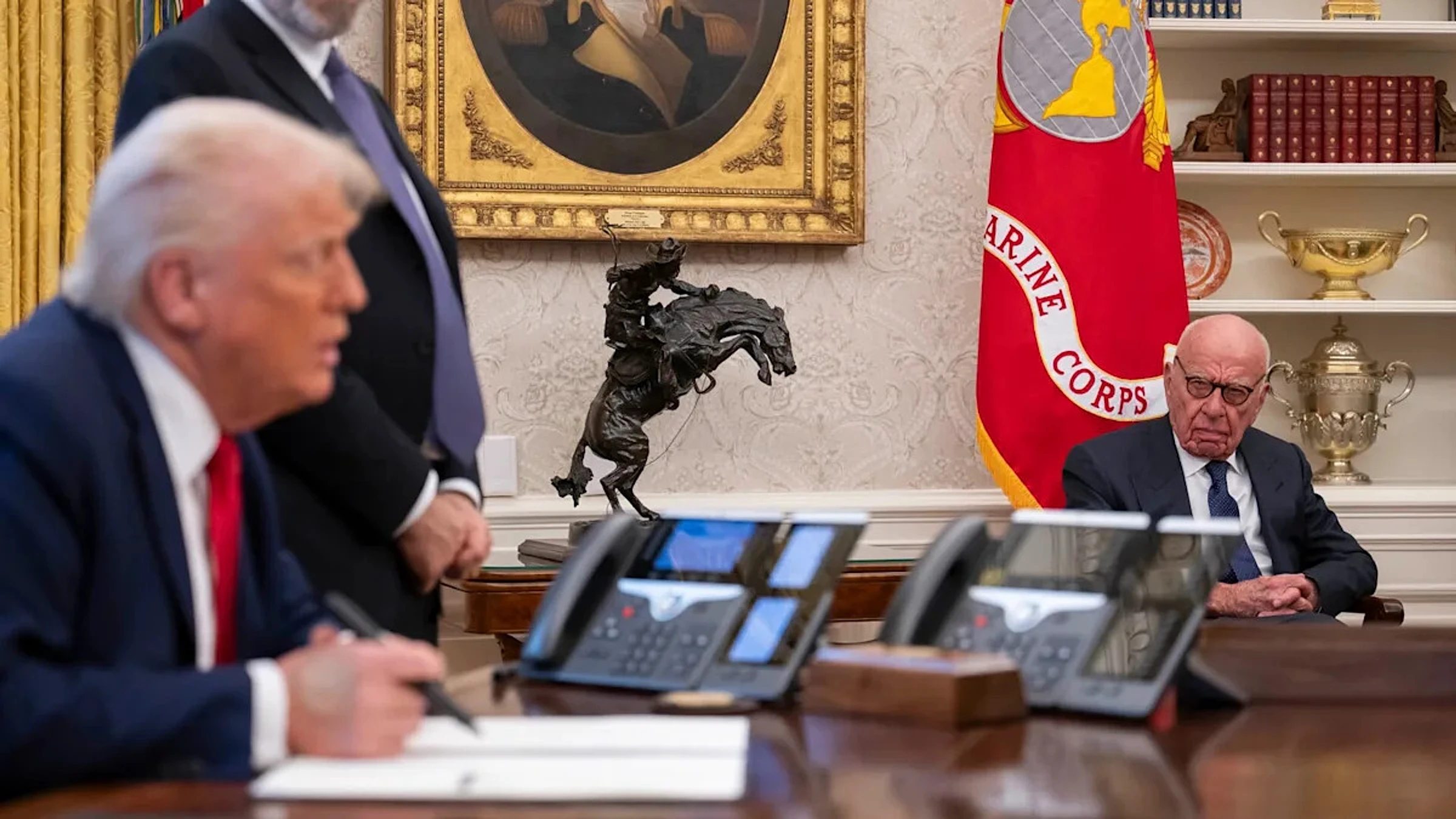
In a move that sounds straight out of a political thriller, media mogul Rupert Murdoch reportedly took his concerns about the future of NFL broadcasting all the way to the White House. According to a recent report from the Wall Street Journal, Murdoch warned President Donald Trump during a February dinner that the NFL's push to sell more games to streaming platforms could ultimately "kill broadcast networks."
It's a high-stakes play in the ever-evolving battle between traditional TV and digital streaming. The NFL has been aggressively expanding its media deals, looking for bigger paydays from tech giants like Amazon and Apple. But for legacy broadcasters like Fox—owned by Murdoch—that shift represents an existential threat. When the lifeblood of your network is live sports, losing those marquee matchups to streaming services isn't just a business challenge; it's a survival issue.
Since that dinner, the NFL has found itself under an unprecedented microscope from multiple branches of the federal government. Congress, the Federal Communications Commission (FCC), and the Department of Justice have all turned up the heat on the league. It's a level of scrutiny that has caught even the most seasoned NFL insiders off guard.
The pressure became so intense that NFL Commissioner Roger Goodell reportedly reached out to White House Chief of Staff Susie Wiles in April to voice his concerns. Wiles, notably the daughter of legendary NFL broadcaster Pat Summerall, heard Goodell's argument that the league's media model is actually the fairest among all major American sports. President Trump has also been in touch with New England Patriots owner Robert Kraft in recent weeks, adding another layer of intrigue to this political-sports saga.
After absorbing this barrage of body blows, the NFL has started pushing back hard. Their front-line defense? A statistic claiming that 87 percent of all games are still televised on broadcast TV. But let's be honest—that number is a bit of a smoke screen.
The reality is that the bulk of weekly games are on CBS and Fox during Sunday afternoons. But when you look at the standalone windows—the prime-time slots that fans really care about—the picture changes dramatically. Sunday Night Football is on NBC, Monday Night Football has increasingly relied on ABC simulcasts, and Thursday Night Football lives exclusively on Prime Video. Meanwhile, other "big" games have already been pulled from free, over-the-air TV: Christmas afternoon games, the Black Friday game, the Week 1 international matchup, and even the Packers-Bears wild-card playoff game were all streaming-only affairs.
For fans who grew up watching the NFL with rabbit ears on their TV sets, this shift feels like watching your favorite team move to a new city. And for the broadcast networks, it's not just about nostalgia—it's about survival. As the NFL continues to chase streaming dollars, the question remains: can broadcast television survive if the biggest show in town moves online?