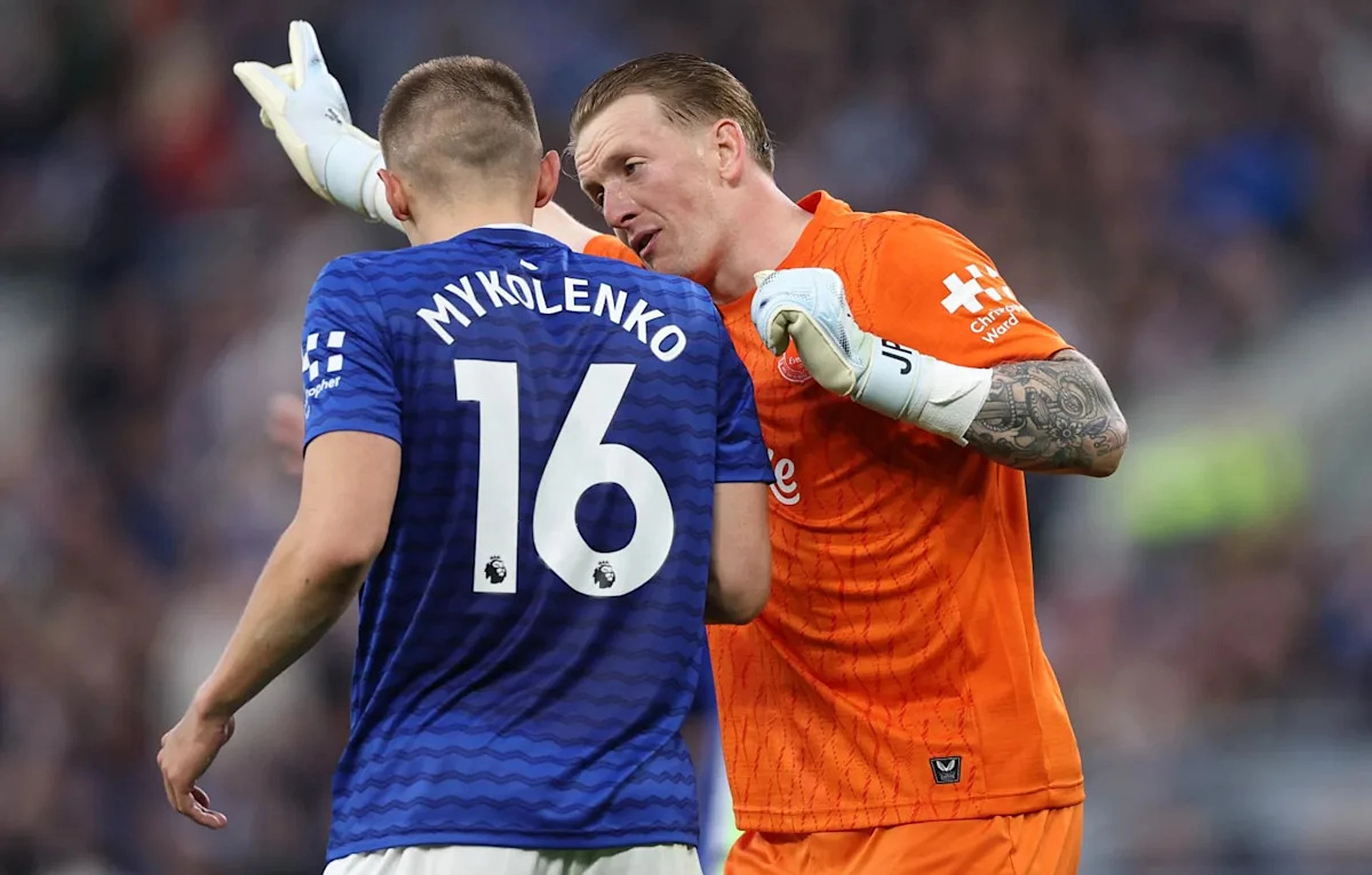
Everton's European dreams are hanging by a thread, and that three-week break in late March and early April is starting to look like the turning point no one wanted. But here's the thing—it didn't have to be this way.
Momentum was on their side after a commanding 3-0 win over Chelsea, but since returning to action on April 12, the Toffees have looked a step behind. Sure, every other club had to deal with the same pause, so there are no excuses. Yet, on Monday against Manchester City, Everton showed flashes of their old fire. They hung tough in the first half and, no exaggeration, deserved to win it in the second.
So why didn't they? Let's break it down. First, defensive lapses. Michael Keane and James Tarkowski were all over the place for Erling Haaland's equalizer—a goal that came just moments after Thierno Barry had put Everton 3-1 up, with City's players still on the ground staring at the sky. That goal didn't just cut the lead; it shifted the mood from celebration to sheer nervousness, which carried into an agonizingly long stoppage time. And we all know how that ended.
But there's more to the story. Bad luck and questionable officiating played their part too. Carlos Alcaraz showed why he's miles away from the composure of a player like Kiernan Dewsbury-Hall, making poor decisions in key moments. Iliman Ndiaye had golden chances but couldn't finish. And then there was the officiating: at 3-2 up, Everton should have had a penalty for a blatant foul on Merlin öhl by Bernardo Silva. The referee and VAR somehow saw it differently.
Perhaps the biggest culprit, though, is something more statistical: regression to the mean. Opta dropped a brutal stat: Everton are the first team in Premier League history to concede a result-altering goal in the 90th minute or later in three straight matches. That's a horrific record, but the data gods have a way of balancing the scales. Over the course of a season, teams over- and under-perform their underlying metrics. Right now, Everton is paying the price for a run that was probably too good to last.