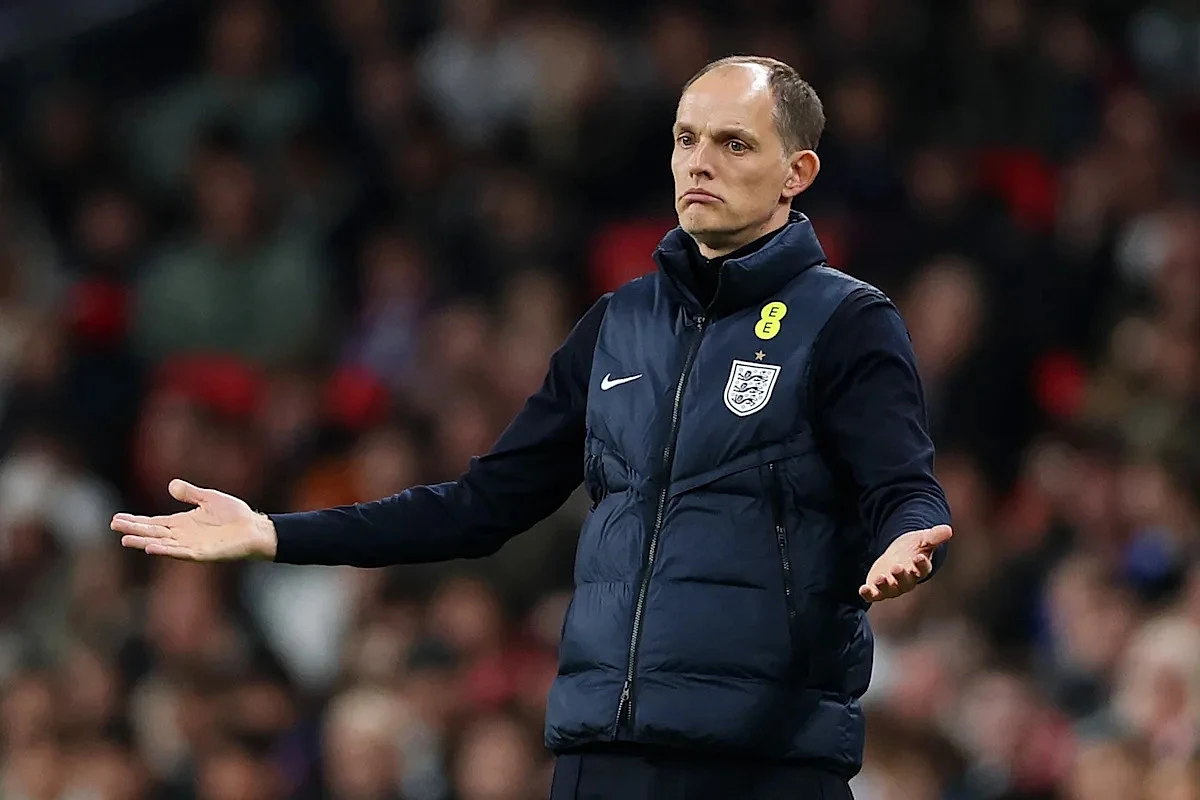
For Trent Alexander-Arnold, Real Madrid's Champions League quarter-final clash with Bayern Munich was more than just a big game—it was a golden opportunity. With England manager Thomas Tuchel watching from the stands, this was the defender's crucial audition for a World Cup squad spot, a chance to silence the doubters and reaffirm his world-class credentials.
Instead, the night at the Santiago Bernabéu unfolded as a microcosm of the ongoing debate surrounding his game: moments of sheer brilliance intertwined with defensive vulnerabilities. Early on, Alexander-Arnold showcased his quality with a perfectly timed, goal-saving tackle against Bayern's dynamic winger, Luis Díaz. It was a reminder of the elite defensive instinct he possesses.
Yet, at the highest level, consistency is king. Later in the match, Díaz got his revenge, beating Alexander-Arnold in a duel that directly contributed to Bayern's opening goal. This wasn't an isolated lapse; a earlier giveaway in a dangerous area had already gone unpunished. For a player under the microscope, these are the moments that get scrutinized.
Of course, his attacking genius remains undeniable. A sublime, defense-splitting assist for Kylian Mbappé's goal highlighted exactly why he is such a unique and valuable weapon. The assist was a flash of the creative magic that makes him one of the most watchable full-backs in the game.
Ultimately, the performance left us with the same compelling, unanswered question that defines his career at the moment: can his extraordinary offensive output consistently outweigh the defensive risks? For Thomas Tuchel, weighing that equation just became his latest and most pressing selection puzzle.