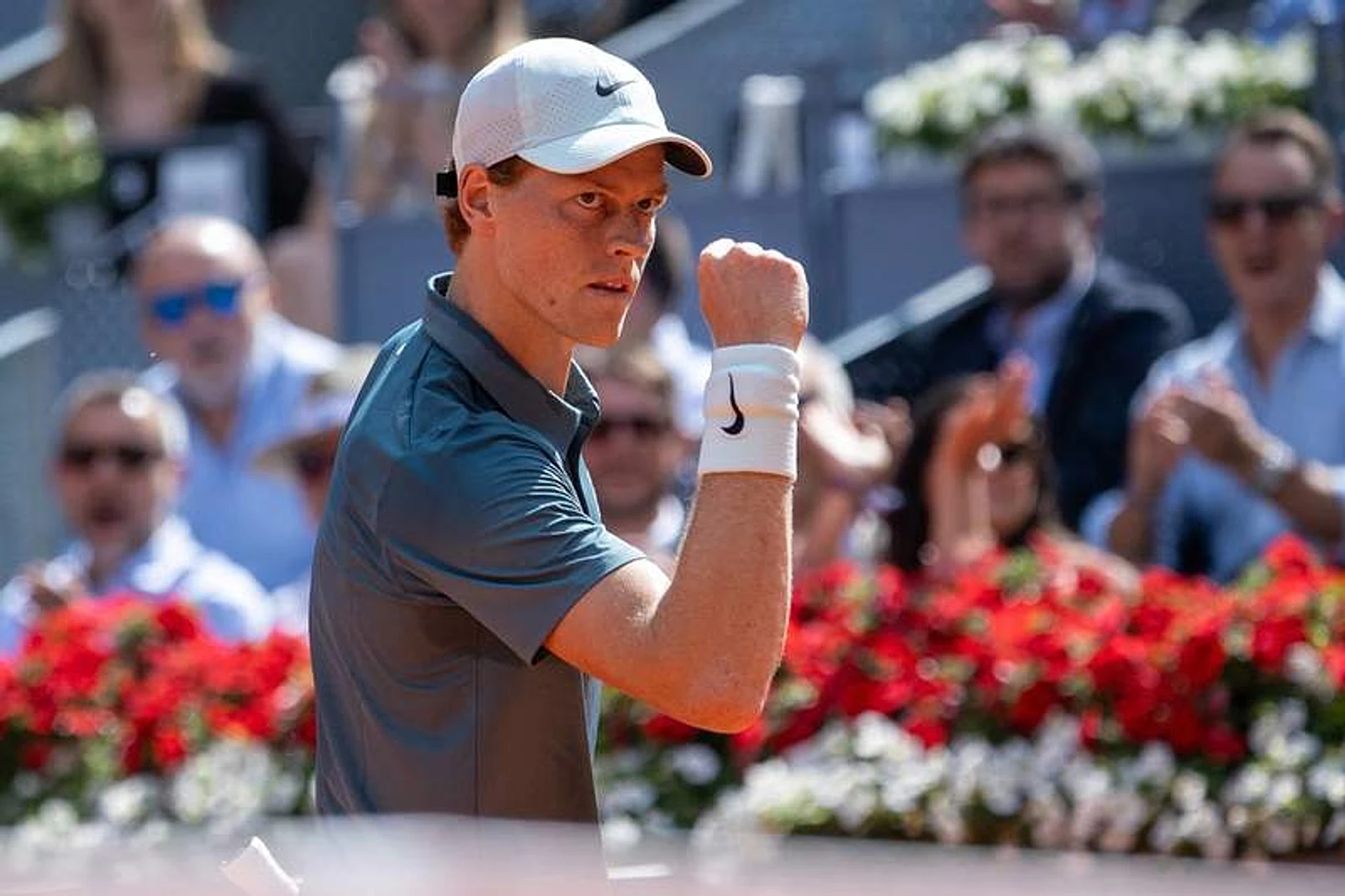
On the Manolo Santana Stadium clay, Jannik Sinner delivered a masterclass in composure, dispatching Arthur Fils 6-2, 6-4 in just 87 minutes. The Frenchman arrived in Madrid riding a nine-match winning streak, fresh off his Barcelona title and armed with new coach Goran Ivanisevic's tactical insights. But Sinner's calm, methodical dismantling made the semifinal feel less like a contest and more like an inevitable procession. The crowd, initially invested in Fils' momentum, watched helplessly as their hopes faded by the second set.
After the match, with the roar of the Caja Mágica still echoing, Sinner faced a question that seemed inevitable: How does he handle the notoriously hostile Madrid crowd? The Spanish capital's partisan atmosphere, amplified by altitude, is one of tennis's most intimidating settings. The question carried a subtle nod to Novak Djokovic, who has spent two decades perfecting the art of crowd management—turning boos into fuel, absorbing hostility and transforming it into competitive fire during the sport's biggest moments. Was Sinner following that same path?
His answer was refreshingly direct. "I think everyone is different. Novak handled it very, very well—of course, I think the best. But for me, I don't have a technique. Honestly, I'm just happy to be part of a match," Sinner said.
That's a world of difference from Djokovic's calculated approach. For the Serbian legend, crowd management is a learned, deliberate skill forged over years in arenas where entire stadiums seemed to will him to lose. But Sinner, at 24, operates with a different psychological makeup. He doesn't see the need to adopt Djokovic's methods. Instead, he offers a generous reinterpretation of crowd noise—not as hostility, but as passion for the sport. For him, the energy in the stands isn't something to conquer; it's something to appreciate.