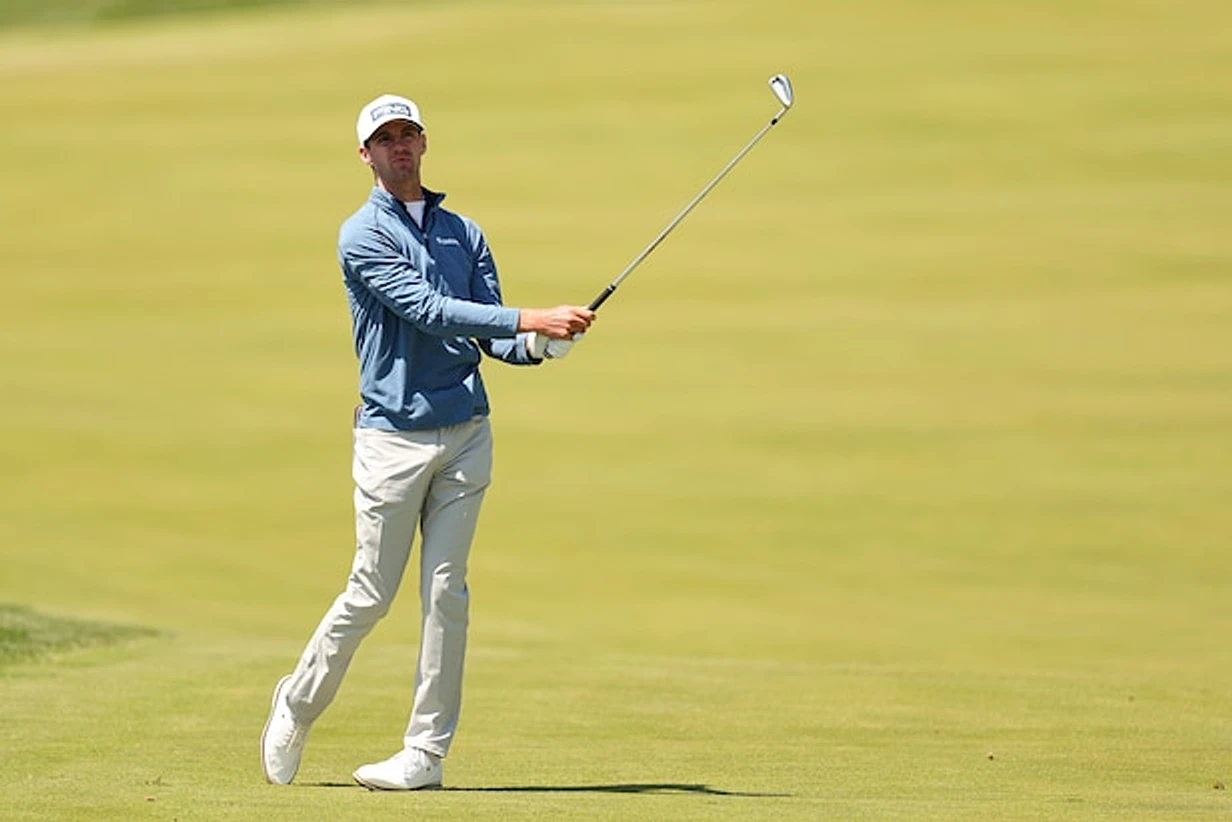
When Alex Smalley stepped onto the PGA Championship stage in 2026, it wasn't a surprise to those who knew him back in college. I should know—I was his teammate at Duke, and I had a front-row seat to the making of a major contender.
Back then, Smalley wasn't just good; he was exceptional. An All-American, a Walker Cup representative for the U.S. in 2019, and the program's all-time leading scorer. Now, with over $10 million in career earnings on the PGA Tour, watching him contend at a major feels like the natural next chapter. But the foundation was laid long before the bright lights.
1. He mastered the short game like no one else
I've never seen anyone practice shots from 50 to 120 yards more than Alex. Every range session started the same: two medium buckets of balls, with the first bucket entirely dedicated to wedge work. He'd spend a full 30 minutes rotating between different pins at Duke's practice facility, never rushing. He'd carefully gauge each flag's distance and go through a full routine for every shot. The result? Unmatched trajectory and distance control. His signature wedge shot—low with a hint of draw spin—was a thing of beauty and a proven distance-control weapon.
2. His wedge play was his safety net
On days when his driver was on fire, those wedge shots set up easy birdie looks. But even when his ball-striking wavered, his short game kept him in the round. When he found trouble off the tee, he'd chip out, then get up and down from 100 yards to save par. That's why I never saw him shoot more than a few over par—his wedge play was a lifeline that never failed.
3. He had a secret weapon off the tee
Beyond his normal driver swing, Smalley had a go-to fairway-finder: a stinger fade. He'd tee the ball extremely low and hit these remarkably low shots—about half the height of his normal drives. This wasn't just a party trick; it was a strategic tool that gave him a reliable option when accuracy mattered most.
4. He was built for the big stage
Smalley's journey from Duke's practice facility to contending in a major championship isn't luck. It's the result of relentless practice, a sharp short game, and a mindset that never panics. For those of us who saw it up close, his success on tour isn't a question of if, but when.
Whether you're a weekend golfer or an aspiring pro, there's a lesson here: the shots you practice from 120 yards and in are the ones that save rounds—and win championships.