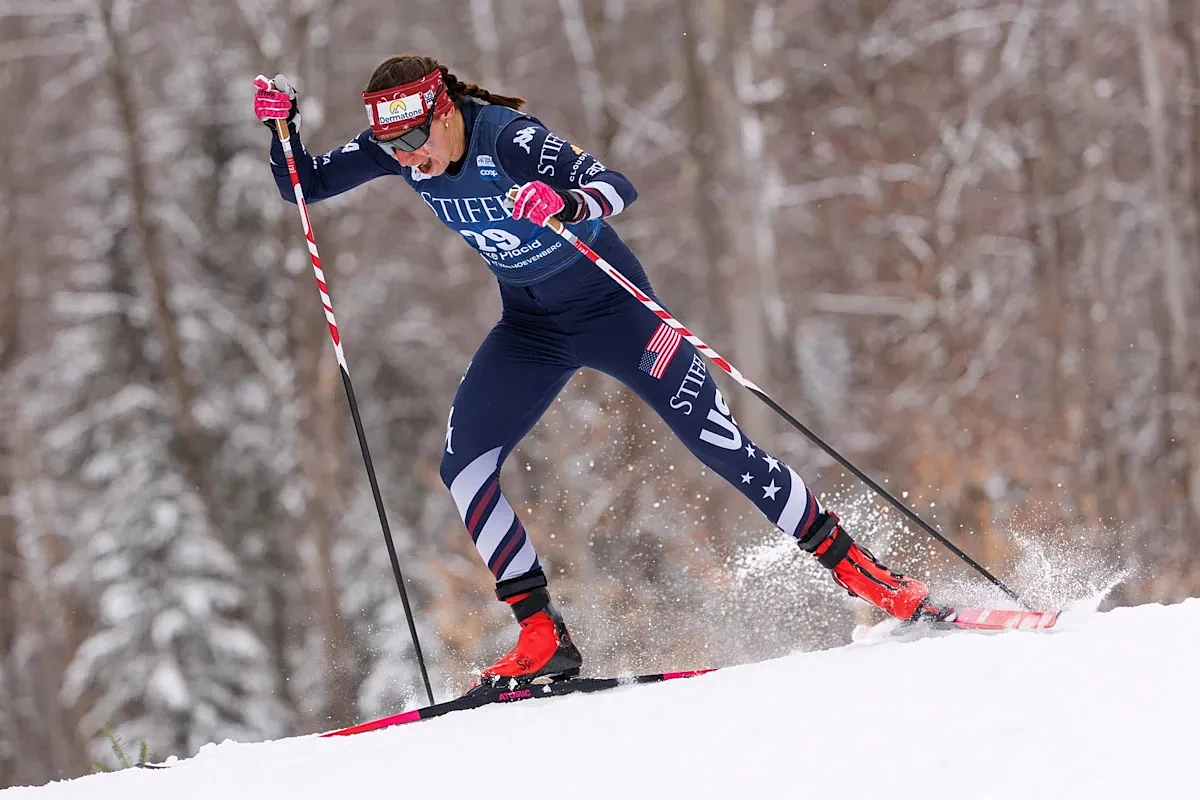
Olympian Julia Kern has spent her life chasing snow—now she's fighting to save it. The cross-country skiing star, fresh off a grueling season of Olympic and World Cup competition, is raising the alarm as warming winters threaten to erase the very foundation of her sport.
"We're skiing in T-shirts some of the time," Kern told Yale Climate Connections, describing the slushy, unpredictable conditions that have become the new normal at elite competitions. "All of my world championships that I've experienced have been really warm, slushy conditions."
For Kern, this isn't just a headline—it's personal. Living and training in Vermont, she's watched snowpack shrink and winters become increasingly erratic. Many cross-country ski areas now depend on artificial snow just to stay open, and midwinter thaws can turn pristine race courses into icy, treacherous terrain before refreezing into dangerous conditions.
The challenges don't stop when the racing season ends. Last year, wildfire smoke from Canada drifted into Vermont, keeping Kern indoors for weeks during crucial offseason training. Poor air quality isn't just an inconvenience—it's a direct threat to the outdoor lifestyle that defines winter sports.
Kern has joined a growing chorus of elite athletes calling on international sports organizations to cut ties with major fuel company sponsors. The message is clear: the same pollution driving extreme weather, warmer winters, and dirtier air is putting winter sports on thin ice.
But there's hope. Reducing pollution and investing in climate solutions could preserve winter recreation, protect clean air for outdoor activity, and support the mountain towns and local businesses that depend on the snow season. For everyday skiers and outdoor enthusiasts, that means healthier communities, safer conditions on the trails, and a fighting chance to keep winter traditions alive for generations to come.
Whether you're chasing Olympic gold or just enjoying a weekend on the trails, the message from Kern is clear: the future of winter sports depends on the choices we make today. And that's something every skier—from the World Cup podium to the local cross-country loop—can get behind.