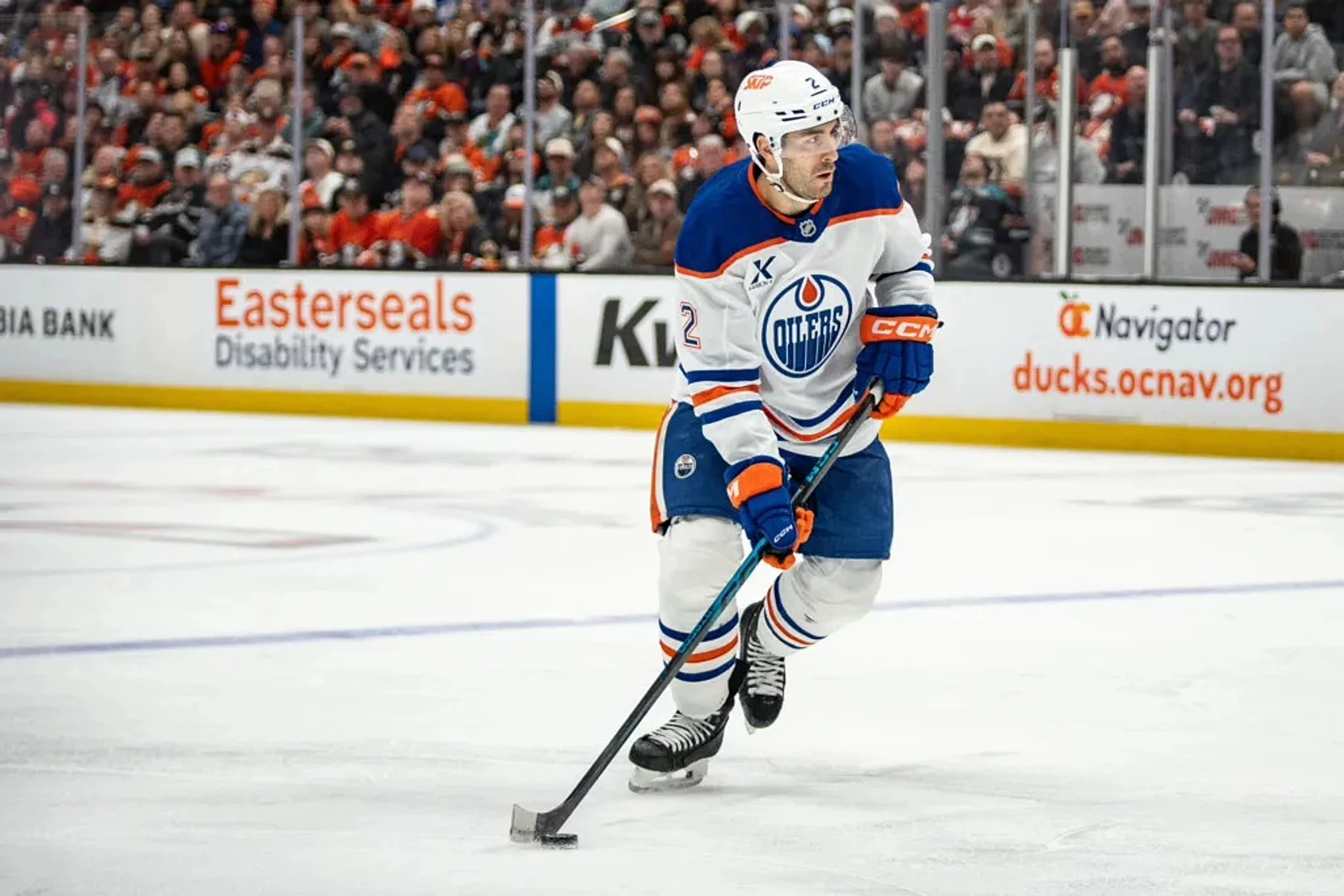
The NHL's announcement of the 2025-26 Norris Trophy finalists has ignited a firestorm of controversy across the hockey world, with fans and analysts alike questioning how several elite defensemen were overlooked for the league's top defensive honor.
On May 7, the league confirmed that Rasmus Dahlin, Cale Makar, and Zach Werenski would be the three finalists for the award, which recognizes the NHL's best defenseman. While each of these players delivered exceptional seasons, the backlash has centered squarely on the omissions of Edmonton Oilers' Evan Bouchard and Montreal Canadiens' rising star Lane Hutson.
"Bouch robbed 😭," one fan posted shortly after the announcement, capturing the sentiment of many who felt the voting process missed the mark.
Another critic took a broader view: "The honour of winning an NHL award is really starting to lose its shine if you ask me. Rather than nominate on merit, it's a popularity contest."
This year's Norris race was unusually deep, making the finalist selection particularly contentious. Bouchard led all NHL defensemen with an impressive 95 points, while Hutson posted 78 points and was a driving force behind Montreal's transition game all season long.
Bouchard's exclusion has drawn the strongest reaction, largely because of his dominant offensive output. The Oilers blueliner finished first among defensemen in points while logging heavy minutes on both the power play and penalty kill—a workload that showcases his all-around value.
Critics have long pointed to Bouchard's defensive play as a weakness, but supporters pushed back hard after the finalists were announced. "To all the 'Bouch doesn't play defence' commenters — it's a tired and old narrative," one fan wrote. "Bouchard was in the 75th percentile of defensive impacts this year. Played a ton of PK."
Another fan added, "No Bouchard, just proves the voters don't watch West games."
The frustration boiled over with one fan claiming, "Rigged, not even a sniff for Edmonton Oilers Dman and NHL point leader for defenceman Evan Bouchard."
That argument carries significant weight. Bouchard wasn't just an offensive specialist this season—he evolved into Edmonton's primary puck-moving defenseman, quarterbacked one of the league's most potent power plays, and silenced many of his critics with improved defensive metrics. For many hockey fans, his absence from the final ballot feels like a glaring oversight in a season where he proved he belongs among the elite.