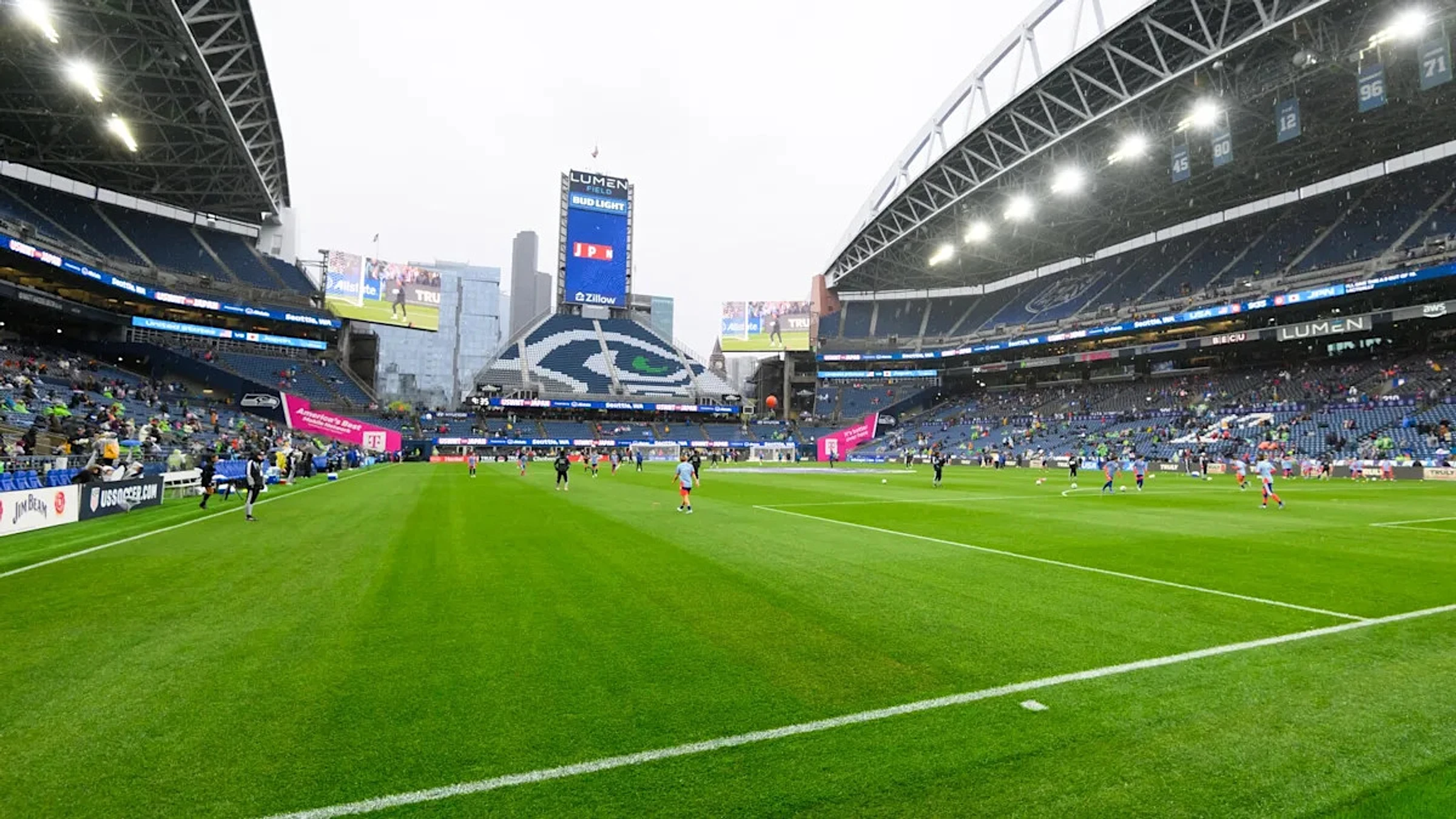
The 2026 FIFA World Cup is fast approaching, and with just one month until kickoff, 11 NFL stadiums are undergoing a major transformation. As soccer takes center stage, these venues—typically home to artificial turf for football—are swapping out their synthetic surfaces for high-quality natural grass to meet FIFA's standards.
The NFL Players Association (NFLPA) recently took to social media to highlight an interesting irony: while the world's top soccer players will soon enjoy pristine grass fields, the very athletes who play in these stadiums week after week during the NFL season are often left with artificial turf. "Work is underway to install fresh grass surfaces for the world's top soccer players," the NFLPA noted, adding that "NFL players have spent years advocating for safer, high-quality grass fields at their place of work."
This isn't just about preference—it's about performance and long-term health. Natural grass absorbs the impact of running, cutting, and tackling, reducing stress on joints and bones. Artificial turf, on the other hand, sends that force right back into a player's body. Anyone who's ever played on turf knows the difference the next morning when getting out of bed becomes a struggle.
The league has maintained that injury rates are similar on both surfaces, but that argument overlooks a key point: players overwhelmingly prefer grass, regardless of the statistics. The reality is that NFL owners installed grass for the World Cup because FIFA demanded it—they had no choice. For NFL games, however, they do have a choice, and many still opt for turf, which is cheaper to maintain and easier to manage for other events.
Now, this has become a collective bargaining issue. To get more grass fields, players will likely need to give up something else at the negotiating table. It's not a universal problem—the Buffalo Bills' new stadium, for example, will feature natural grass. But for most teams, the debate over surface quality continues to be a sticking point between players and ownership.